Skip to content
How Recycled Fabrics Are Transforming the Bag Industry
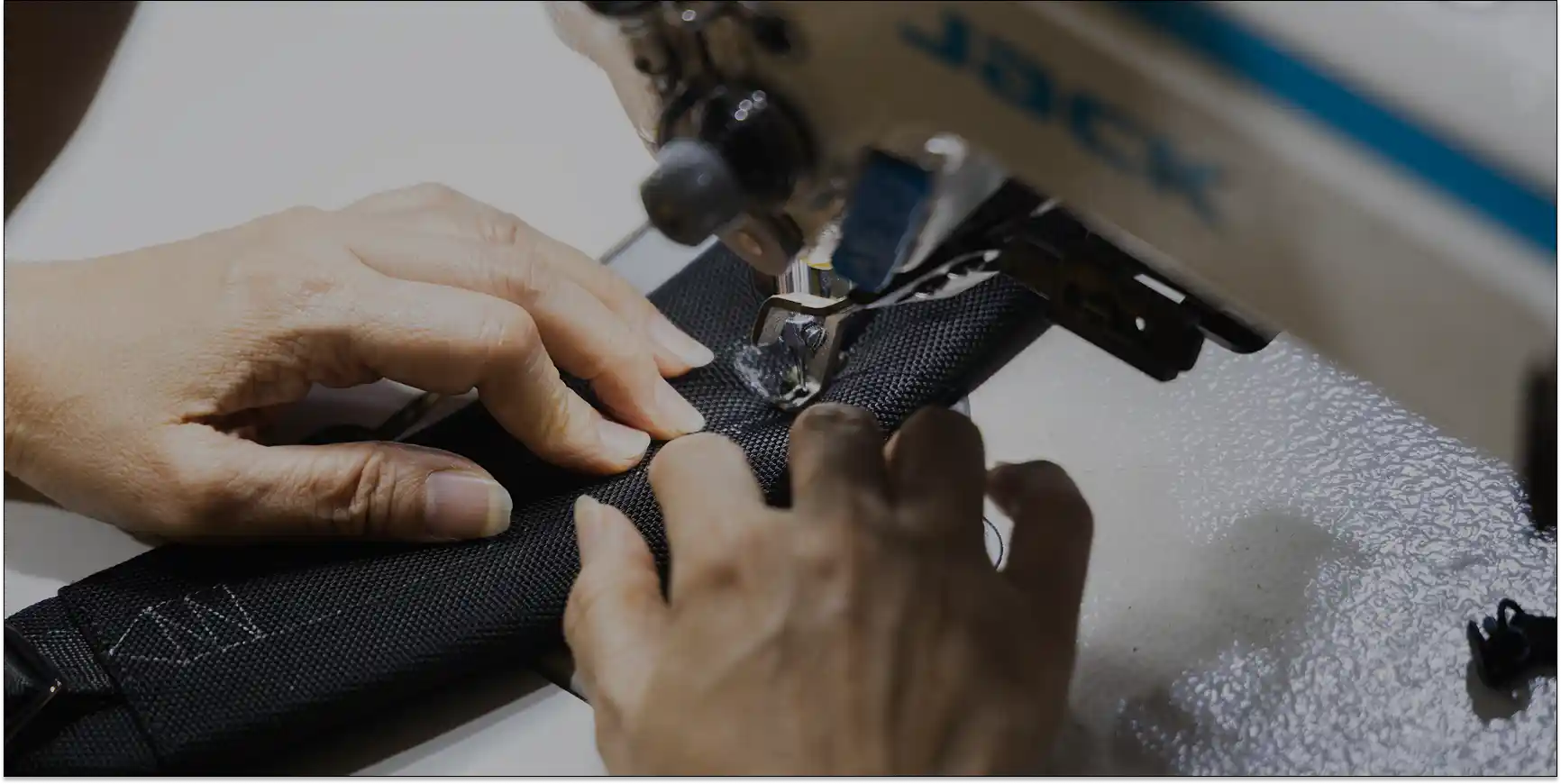
The bag industry, like many others, is undergoing a significant transformation towards sustainability. Consumers are becoming more conscious of the environmental impact of their purchases, and manufacturers are responding by incorporating recycled materials into their products. Among the most exciting developments is the use of recycled fabrics. This shift is not only changing the way bags are produced but also challenging traditional design and manufacturing processes.
The Environmental Impact of Traditional Fabrics
What Are Recycled Fabrics?
Recycled fabrics are materials that are repurposed from waste products—anything from plastic bottles to discarded textiles. The most common recycled fabrics used in bag production include recycled polyester (rPET), recycled nylon, and upcycled fabrics.
Recycled Polyester (rPET): Made from plastic bottles, rPET is one of the most widely used fabrics in the bag industry. It is durable, lightweight, and water-resistant, making it ideal for both fashion and outdoor bags.
Recycled Nylon: Recycled nylon provides similar strength and versatility to its virgin counterpart and is commonly used in backpacks, messenger bags, and laptop sleeves.
Upcycled Fabrics: Upcycling involves sourcing discarded fabrics or textiles that would otherwise be thrown away. These materials are then transformed into new, functional fabrics for bags, helping to give them a second life.
The Advantages of Recycled Fabrics in Bag Production
Reduction in Waste: By using recycled fabrics, manufacturers can significantly reduce the amount of plastic waste that ends up in landfills and oceans. Studies suggest that recycling polyester can reduce CO2 emissions by up to 60% compared to using virgin polyester.
Energy Efficiency: Producing recycled fabrics typically requires less energy than manufacturing new textiles. This not only lowers production costs but also reduces the carbon footprint of the manufacturing process.
Design Flexibility: Recycled fabrics are available in a variety of colors, textures, and finishes, giving designers more creative freedom. In some cases, recycled materials even have unique textures that can add distinctiveness to a bag.
Consumer Demand for Sustainability: As the demand for eco-friendly products continues to rise, many bag brands have started emphasizing their use of recycled materials. This appeals to environmentally conscious consumers who want to make responsible purchasing decisions.
Challenges in Using Recycled Fabrics
Despite their many advantages, recycled fabrics come with certain challenges. One of the primary concerns is ensuring consistent quality. Since recycled fabrics are often sourced from various waste streams, their quality can vary. Manufacturers must carefully test and select materials to ensure they meet durability, performance, and aesthetic standards.
Additionally, the recycling process can sometimes alter the texture and feel of the fabric, making it less desirable for certain types of bags. For instance, a fabric that was once soft and plush may become more rigid after being recycled.
The Future of Recycled Fabrics in the Bag Industry
The future of recycled fabrics in the bag industry looks bright. As recycling technologies continue to improve, manufacturers will be able to produce higher-quality recycled fabrics at a lower cost. This will encourage more companies to adopt sustainable practices, leading to a broader use of recycled materials in the fashion and accessory sectors.
In the coming years, we can expect to see even more innovative designs and bags made entirely from recycled materials. Consumer demand for eco-friendly options will continue to push manufacturers toward greener practices, reducing the environmental impact of the industry.
GFBags, founded in 2001, is a backpack factory that has embraced these sustainable practices by incorporating recycled fabrics into their collection of premium backpacks. By prioritizing environmental responsibility, GFBags ensures that their products are not only stylish and durable but also contribute to a more sustainable future for the bag industry.