Skip to content
Custom Tote Bag Manufacturing Process Explained
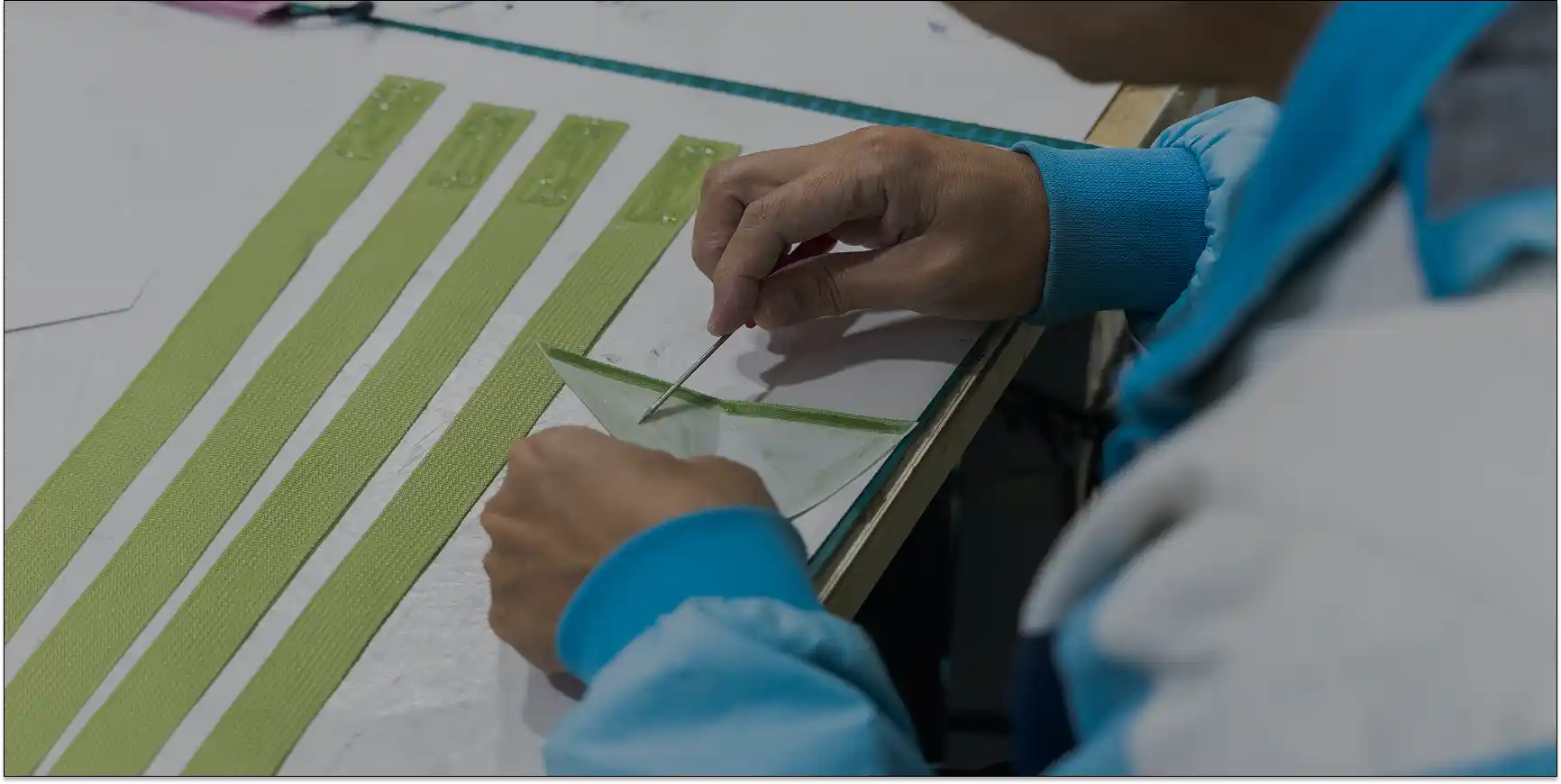
Tote bags are a versatile and stylish accessory that has seen a surge in popularity in recent years. From fashionistas to eco-conscious consumers, people across various demographics use tote bags for different purposes — whether for groceries, a trip to the beach, or a stylish carry-all for daily essentials. Custom tote bags are particularly popular as they provide a canvas for personal expression and branding. But what goes into making a custom tote bag?
In this post, we’ll explore the manufacturing process for custom tote bags, from material selection to the final stitching.
1. Material Selection: The First Step
The foundation of a good custom tote bag lies in the material chosen. Tote bags can be made from various materials, but the most common are:
Cotton Canvas: A durable, eco-friendly material that is easy to print on and holds up well to wear and tear. Cotton canvas tote bags are ideal for customers looking for a sustainable option, as cotton is biodegradable and renewable.
Polyester: A synthetic fabric that is lightweight, water-resistant, and highly durable. Polyester tote bags are easy to clean and tend to have a more polished, sleek look.
Jute and Hemp: For those seeking a natural, eco-friendly option, jute or hemp fibers are a great choice. These materials are strong, biodegradable, and have a rustic, organic feel.
Nylon: A strong, water-resistant material often used for tote bags that need to carry heavier items or withstand rough handling.
Manufacturers choose the material based on factors like durability, style, printing needs, and eco-consciousness. The right material will also affect the overall look, feel, and longevity of the custom tote bag.
2. Design and Customization
Once the material has been selected, the next step in the process is to create the design. Custom tote bags are a blank canvas for brands, artists, and consumers to showcase their creativity.
Logo and Branding: Many businesses order custom tote bags to use as promotional items or to offer as branded merchandise. The logo, tagline, or branding message is often printed or embroidered on the bag. This step may involve digital printing, screen printing, or embroidery techniques.
Artistic Customization: For individual customers or fashion brands, custom artwork, patterns, or slogans can be added. This can be done through heat transfer printing, direct-to-garment (DTG) printing, or screen printing, depending on the design complexity and desired durability of the print.
The printing process is highly dependent on the material of the tote bag. For example, cotton canvas bags are ideal for screen printing, while nylon or polyester might require heat press transfer techniques.
3. Cutting and Sewing
After the design is finalized, the material is cut into the desired shape and size. For most tote bags, this involves cutting the fabric into panels that will be stitched together to form the body of the bag. The most common construction method for tote bags is a simple rectangular or square design, but manufacturers can create different shapes or add gussets to the sides for added depth.
Sewing is a critical step in the manufacturing process. Tote bags typically feature reinforced stitching to ensure durability. The handles are often reinforced to withstand the weight of the bag’s contents. The construction process includes:
Double-stitched seams to reinforce stress points.
Reinforced handles made from sturdy fabric or webbing.
Gussets to add extra space and allow the bag to hold more.
4. Finishing Touches and Quality Control
After the bag is sewn, it’s time for finishing touches. This can include:
Adding Zippers or Closures: Some custom tote bags include zippers, magnetic snaps, or Velcro closures to keep contents secure.
Lining: For added durability and style, some totes feature a lining inside. Linings are often made from polyester or cotton and can provide a more polished look while improving the bag’s structure.
Quality control is essential at this stage. The bags undergo inspection to check for any sewing defects, design flaws, or material imperfections. Testing for functionality, durability, and usability is also crucial. Manufacturers ensure that the final product meets both the design specifications and quality standards before moving to the packaging phase.
5. Packaging and Distribution
Once the tote bags are sewn, finished, and quality-checked, they are folded, packed, and prepared for distribution. Depending on the customer’s needs, tote bags may be shipped to stores, businesses, or directly to consumers.
At GFBags, founded in 2001, attention to detail in every step of the manufacturing process ensures that each custom tote bag is crafted to meet the highest standards. From material selection to the final packaging, their dedication to quality and customer satisfaction remains a core value.
Conclusion
The manufacturing process of custom tote bags involves several stages, from material selection to final distribution. Customization, durability, and design elements all play an important role in the process. As consumer demand for unique and personalized products continues to rise, the ability to create high-quality, custom tote bags has become an essential service for businesses and individuals alike.