 Skip to content

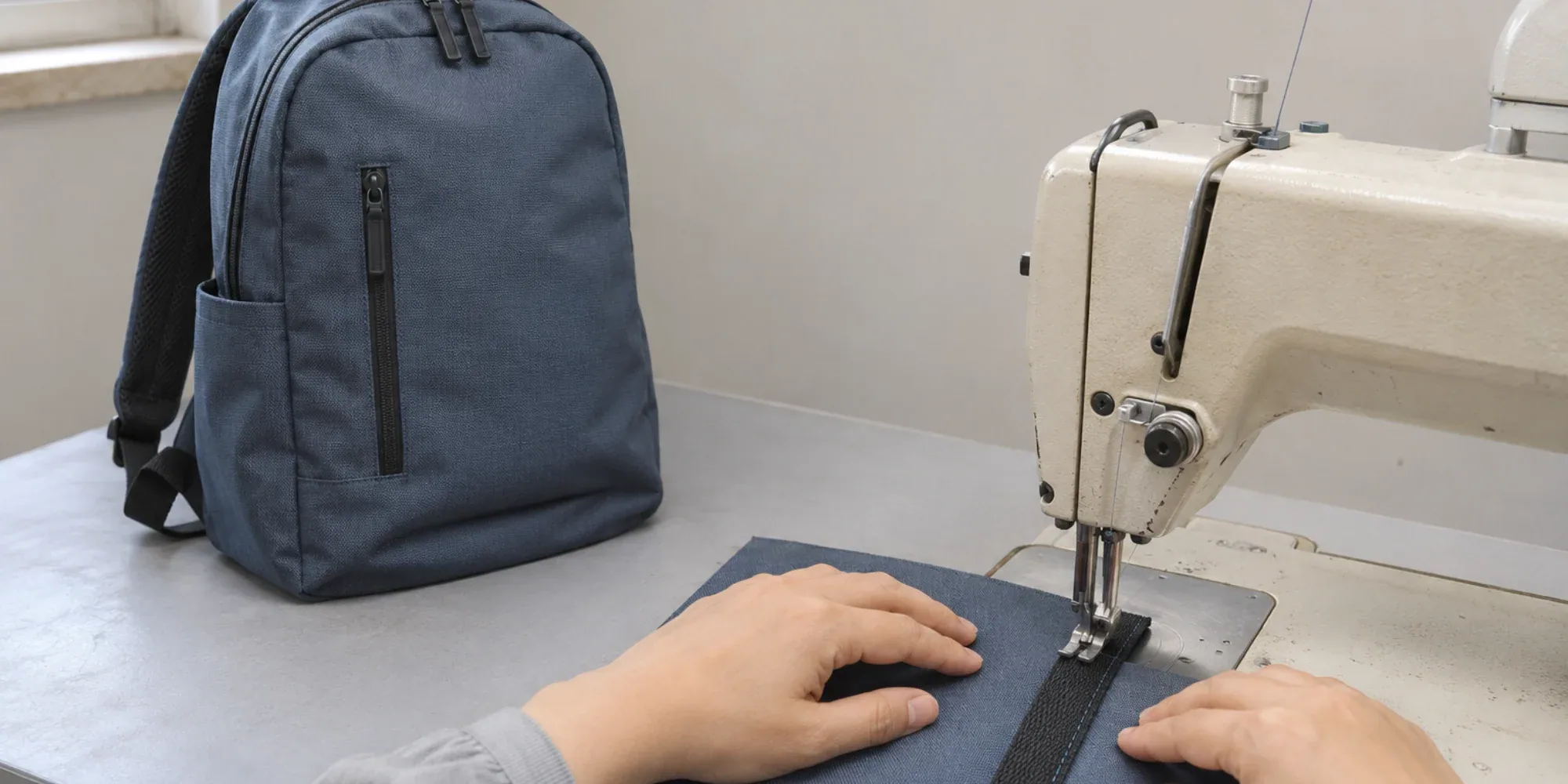
Implementing custom commuting backpack production requires defining specific daily-carry requirements (such as laptop protection and quick-access compartments) in a detailed tech pack, selecting durable and optionally certified sustainable materials, and working through iterative sampling with a manufacturer to verify structural integrity and weight distribution before committing to mass production quality controls.
Defining the Commuter-Specific Design Brief
Designing a custom commuter backpack begins with a highly specific design brief that separates the product from other bag categories. For sourcing managers and product developers, the first step is recognizing that commuter bags possess a distinct structural architecture. While outdoor backpacks prioritize high-capacity load bearing and tactical bags focus on external modularity, commuter designs must deliberately balance tech protection, rapid accessibility in transit, and professional aesthetics. The technical specification package, commonly known as a tech pack, must explicitly outline these priorities to guide the manufacturing partner effectively and prevent the accidental inclusion of unnecessary, bulky features.
A successful commuter backpack requires a streamlined exterior silhouette. Unlike hiking backpacks that utilize prominent hydration pockets, complex harness systems, or external compression straps to manage variable loads, a commuter bag operates in tight, crowded environments like subway cars and buses. The tech pack should specify clean lines and enclosed seams to prevent the bag from snagging on turnstiles or brushing against other passengers. The weight distribution model also shifts fundamentally. Instead of centering a large, amorphous load on the hips with a padded belt, a daily carry bag must secure dense, flat items directly against the mid-to-lower back panel. This lowers the center of gravity and maximizes stability during short, active movements. Consequently, shoulder straps should favor dual-density foam that provides comfortable support without the extreme thickness of a heavy-duty hiking harness.
Protecting electronics is the defining functional requirement of a commuting backpack. When detailing the device compartments, product developers must specify the exact dimensions of the target hardware, typically ranging from standard 13-inch to 16-inch laptops, alongside secondary sleeves for tablets. The choice of protective material is equally important. Rather than relying on simple, thick sponge foam that can compress over time and add unnecessary bulk, developers should specify high-density padding such as EVA (ethylene-vinyl acetate) foam. This provides superior impact resistance while maintaining the bag's slim profile. Weather resistance is another critical protective factor, necessitating specifications for coated exterior fabrics and weather-resistant closures, such as PU-coated reverse coil zippers, to shield sensitive electronics from unpredictable rain during the daily commute.
Commuters interact with their bags frequently while in motion. The design brief must incorporate rapid-access zones that allow users to retrieve transit passes, keys, or mobile phones without fully removing the backpack. Implementing a side-entry pocket or a discreet, fleece-lined top pocket achieves this functionality seamlessly. Internal organization must also pivot away from the large, open cavities favored in outdoor gear. The interior layout should feature segmented compartments tailored specifically for tech accessories, charging cables, and power banks. To improve usability, specifying a light-colored interior lining is highly recommended; a high-contrast interior significantly improves the user's ability to visually locate small items quickly in dim lighting.
Finally, a commuter backpack must visually integrate into professional environments. The design is expected to transition seamlessly from public transit to a corporate office or a client meeting. This requirement heavily influences material choices and hardware selection in the tech pack. Developers often move away from the high-gloss, crinkly ripstop nylons of activewear or the heavy, webbing-covered canvas of tactical gear. Instead, matte-finish fabrics, structured synthetic leathers, or tightly woven ballistic nylons are preferred for their refined appearance and durability. External hardware should be understated, utilizing matte black or brushed metal finishes rather than brightly colored plastic buckles. By rigorously defining these architectural, functional, and aesthetic requirements in the initial design brief, brands establish a clear baseline for the sampling and manufacturing phases.
Material Selection and Sustainability Verifications
Material selection for a commuter backpack dictates not only its lifespan but also its structural integrity and aesthetic appeal in professional environments. Unlike outdoor bags that prioritize ultralight weight above all else, daily commute bags must withstand continuous friction against clothing, exposure to unpredictable weather, and frequent placement on abrasive surfaces like subway floors. Sourcing managers must evaluate textiles based on denier count, coating types, and weave structures. A tightly woven nylon or polyester in the 400D to 800D range often provides an optimal balance, offering sufficient abrasion resistance without adding excessive bulk.
Protecting the internal contents, particularly electronics, relies heavily on the fabric exterior and interior coatings. While a durable water repellent finish causes water to bead and roll off the exterior, an internal polyurethane coating is necessary to prevent moisture from seeping through the weave during sustained exposure. Sourcing teams must clearly specify these coating requirements in the tech pack. For professional environments, matte finishes are typically preferred over glossy ones, as they resist showing scuffs and align better with corporate aesthetics.
Beyond the primary textile, hardware and padding selections are critical to the backpack functionality. Commuters interact with zippers, buckles, and adjusters multiple times a day. Specifying branded, reverse-coil zippers often helps keep the exterior sleek while adding a layer of weather resistance. For padding, the shoulder straps and back panel should utilize high-density ethylene-vinyl acetate foam. This material resists compression over time, ensuring the bag maintains its shape and load-bearing comfort even after months of heavy use.
Integrating sustainable materials into a backpack requires more than just requesting recycled polyester from a supplier. If a brand intends to market the product using recycled content claims, those materials must be backed by authoritative third-party certifications to avoid accusations of greenwashing. Sourcing verified recycled textiles ensures that the environmental claims are legitimate and traceable throughout the supply chain.
One of the established ways to substantiate these claims is through comprehensive assessments by recognized bodies. Since launching its initial program in 1989, SCS Global Services has maintained its position as a leading authority for verifying recycled content. Companies depend on these rigorous assessments to deliver transparent and reliable certification to the market. Furthermore, an SCS Recycled Content Certification Private Label option allows customers of certified manufacturers to rebrand approved products under their own company name, providing a documented chain of custody that confidently supports consumer-facing sustainability marketing. Recycled Content Certification | ISO 14021 & SCS‑103 | SCS
Working with a capable manufacturing partner is essential when navigating these material choices and certification requirements. Establishing clear communication regarding material specifications, acceptable tolerances, and certification documentation prevents costly delays during the prototyping phase. For company-specific information, see GFBags.
| Component | Recommended Material | Key Function | Common Specification |
|---|---|---|---|
| Primary Exterior Fabric | High-tenacity Nylon or Recycled Polyester | Abrasion resistance and structure | 400D to 800D with polyurethane backing |
| Zippers | Reverse Coil Zippers | Weather resistance and sleek aesthetics | Size 5 for pockets, Size 8 for main compartment |
| Padding | Ethylene-vinyl acetate Foam | Comfort and impact absorption | 8mm to 12mm thickness for shoulder straps |
| Internal Lining | Light-colored Polyester | Visibility and internal organization | 150D to 210D ripstop |
Foam selection extends beyond the shoulder straps. The base of the backpack requires rigid structuring to allow the bag to stand upright on its own, a highly desirable feature for office environments. A combination of a rigid polyethylene board and dense foam at the bottom panel provides this stability and protects the general contents from impact when the bag is placed on the floor, while the suspended interior sleeve is what ultimately protects the laptop from ground strikes. Developers must calculate the thickness of these structural base components carefully. Excessive thickness causes the bag to lose internal volume, while insufficient rigidity causes the bag to slouch and look unprofessional over time.
Ultimately, every material decision in a custom commuter backpack must balance durability, aesthetics, and verifiable sustainability. Developers must establish the precise requirements for the primary shell fabric, the density of the protective foams, and the origin of any recycled materials early in the planning process. Documenting these choices thoroughly ensures that the subsequent prototyping and sampling phases accurately reflect the intended final product, allowing sourcing teams to assess the physical performance of the chosen materials before committing to full-scale mass manufacturing.
Structuring Customization for B2B and Corporate Applications
Transitioning a commuter backpack design into a corporate gift or B2B product requires a deliberate balance between the functional needs of daily transit and the organizational branding requirements of the client. Adopting a customer-centric approach to customization is a recognized strategy in bag manufacturing when executing B2B sales strategies for corporate gifts. While the corporate buyer primarily prioritizes organizational branding and a cohesive team identity, product developers and sourcing managers must simultaneously focus on the practical commuting experience. By ensuring the bag remains highly functional for daily tech carry and transit navigation, brands create custom products that employees actively want to use on their daily routes. When a backpack solves real commute problems, it maximizes the return on the corporate investment. Strategies for Effective B2B Sales in the Corporate Gifts Industry: Best Practices and Success Tactics in the w.r.t Bag Manufacturing in Ahmedabad City | International Journal of Business and Management Practices (IJBMP)
The primary challenge in corporate customization is maintaining the professional aesthetics necessary for a commuting environment. While standard promotional bags often feature oversized, high-contrast logos printed directly on the front panel, premium commuter backpacks must utilize more subtle branding techniques. To preserve a clean, sophisticated silhouette that transitions smoothly from a crowded subway to corporate offices or client meetings, developers should guide B2B clients toward understated applications. Tonal embroidery, debossed synthetic leather patches, and small woven labels sewn discreetly into the side gussets are excellent alternatives. These refined methods fulfill the client visibility goals without making the wearer feel like a walking billboard. A well-executed tonal logo blends into the fabric, providing brand recognition upon close inspection without dominating the design.
Customization for corporate applications extends well beyond exterior logos. When B2B clients require a distinct brand identity but want to maintain a sterile, unbranded exterior, interior customization becomes a highly effective solution. Product developers can specify a custom-printed interior lining that features a repeating corporate motif or utilize the company's exact Pantone colors for internal organizational zippers, trims, and mesh pockets. This approach preserves the high-contrast functionality needed for users to locate tech accessories quickly in low light, provided that the corporate colors are naturally bright. If the client brand utilizes dark colors like navy or charcoal, developers should instead specify those hues as minor accents against a light gray base lining to maintain interior visibility. These internal details must be explicitly documented in the tech pack.
Corporate clients often employ diverse workforces with varying transit habits, meaning a single B2B order must accommodate everyone from cyclists to train commuters. A successful corporate customization strategy involves selecting an established baseline commuter model and adding subtle functional features that appeal to this broad user base. Practical adjustments might include adding a luggage pass-through sleeve for business travel, a discreet side pocket for water bottles, or an upgraded padded top handle for quick grabs. When evaluating how to apply these specific client requests to a baseline design, product developers must determine which structural modifications are feasible without entirely re-engineering the internal load distribution. For company-specific information, see GFBags.
Finally, B2B sales strategies must account for the practical realities and limitations of custom production runs. Corporate gifting orders are frequently tied to strict event deadlines, holiday schedules, or employee onboarding cycles. Product developers must carefully align the complexity of the requested customization with Minimum Order Quantities and sampling lead times. Adding custom-dyed exterior fabrics to perfectly match a corporate brand color will significantly increase both the minimum order requirement and the overall production timeline compared to applying a custom logo patch to a stock black or navy ballistic nylon. Sourcing teams should establish these material tradeoffs and timeline constraints early to ensure reliable delivery, setting realistic expectations for corporate clients regarding their deadlines.
The Prototyping and Iterative Sampling Process
Translating a commuter backpack design from a two-dimensional tech pack into a physical product requires a structured prototyping phase. For sourcing managers and product developers, the first physical sample is a critical diagnostic tool. While a tech pack meticulously outlines dimensions, material selections, and pocket placements, it cannot simulate how a loaded bag behaves in motion. A commuter bag must remain stable while the user navigates crowded subway cars, walks briskly on pavement, or cycles to an office. The prototyping process allows development teams to evaluate whether the theoretical load distribution effectively secures dense, flat items like laptops and documents against the back panel without shifting.
The initial prototype often prioritizes structural integrity and spatial geometry over final material finishes or perfect color matching. During this stage, evaluators should load the backpack with the exact items specified in the original design brief. This includes specific laptop models, tablets, power banks, and typical daily carry items. Testing the loaded sample reveals whether the selected ethylene-vinyl acetate foam provides adequate support and whether the rigid bottom panel successfully prevents the bag from slouching. If the bag pulls away from the shoulders or creates a low center of gravity that causes fatigue, developers must instruct the manufacturing partner to adjust the shoulder strap attachment angles or modify the back panel patterning.
Beyond load distribution, the iterative sampling process is essential for verifying the functionality of commuter-specific features. Developers must physically test the accessibility zones. A side-entry transit pocket that looks perfectly placed on paper might prove difficult to reach when the bag is fully loaded and worn over a winter coat. Evaluators should simulate the daily commute by attempting to retrieve keys, transit passes, or a mobile phone with one hand without fully removing the backpack. Additionally, this is the stage to confirm that the suspended laptop sleeve maintains its protective gap under the weight of a heavy device, ensuring the computer does not strike the ground when the bag is set down sharply.
Effective communication during this iterative loop dictates the speed and success of the development cycle. Sourcing managers must provide manufacturers with precise, actionable feedback rather than subjective complaints. Instead of stating that a strap feels uncomfortable, a developer should request a specific adjustment, such as increasing the strap spacing at the yoke by a measured distance or altering the foam thickness. Supplying the manufacturer with photographs or videos of the loaded prototype being worn by users of different heights helps the factory pattern makers understand the exact biomechanical issue and implement accurate corrections in the subsequent sample.
The sampling phase continues until the manufacturer produces a pre-production sample that meets all structural, functional, and aesthetic requirements. This final sample locks in the exact materials, verified sustainable fabrics, and subtle corporate branding techniques finalized in earlier development stages. Once the sourcing team formally approves this pre-production prototype, it becomes the ultimate reference standard for the entire manufacturing run. A rigorously tested and approved physical sample is the only reliable way to ensure that the mass-produced commuter backpacks will function exactly as intended when they reach the end users, paving the way for the establishment of strict quality control tolerances.
Scaling to Production and Managing Quality Control
Moving from the approved pre-production sample to full-scale manufacturing is a critical juncture in the development of a custom commuter backpack. The final physical sample from the iterative prototyping phase now serves as the master reference standard. Sourcing managers must ensure that the manufacturing partner understands this sample represents the absolute baseline for mass production. Because scaling up introduces variability, the primary objective of this phase is establishing strict oversight mechanisms to mitigate deviations from the approved tech pack.
Before production begins, product developers must carefully navigate Minimum Order Quantities. For custom commuter backpacks, volume requirements are often dictated by specialized material sourcing rather than factory sewing capacity. Ordering a standard black ballistic nylon requires a lower minimum than requesting a custom-dyed 800D exterior fabric or a specific polyurethane-coated reverse coil zipper. Sourcing teams should align initial batch sizes with these constraints. If the required minimum for a custom-colored textile exceeds the production budget, developers might need to pivot to stock fabric colors while utilizing bespoke interior linings or tonal embroidery to achieve the desired corporate branding within a manageable order volume.
Soft goods manufacturing inherently involves slight physical variations due to the nature of cutting and sewing flexible fabrics. Therefore, establishing clear, measurable defect tolerances is essential before the first production run. Product developers must define acceptable structural variances directly in the manufacturing agreement. For a commuter backpack, this means stipulating the precise stitch density, usually measured in stitches per inch, the acceptable deviation in seam straightness, and the exact dimensions of the tech compartments. Because the primary function of a daily carry bag is protecting electronics, the tolerance for internal padding and physical clearances must be particularly strict.
Relying solely on final inspections at the end of the production line is a risky strategy. By the time a finished batch is reviewed, structural errors are often too costly or impossible to rework without damaging the primary materials. Implementing inline quality control checks prevents these systemic issues. Sourcing managers should require manufacturers to conduct material inspections before cutting begins, ensuring chosen fabrics are free from weaving flaws or moisture-barrier inconsistencies. During sewing, inspectors must evaluate critical sub-assemblies. The integration of high-density ethylene-vinyl acetate foam into the shoulder straps, for example, must be verified before those straps are permanently sewn into the main backpack chassis.
- Verification of bar tack stitching at high-stress points like the shoulder strap yoke and the padded top carry handle.
- Inspection of zipper cornering to ensure weather-resistant closures glide smoothly without catching the internal ripstop lining.
- Measurement of the internal padded compartments against specified laptop and tablet dimensions to ensure devices slide in easily.
- Assessment of the rigid bottom panel insertion to guarantee the bag stands upright independently without slouching.
Once the backpacks pass inline checks and reach final assembly, a comprehensive final inspection determines batch acceptance. This involves a visual check for loose threads, scuffs on matte-finish hardware, and the alignment of corporate branding. For commuting backpacks designed for professional environments, aesthetics are as important as function; a structurally sound bag with a noticeably misaligned woven label will likely be rejected by corporate B2B clients. Finally, the packaging protocol requires careful oversight. Soft bags can be crushed during shipping if packed improperly, permanently creasing the structured foams or rigid polyethylene base panels. Sourcing teams must specify that backpacks with rigid internal boards and structured foams must be shipped fully stuffed or uncompressed in appropriately sized boxes to prevent permanent damage. Proper packing ensures they arrive at the distribution center maintaining their clean, architectural silhouette.