Skip to content
Quality Control Standards in Backpack Production
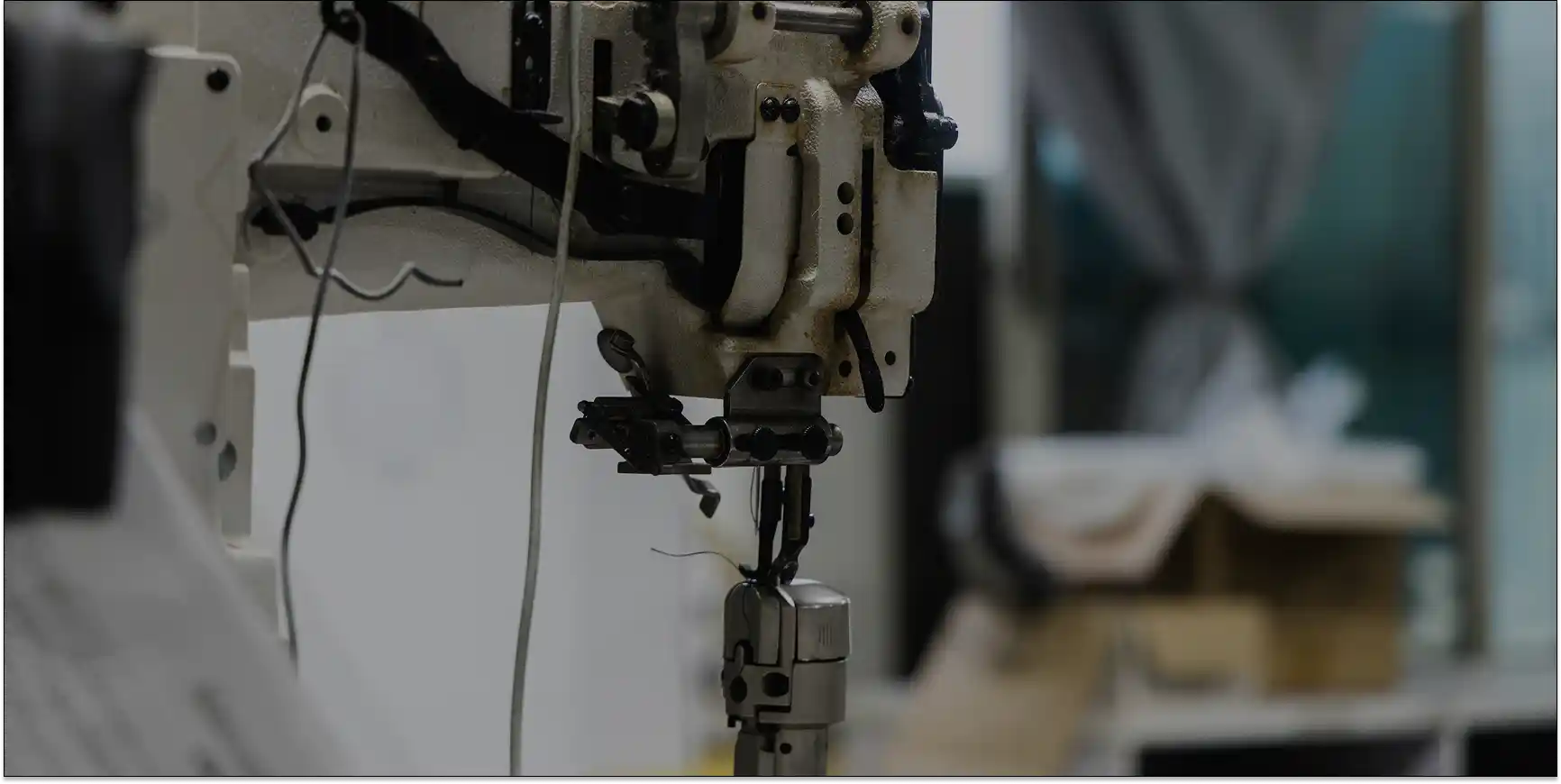
The production of a high-quality backpack is a complex process that involves multiple stages, from initial design to final assembly. To ensure each backpack meets the highest standards of quality, rigorous quality control (QC) processes must be in place. QC is a critical part of the production cycle, helping manufacturers produce bags that are durable, functional, and visually appealing.
1. The Importance of Quality Control
Quality control ensures that each backpack produced is safe, functional, and meets the desired standards. This process not only verifies that materials and components are up to par, but it also ensures that the final product is free of defects and ready for consumer use.
\Without a robust QC system, manufacturers risk producing faulty products that may fail during regular use, resulting in returns, customer dissatisfaction, and potential damage to the brand’s reputation.
2. Pre-Production Quality Control
Before production even begins, it’s crucial to establish clear quality standards. Raw materials are tested for various factors such as durability, color consistency, and water resistance. Prototypes are created and thoroughly tested to ensure the design is both functional and aesthetically pleasing.
Prototype Testing: A prototype is created to evaluate the bag’s functionality, comfort, and design. Any necessary adjustments are made before moving forward with mass production.
Material Testing: Fabrics, zippers, and other components are tested to ensure they meet durability and performance requirements. For example, fabrics might undergo tests for abrasion resistance or colorfastness.
3. In-Production Quality Control
During production, quality control inspectors monitor each stage of manufacturing to ensure that the backpack is built to last. Key areas of focus include:
Sewing and Stitching: Inspectors ensure that stitching is even, secure, and free from defects. Double stitching is commonly used in areas subject to heavy stress, such as straps and zippers.
Component Inspection: Zippers, buckles, and straps are tested to ensure smooth operation and high quality.
Assembly: The final assembly is carefully checked for symmetry, alignment, and overall construction quality.
4. Post-Production Quality Control
Once the backpacks are assembled, they undergo a final inspection to ensure that they meet all quality standards. Any bags that fail to meet the criteria are removed from the production line.
Final Inspection: The bags are examined for stitching defects, fabric quality, and functionality of components.
Durability Testing: Some manufacturers will simulate real-life usage through stress tests to ensure the bag can handle heavy loads or exposure to water.
5. Ongoing Quality Assurance
After production, quality assurance doesn’t end. Many premium manufacturers continuously collect feedback from customers to identify any potential issues with their products. This feedback helps improve future production runs and ensures that the backpacks maintain their high standards.
GFBags, founded in 2001, is an example of a company that consistently implements strict quality control throughout its production process. This commitment to excellence ensures that each backpack is durable, functional, and crafted to meet the highest quality standards.