Skip to content
Backpack Durability Testing Methods for Manufacturers: How GFBags Ensures Quality
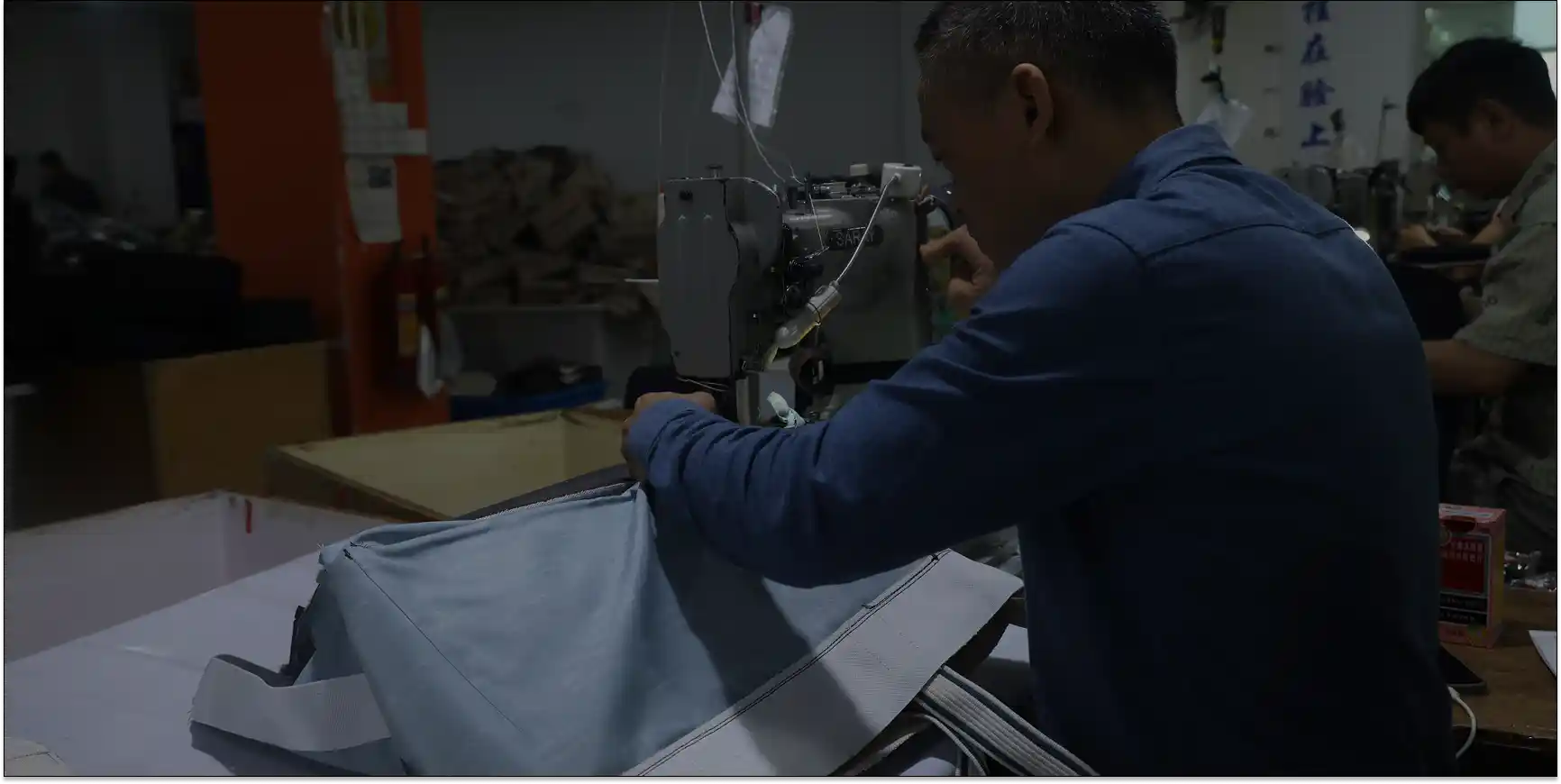
Summary answer: Durability testing is crucial for ensuring backpacks meet rigorous quality standards. GFBags, based in China, uses a comprehensive range of testing methods to ensure the backpacks they manufacture for clients across Berlin, Germany; Amsterdam, Netherlands; and Sydney, Australia are reliable and durable for daily use.
Introduction to Backpack Durability Testing
When designing and manufacturing backpacks, durability is one of the most important factors to consider. As a backpack manufacturer with over 20 years of experience, GFBags understands the vital role that thorough testing plays in ensuring the long-term reliability of the products. Backpack durability testing focuses on evaluating how well a product can withstand wear and tear under different conditions. This ensures that consumers can trust the quality and performance of the backpacks they purchase, whether they are used for commuting, travel, or outdoor activities.
At GFBags, we follow strict testing protocols for our range of backpacks and bags. These tests are designed to evaluate every aspect of durability, from material strength to construction quality.
Common Durability Tests for Backpacks
Various tests are used to measure the durability of backpacks. Each test focuses on specific attributes of the product, ensuring it can perform in various environments and scenarios. Below are some of the most common durability tests used in the backpack manufacturing industry:
- Fabric Abrasion Resistance Test: This test evaluates how resistant the fabric is to friction and wear, ensuring that the backpack’s exterior can handle frequent contact with surfaces without tearing or fraying.
- Zipper Strength Test: Zippers are often the most vulnerable part of a backpack. Testing their strength ensures they won’t break or malfunction under stress.
- Waterproof Testing: Backpacks designed for outdoor or travel use often need to be water-resistant or waterproof. This test checks the effectiveness of waterproof coatings or fabric under simulated rain or exposure to water.
- Load Capacity Test: This test checks the backpack’s ability to carry heavy loads without compromising its structure or design. It ensures that stitching and straps can handle the weight without tearing.
- Shoulder Strap Durability: Since shoulder straps bear the most weight, testing their durability is essential. This involves pulling, stretching, and testing the stitching to ensure they don’t fail during use.
Choosing the Right Testing Method for Your Backpack Manufacturing
The choice of durability testing methods depends on the backpack’s intended use and the market’s requirements. As an OEM/ODM backpack manufacturer, GFBags offers tailored testing methods that match the needs of our customers’ brands. For example, if your backpacks are designed for high-end business use, our focus would be on the aesthetics, fine materials, and refined craftsmanship. On the other hand, backpacks intended for rugged outdoor use would undergo extensive waterproofing and abrasion resistance testing.
Here’s how GFBags determines the right testing approach:
- Client Needs: We collaborate with clients to understand their specific product requirements.
- Product Use Cases: Identifying how the product will be used helps determine which tests are most relevant (e.g., travel bags vs. commuting backpacks).
- Materials: Depending on the raw materials used, certain tests may be prioritized over others.
| Testing Method | Best for | Key Focus |
|---|---|---|
| Fabric Abrasion | Outdoor backpacks | Wear resistance |
| Waterproofing | Travel backpacks | Water protection |
| Load Capacity | All backpacks | Structural integrity |
| Zipper Strength | Everyday use | Ease of use and durability |
How GFBags Ensures the Durability of Their Backpacks
At GFBags, we take a comprehensive approach to durability testing, leveraging both modern technology and time-tested techniques. Here’s a glimpse into our process:
- Material Selection: We start by choosing high-quality fabrics and components, ensuring that each material is suited to its specific application. Our raw material testing ensures everything, from zippers to fabric, can withstand real-world usage.
- Manufacturing Process Control: Throughout the production process, we maintain rigorous quality control to prevent defects. Our factories are equipped with state-of-the-art machinery and a skilled workforce to assemble the backpacks with precision.
- Rigorous Testing: Every batch undergoes a series of durability tests to ensure that the final product meets high standards before shipment. This includes multiple rounds of inspections, with adjustments made if necessary to improve performance.
- End-to-End Support: GFBags offers a 2-year warranty, up to a lifetime warranty on certain products, to ensure that customers feel confident in the durability of their backpacks. We also offer custom branding options and provide clients with direct communication to address any concerns.
The Importance of Durability Testing for Backpack Manufacturers
Durability testing is not just a quality control measure; it’s essential for brand reputation and customer satisfaction. For manufacturers, especially those dealing with international clients in regions such as Berlin, Germany, Amsterdam, Netherlands, and Sydney, Australia, the reliability of the product is paramount. Backpack manufacturers need to ensure that the products can withstand daily use, extreme weather conditions, and heavy loads without compromising their design or functionality.
For customers purchasing backpacks, knowing that the product has passed rigorous durability tests can instill confidence in the brand. Furthermore, it helps companies avoid costly returns or complaints and improves overall customer loyalty.
FAQ
What are the most common methods for testing backpack durability?
The most common methods include fabric abrasion resistance, zipper strength, waterproof testing, load capacity testing, and shoulder strap durability tests. Each method targets specific aspects of a backpack’s construction to ensure it will last through regular use.
Why is durability testing essential for backpack manufacturers?
Durability testing ensures that backpacks can withstand everyday wear and tear, protect valuable items from damage, and continue to perform in various environments. This reduces returns and boosts customer trust.
How does GFBags test the durability of their backpacks?
GFBags uses a combination of material selection, quality control during manufacturing, and multiple rounds of testing to assess a backpack’s strength, durability, and functionality. We conduct tests for fabric abrasion, zippers, waterproofing, and more.
What factors influence the durability of a backpack?
Several factors affect a backpack's durability, including the materials used (e.g., fabric, zippers, stitching), the quality of manufacturing, and how well the backpack is designed to handle specific stresses (e.g., weight, exposure to moisture).
Can durability testing help improve the design of my backpacks?
Yes, durability testing often uncovers areas for design improvement. For example, if a material doesn’t hold up well under abrasion, manufacturers can switch to a more durable fabric. Similarly, testing may lead to better placement of stitching or adjustments in strap construction.