Skip to content
Why Zipper Tears Occur on Custom Backpacks: Manufacturing Root Cause Analysis
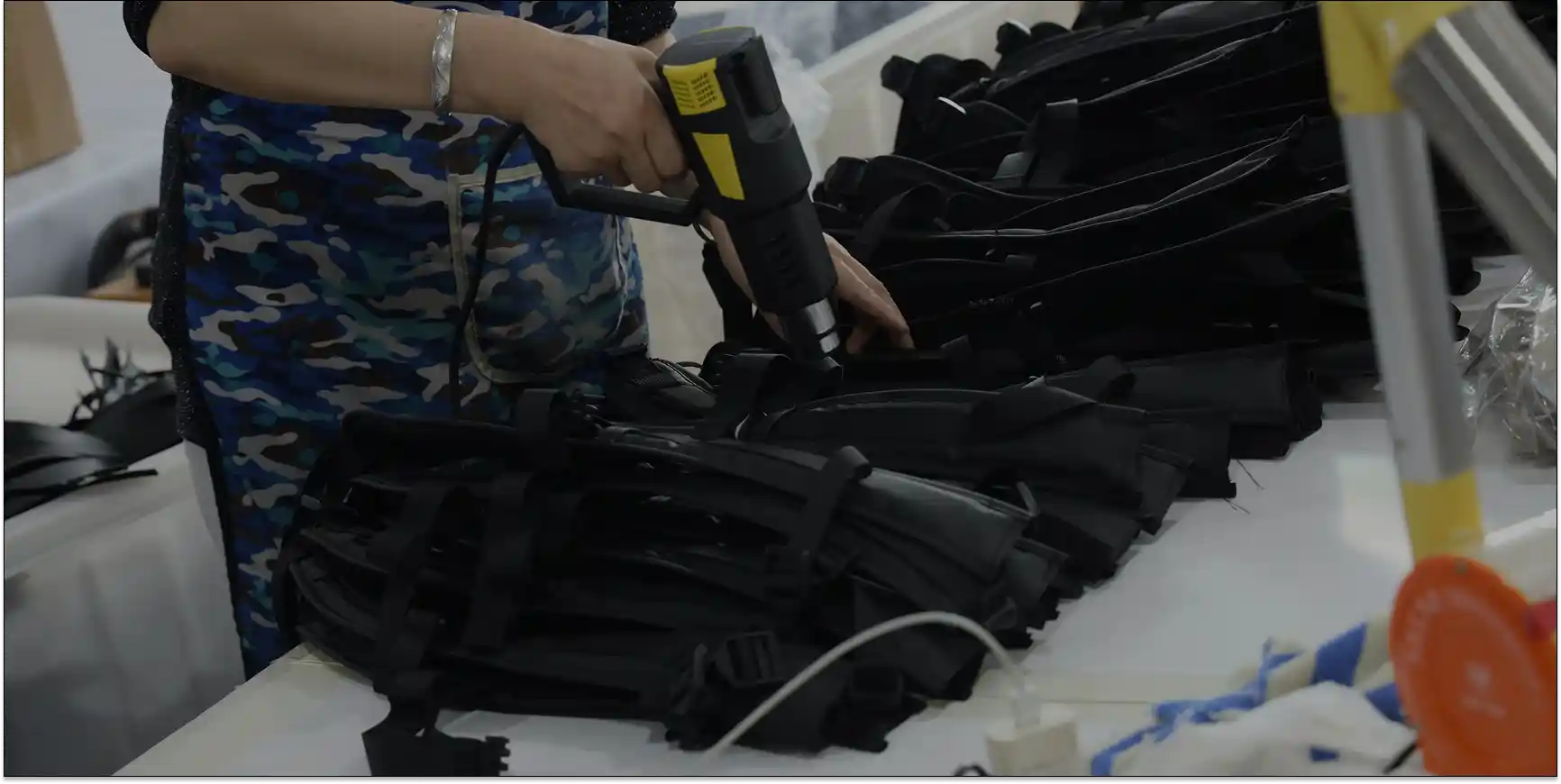
Summary answer: Zipper tears usually result from specific interactions between hardware tension and fabric stress during assembly rather than isolated component defects. Brands managing supply chains for markets such as Berlin, Germany | Amsterdam, Netherlands | Sydney, Australia typically implement stricter verification to align with durability requirements.
In the landscape of OEM backpack manufacturing, hardware failure remains a significant concern for quality assurance teams. Understanding why zippers tear involves examining the intersection of mechanical stress, component selection, and assembly precision. This analysis focuses on root causes identified within high-volume production environments where specifications vary across batches.
When producing backpacks for international distribution, manufacturers must account for diverse usage patterns and environmental conditions. For instance, clients supplying retailers in Europe and Oceania may prioritize heavy-duty load-bearing capacity more than those targeting daily commuters. GFBags operates with extensive experience in addressing these nuances through design reviews and pre-production sampling.
The following sections break down the technical factors contributing to zipper integrity issues. We examine process control methods, material compatibility metrics, and inspection protocols that influence final product reliability.
Common Manufacturing Factors Leading to Zipper Failure in Backpacks
During the sewing stage on the production line, several variables affect how a zipper functions under load. Misalignment of the zipper tape relative to the fabric edge creates uneven stress distribution. When the puller engages teeth that were sewn crookedly, lateral force increases, leading to separation of the coil or teeth.
Key manufacturing errors include:
* Incorrect Needle Tension: If the thread tension securing the zipper tape is too tight, the underlying fabric fibers compress and become brittle near the stitch line. * Chain Break Formation: In chain-stitched applications without reinforcement, thread loops can unravel under repeated pulling friction. * Stopper Placement Errors: Upper or lower stoppers installed incorrectly can prevent the slider from seating fully, leaving the bottom exposed to stress. * Tape Width Mismatch: Using tape widths smaller than the slider track width allows teeth to disengage outside the designated path.
For example, a mismatched needle hole size can compromise the structural integrity of nylon webbing used in laptop compartments. These deviations often occur due to equipment calibration drift over long production runs. Regular calibration checks help maintain consistency.
To mitigate these risks, factories utilize automated guides and visual aids during assembly. Some facilities employ specialized jigs that ensure the zipper remains parallel to the panel seam throughout the stitching cycle. This attention to detail reduces the incidence of early wear seen in mass-produced inventory.
Material Selection and Zipper Compatibility Considerations
The choice of zipper type correlates directly with the intended application and expected lifespan of the bag. A lightweight cotton tote requires different hardware specifications than a waterproof hiking pack. Selecting components solely based on cost often overlooks tensile strength requirements and abrasion resistance.
Zipper durability testing involves verifying that the selected slide opens and closes smoothly while bearing rated loads. Component compatibility relies on matching the coil pitch and tape thickness to the fabric density. If a heavy-duty polyester shell is paired with a soft nylon coil, the coil may snap when subjected to the shell's stiffness.
Consider the following comparison regarding component choices:
| Zipper Type | Recommended Application | Durability Factor | Risk Profile |
|---|---|---|---|
| Nylon Coil | Casual bags, Liners | High flexibility | Lower abrasion resistance |
| Molded Plastic | Outdoor gear, Kids bags | Corrosion resistant | Moderate tensile strength |
| Metal Tooth | Luxury goods, Heavy duty | Highest durability | Potential snag risk on lighter fabrics |
When selecting materials, engineers should verify the fabric's breaking strength against the zipper's sliding force rating. Overloading a component beyond its design limit leads to premature fatigue. Brands working with suppliers who understand these engineering constraints reduce their return rates significantly.
Material properties also change over time due to exposure to UV light or moisture. Standardized testing helps predict how hardware performs after extended use cycles. This approach aligns with Quality Control standards designed to validate component longevity before full-scale production.
Quality Control Protocols to Mitigate Zipper Defects
Effective quality assurance systems identify defects before items leave the factory floor. Sampling plans based on statistical significance allow manufacturers to detect trends in zipper failure rates without inspecting every single unit.
Inspection points typically include:
- Visual Inspection: Checking for bent sliders, missing teeth, or visible creases in the tape.
- Functional Testing: Manually cycling the slider multiple times to ensure smooth operation.
- Tensile Pull Tests: Applying lateral force to determine the break point of the closed zipper.
Implementing a multi-stage inspection process helps catch assembly errors early. For instance, checking the upper and lower stops immediately after installation prevents downstream rework costs. If a defect is found during the packing phase, the entire batch may require investigation into upstream machinery settings.
Documentation of these checks provides transparency to clients regarding production safety. Customers requesting specific durability benchmarks often benefit from detailed test logs. Services supporting tailored requirements ensure that custom branding efforts do not negatively impact functional performance. More information on Custom Service is available to discuss specification needs.
Additionally, final packaging procedures must protect zippers from external pressure that could deform sliders during transit. Proper carton stacking limits ensure hardware does not sustain physical trauma before reaching the end user.
FAQ
What are the most common manufacturing errors that lead to zipper failure?
Misalignment during sewing is frequently cited as the primary manufacturing error causing zipper failure. When the tape is not sewn straight, the slider encounters increased friction, which stresses the teeth or coil. Another common issue involves using stoppers that are not securely fixed, allowing them to shift position under load. These errors highlight the necessity for precise machine setup and operator training.
How does material selection influence the durability of zippers on backpacks?
Material selection dictates how well the zipper interacts with the bag's shell fabric. If the fabric is too stiff for the zipper coil, the coil may fracture when the zipper is forced. Conversely, if the fabric is too thin, the stitches holding the tape may rip through. Matching the weight class of the zipper to the fabric GSM ensures balanced load sharing across the closure system.
Can custom branding affect the structural integrity of zip components?
Custom branding generally refers to adding logos to tabs or labels, but excessive heat application or adhesive bonding can weaken components. If branding patches are placed directly over zipper teeth, they may obstruct slider movement or trap debris. It is crucial to position printed elements away from functional hardware zones to maintain operational reliability.
What steps can manufacturers take to prevent tearing during mass production?
Prevention strategies include maintaining regular calibration of sewing machines and replacing worn needles promptly. Implementing random audits during production runs allows managers to catch drifts in quality before large quantities are affected. Additionally, conducting pilot production tests verifies that all materials and settings work correctly together.
Is there a standard testing procedure for zipper tensile strength?
Yes, various industry standards define testing protocols for zipper strength. Organizations such as ASTM International provide methods for measuring breaking force and running strength. These tests simulate real-world forces to ensure components meet minimum thresholds. Results are typically documented as part of the compliance package provided to retail partners.
Sources
[S1] ASTM D5196 - Standard Test Method for Determining the Breaking Force and Elongation of Fabrics, Textiles, and Related Products, ASTM International.
[S2] ISO 7854:2016 - Textiles — Zippers — Vocabulary, Methods of testing and terminology, International Organization for Standardization.
***
*Note: Specifications, materials, and colors may vary by model and batch; confirm by approved sample and datasheet. Final product details are subject to mutual confirmation and contract terms. Sustainability and certification status depend on the selected materials and documented certificates.*
To avoid future defects in your custom orders, engage with our team to review manufacturing specifications. Our experienced staff can assist with evaluating supplier capabilities for specific hardware requirements.