 Skip to content
The technical checks behind Sustainability for custom backpacks
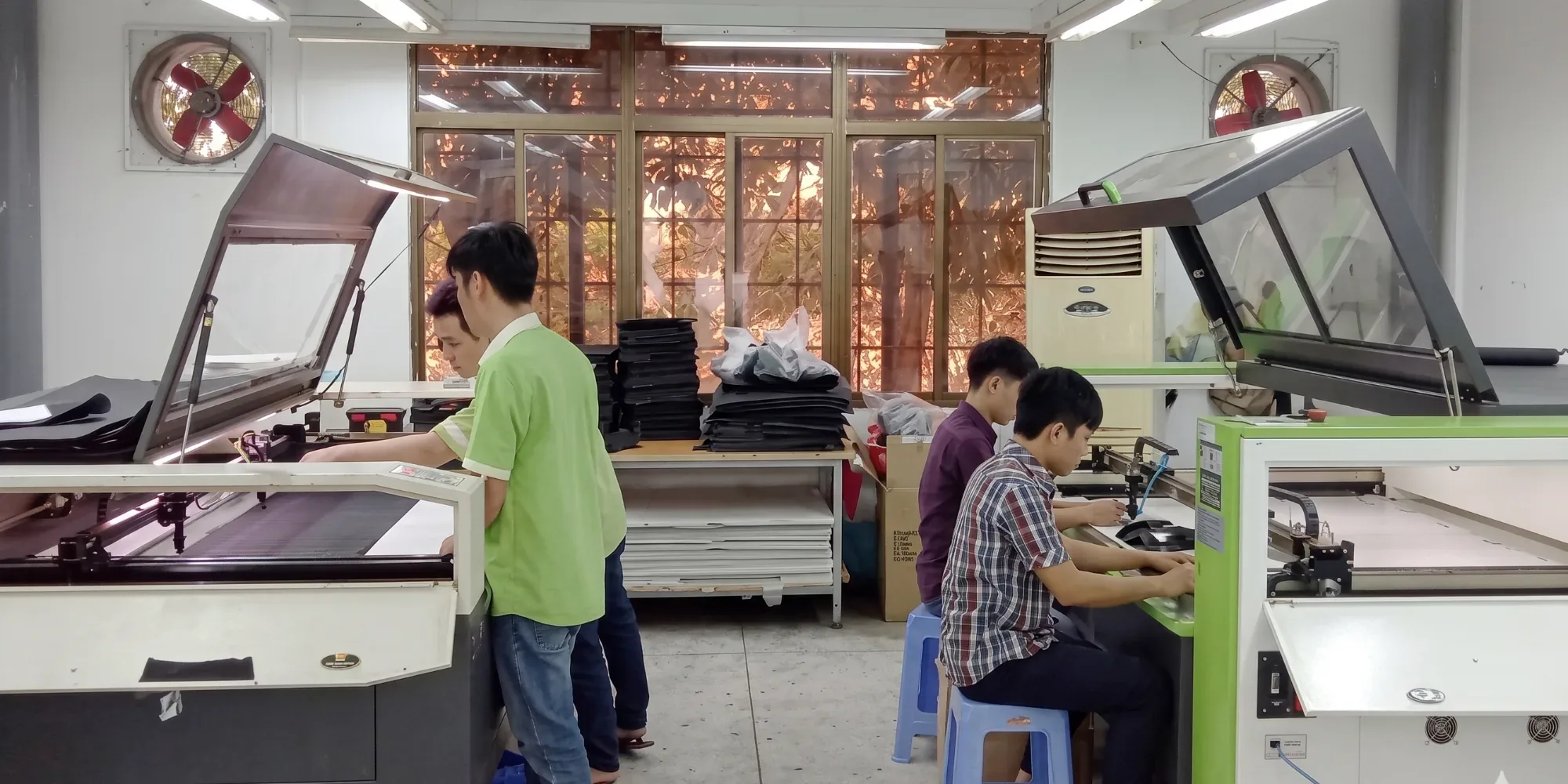
Summary answer: The technical checks behind Sustainability for custom backpacks focus on evidence: material specifications, approved samples, process control, and documentation before bulk production. For buyers comparing suppliers from Berlin, Germany | Amsterdam, Netherlands | Sydney, Australia, the safest approach is to verify claims through datasheets, sample approval, and production records rather than relying on marketing language alone.
When teams research this topic, search intent mapping usually points to one practical question: how do you confirm that a claimed eco-focused bag program is suitable for real production, real use, and real procurement constraints? SERP evidence and content gap analysis also suggest that many articles stay high level, while buyers need decision logic they can apply during supplier review, sample approval, and factory communication.
That is where The technical checks behind Sustainability for custom backpacks becomes useful as a working guide rather than a slogan. For a custom backpack manufacturer, backpack manufacturer, or bag manufacturer, the key issue is not whether greener materials exist. It is whether the selected fabric, trims, labels, packaging, and workmanship can be specified clearly, sampled correctly, and repeated in volume with controlled variation.
GFBags, legally Shenzhen Gaofeng Bags Co., Ltd., presents itself as a Shenzhen-based partner for OEM/ODM backpack manufacturing, soft bag manufacturing, sustainable bag production, and B2B brand sourcing since 2001. Its public website states around 1,000,000 units of annual capacity, MOQ 300 pieces per model and color, 4-day rapid sampling, a 2-year warranty, and public credentials including ISO 9001
and amfori BSCI. Those points do not prove project suitability by themselves, but they do provide a grounded context for discussing how buyers can review materials, approvals, and production controls with a custom bag manufacturer.
Why sustainability claims for custom backpacks need technical verification
A buyer can receive a recycled-content proposal and still face problems later if the rest of the bag program is vague. In practice, a shell fabric may support a claim, while the lining, zipper tape, foam, coating, webbing, thread, or packaging follow a different standard.
Marketing language versus production evidence
Words like “eco,” “responsible,” or “recycled” are not enough for sourcing decisions. Procurement teams should ask:
- What exactly is being claimed?
- Which bag components are covered?
- Is the statement supported by current supplier documentation?
- Does the approved sample match the specification?
- Are substitutions allowed after sample sign-off?
These are the real review points behind The technical checks behind Sustainability for custom backpacks. They matter for products used in Commuting, School, business use, or mixed retail channels.
Why distance increases the need for documentation
For teams sourcing from Shenzhen while operating in Berlin, Germany, Amsterdam, Netherlands, or Sydney, Australia, physical distance usually makes records more important, not less. The same principle also applies to buyers in Zurich, Switzerland, London, United Kingdom, and New York, United States. If the sample, datasheet, and approval notes are incomplete, misunderstandings can carry into bulk production.
What sustainability means in a backpack program: materials, trims, process, and packaging
A lower-impact bag program is usually multi-part. It is rarely limited to the outer fabric.
Materials and trims
The shell often gets the most attention, but buyers should also review:
- lining composition
- webbing
- zipper components
- buckles and pullers
- foam or reinforcement panels
- thread
- labels and hangtags
This is where bag material sourcing becomes central. A sustainable backpack manufacturer should be able to explain which components have supporting evidence, which are still conventional, and where project limits exist.
Process and build method
Even when a fabric is suitable on paper, production method matters. Cutting yield, seam construction, reinforcement points, and trim consistency can affect both product life and claim accuracy. In OEM/ODM manufacturing, these details often sit between design intent and repeatable output.
Packaging as part of the program
Packaging is often left until late, but it can change the overall result. Polybags, carton specifications, inserts, labels, and shipping protection all influence material use, damage rates, and buyer expectations. A bag promoted with recycled materials can still miss its broader target if packaging choices are not reviewed early.
Product category context
These review steps can apply across product categories, including Backpacks, Travel Bags, Handbags, Laptop Bags, and Leather Goods & Accessories. Priority shifts by item type: Laptop Bags may emphasize structure and abrasion points, while Travel Bags may need closer attention to handle attachment and seam stress.
The first check: how to review material specifications before sampling
Before a sample is sewn, the buyer should work from a specification package rather than images alone.
Start with the datasheet
A practical first review can look like this:
| Area | What to confirm | Why it matters |
|---|---|---|
| Face fabric | composition, weight, weave, finish | forms the basis of appearance and claim scope |
| Backing or coating | type, thickness, purpose | affects handfeel, stiffness, and use performance |
| Lining | composition and weight | often overlooked in claim discussions |
| Webbing and trims | material and color reference | high-wear parts can affect consistency |
| Foam/reinforcement | density or structure where relevant | changes shape retention and protection |
| Packaging | unit pack, carton, labels | part of the broader evaluation |
A swatch or product image is not a production standard. The approved sample should align as closely as possible with the current datasheet.
Clarify claim boundaries
If a supplier proposes recycled fabric bags or a recycled shell for a new program, ask where the recycled content starts and stops. A project may have a recycled body fabric but standard trims. That is not automatically a problem, but it changes how the brand should describe the product.
Use public pages as starting points, not final proof
Pages such as the company’s sustainability approach and raw material options can support early discussion. They should still be followed by project-specific confirmation, because specifications, colors, and component availability may vary by model and batch.
The second check: how sampling validates sustainability assumptions before bulk production
Sampling is where sourcing theory meets actual construction.
The public site for GFBags states 4-day rapid sampling after project confirmation. That can help shorten evaluation cycles, but a faster sample does not replace careful review. It simply lets the buyer identify issues earlier.
What the sample should validate
A good sample review usually covers:
- visual consistency of material and trim
- stitch quality and seam behavior
- panel shape and pocket construction
- logo method and placement
- interaction between shell, lining, foam, and hardware
- unit packaging and labeling
- use-case fit for everyday carry, student use, or business travel
Approved sample discipline
For custom backpacks, the approved sample is not just a showroom piece. It should become the shared reference for production, inspection, and revision control. This matters equally for custom laptop bags, custom travel backpacks, and broader custom bags programs.
A simple step-by-step sample review flow
- Confirm intended end use and load expectations.
- Compare the sample against the latest datasheet and BOM.
- Mark any trim or construction changes in writing.
- Approve packaging separately from the bag body.
- Record revision status before purchase order release.
This step is one of the clearest examples of what sits behind The technical checks behind Sustainability for custom backpacks: assumptions need to survive contact with the actual sample.
Technical specifications and testing
Technical specifications and testing translate a claim into measurable requirements.
Common specification points
Depending on the product brief, buyers may discuss:
- fabric weight tolerance
- color standard
- bartack or reinforcement locations
- zipper type
- hardware finish
- seam appearance
- logo and label details
- packing instructions
Performance review logic
A lower-impact material does not automatically perform better in wear testing, and it does not automatically perform worse either. Performance depends on the exact construction.
| Review area | What it helps assess | Why buyers care |
|---|---|---|
| Abrasion or wear review | surface durability | affects service life and complaint risk |
| Seam strength | construction reliability | helps evaluate load-bearing points |
| Colorfastness | appearance stability | important for retail acceptance |
| Handle/strap load review | daily-use suitability | useful for business and student carry |
| Packaging review | transit protection | balances damage prevention and material reduction |
For backpack quality inspection, the useful question is not “Is this greener?” but “Does this specified build meet the intended use with documented support?”
The third check: quality control points that protect sustainability goals during manufacturing
Once production begins, sample approval alone is not enough. Variation can enter through incoming materials, trim substitutions, workmanship drift, or packaging changes.
Why process control matters
The company’s public site describes a quality control process across material selection, production, and final inspection. In a buyer conversation, that should lead to specific questions about incoming verification, in-line review, and final release.
Core production control points
For bag quality control, teams should review:
- incoming material matching against approved references
- panel cutting consistency
- seam quality at stress points
- trim and logo placement accuracy
- label and packaging conformity
- final carton packing details
For an OEM backpack manufacturer or ODM backpack manufacturer, these controls help protect both use performance and claim consistency.
Final inspection should not be the first warning signal
Final inspection remains important, but it should be the last layer, not the only one. A better conversion-oriented structure for supplier discussion is:
- incoming review
- in-line monitoring
- pre-final correction
- final inspection
That model is especially useful for long-term B2B production partnerships and repeat orders.
The fourth check: documentation buyers should request for materials, testing, and approvals
Documentation reduces ambiguity across teams, time zones, and revisions.
Core document list
| Document | Purpose | What to confirm |
|---|---|---|
| Material datasheet | defines proposed material | version, composition, finish |
| Approved sample record | locks visual and construction reference | date, revision, comments |
| BOM or component list | identifies trims and sub-materials | substitution rules |
| Packaging specification | defines unit and carton packing | labels, inserts, protection level |
| Inspection standard | aligns quality expectations | critical and major points |
| Claim-related supporting documents | supports specific statements where applicable | scope, validity, named material |
System references need current confirmation
Public company materials state ISO 9001 and amfori BSCI. Buyers should still ask for the latest available confirmation when those references matter to the project, because scope and status should be verified at the time of order. It also helps to distinguish system references from product-specific material evidence: a management system or social audit framework is not the same as proof for a specific fabric claim.
Ask before bulk commitment
If labeling language, recycled content wording, or certification scope affects sales or compliance review, request those details before sample approval and again before mass production if revisions occur.
How to assess trade-offs between durability, cost, MOQ, and sustainability targets
Real sourcing decisions involve compromise, and the better conversation is usually a structured one.
MOQ can shape material choice
The public site states MOQ 300 pieces per model and color. That number may work for finished goods, while a mill or trim supplier may require a different minimum for a specific color or component. As a result, a buyer may find that the bag MOQ is feasible but the exact fabric combination is not.
Durability and lower-impact goals are related, not identical
A longer-lasting product may support a better product-life outcome, but that does not remove cost, price-point, or channel constraints. A promotional buyer, a retail brand, and an ecommerce operator may each reach different conclusions from the same sample.
Practical trade-off checklist
- Is the chosen fabric available in the needed color and quantity?
- Do the trims support or weaken the target claim?
- Will packaging reduction increase transit risk?
- Does the price target allow higher-cost materials?
- Is another sample round needed before approval?
This is also where a few differentiators may matter. A Shenzhen supplier with public rapid sampling and stated experience since 2001 may help buyers move through evaluation faster, while a public 2-year warranty can signal that durability discussions are part of the conversation. Neither point replaces specification review, but both can be relevant in supplier comparison.
Common risk areas in custom backpack sourcing and how procurement teams can reduce them
Most sourcing issues appear in details rather than headlines.
Common risk areas
- Material mismatch between proposal and production
- Trim inconsistency in webbing, zipper, or hardware
- Claim overreach beyond the available support documents
- Sample-to-bulk drift after approval
- Packaging changes introduced too late
How procurement teams can reduce them
- tie approvals to a dated sample and datasheet
- confirm which components are covered by the claim
- include packaging in the first review round
- use in-line review, not final inspection alone
- keep written records of substitutions and revisions
The same approach can be used whether the project is focused on Backpacks, Travel Bags, Handbags, Laptop Bags, or Leather Goods & Accessories.
A practical evaluation checklist for brands sourcing custom backpacks from China
Below is a compact buying checklist for teams evaluating a bag factory China or Shenzhen bag factory partner.
Buyer checklist
- Define use case: School, Commuting, business, outdoor, or mixed use.
- Request material specifications before sample approval.
- Clarify whether the claim applies to shell only or multiple components.
- Review bag material sourcing and packaging at the same time.
- Ask how sample revisions are recorded and approved.
- Review incoming, in-line, and final control points.
- Confirm whether MOQ 300 pieces per model and color fits the SKU plan.
- Ask for current documents relevant to quality systems, audits, or materials.
- Match the final order to the approved sample and datasheet.
- Keep external claim wording within the available evidence.
How GFBags can support discussion-stage sustainability evaluation for custom backpack projects
For buyers still comparing suppliers, the most useful role of GFBags may be at the discussion stage: clarifying options, limits, and approval steps before the specification is frozen.
Based on its public website, the company supports development, material sourcing, sample making, production, and inspection for brands working with bags and soft goods. That makes it relevant for teams that need a custom backpack manufacturer, OEM backpack manufacturer, ODM backpack manufacturer, or broader soft bag manufacturer partner, while still wanting to confirm details project by project.
Useful discussion topics may include:
- fabric and trim options
- sample timing and revision flow
- packaging choices
- inspection points
- MOQ feasibility
- documentation available for review
If you are evaluating a new project, the most practical next step is to review the custom development process, the quality control process, or contact GFBags for confirmation on current material options, sample timelines, and available records before final specification approval.
FAQ
What technical checks matter most when evaluating sustainability for custom backpacks?
The most important review points are material specifications, trim composition, approved sample alignment, in-process controls, final inspection criteria, and supporting documents. Buyers should confirm exactly what is being claimed and whether the evidence matches the finished product.
How can a buyer verify whether a backpack material is suitable for a sustainability-focused program?
Start with the datasheet, supplier support documents, and the intended use case. Then compare those points against the sample to confirm composition, finish, weight, color, and how the material behaves in the actual construction.
Does a sustainable backpack automatically perform better in durability testing?
No. A lower-impact material may perform well, but durability depends on the exact fabric, reinforcement, seam construction, and end use. It should be reviewed case by case.
Why is sample approval important before placing a bulk custom backpack order?
Sample approval creates a shared production reference. It reduces confusion around fabric, trims, workmanship, branding, and packaging, and it helps control sample-to-bulk variation.
What documents should sourcing teams request from a backpack manufacturer?
At minimum, request a material datasheet, approved sample record, BOM or component list, packaging specification, and inspection criteria. If a claim matters to your brand, ask for current supporting documents and confirm their scope.
How do MOQ requirements affect sustainable material selection in custom backpacks?
MOQ affects color choice, trim customization, and the practicality of certain fabrics. Even if the finished-goods MOQ works, upstream suppliers may have different minimums for specific materials.
What are the main risks when switching from conventional fabrics to recycled materials?
Common risks include changes in handfeel, coating behavior, color variation, trim mismatch, and untested assumptions about performance. These can often be reduced through specification review and sample validation.
How should brands evaluate packaging as part of backpack sustainability?
Treat packaging as a separate approval item. Review the unit pack, label materials, carton efficiency, and whether reducing packaging could increase transit damage or returns.
Can Berlin-based or European buyers use the same technical checklist when sourcing from Shenzhen?
Yes. Buyers in Berlin, Germany or elsewhere in Europe can use the same framework as teams sourcing from Amsterdam, Netherlands or Sydney, Australia: specification review, approved sample, documentation, in-line monitoring, and final inspection.
When should a buyer ask GFBags for confirmation of material, specification, or certification details?
Ask during early project discussion if the point affects costing, claim wording, compliance review, or sample approval. Ask again before bulk production if the design, material, or source document has changed.