 Skip to content
Summary answer: Effective bag manufacturer cost and MOQ planning is crucial for global brands, including those operating in Berlin, Germany, Amsterdam, Netherlands, and Sydney, Australia. It involves a detailed understanding of cost components, strategic MOQ negotiation, and proactive risk management to prevent overruns and ensure product quality. Companies like GFBags, an OEM/ODM manufacturer in Shenzhen, leverage decades of experience to guide brands through these complexities, offering transparent processes and scalable production.
For brands looking to launch a new line of custom backpacks or expand their range of Travel Bags, the journey from concept to market is often fraught with potential pitfalls related to expenditure and Minimum Order Quantity (MOQ).
Missteps in this crucial planning phase can lead to budget overruns, production delays, and compromised product quality, ultimately impacting profitability and brand reputation. Navigating the intricacies of custom bag manufacturing requires a deep understanding of the expenditure drivers, the strategic implications of MOQ, and a robust framework for risk diagnosis and prevention workflow.
This guide provides a comprehensive checklist to help procurement teams, product developers, and e-commerce operators mitigate these risks and optimize their bag production budget planning.
Understanding the Core Components of Bag Manufacturing Costs
The total expenditure of custom bag manufacturing is a multi-faceted equation, influenced by numerous variables that extend beyond the raw materials. A clear breakdown is essential for accurate budgeting and preventing unexpected expenses.
Material Sourcing and Selection
The choice of materials forms the foundation of your product's expenditure. This includes the main fabric (e.g., nylon, polyester, canvas, leather), lining, zippers, buckles, webbing, and any specialized components. Factors influencing material expenditure include:
- Type and Quality: Premium materials, such as high-denier Cordura for Backpacks or genuine leather for Handbags, inherently command a higher price point than standard alternatives.
- Origin and Certifications: Sourcing materials from specific regions or those with sustainability certifications (e.g., recycled fabrics) can impact pricing. For instance, opting for recycled fabric bags might have a different cost structure.
- Volume Discounts: Larger orders can often secure better pricing on raw material sourcing.
Labor and Production Processes
Labor expenses encompass everything from cutting and sewing to assembly, finishing, and packaging. The complexity of the product's design directly correlates with the labor hours required.
- Design Complexity: Intricate designs with multiple compartments, specialized stitching, or unique features will increase labor time and, consequently, the overall expense.
- Manufacturing Techniques: Certain techniques, like heat-sealing or specialized embroidery, may require different machinery or skilled labor, affecting the overall price.
- Factory Efficiency: An experienced OEM/ODM backpack manufacturer with optimized production lines can often achieve better efficiency, which may translate to more competitive pricing.
Tooling and Sampling
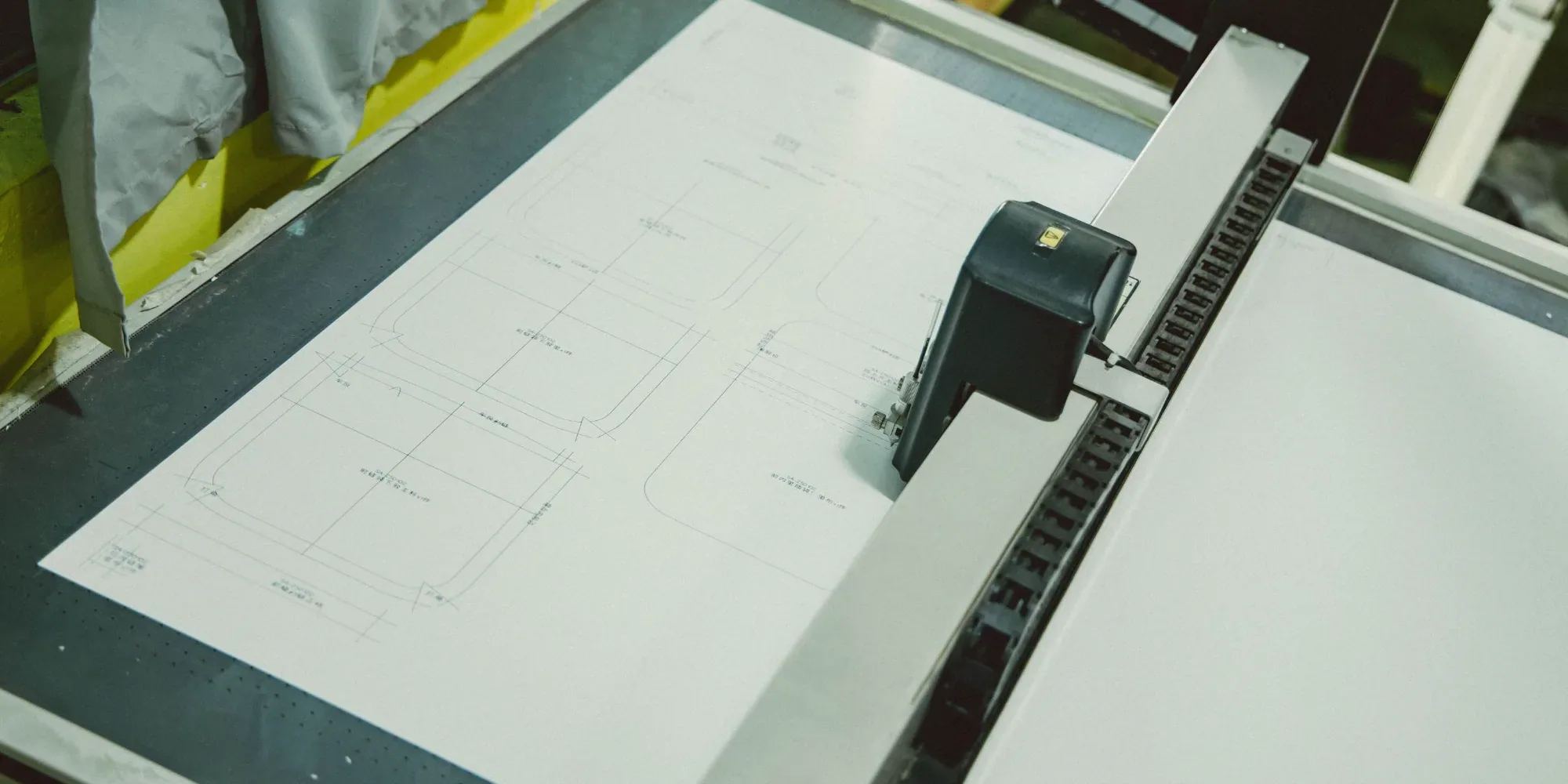
Initial setup expenses, often referred to as tooling, can include creating custom molds for hardware or specialized cutting dies. Sampling is also a critical, albeit often underestimated, expenditure component.
- Prototype Development: The expenditure of creating initial samples, including pattern making, material procurement for the sample, and labor, is a necessary investment. Rapid sampling, such as the 4-day rapid sampling offered by GFBags, can streamline this process and potentially reduce iterative expenses.
- Pattern Adjustments: Each revision to a sample incurs additional expenses and time. Clear communication and detailed specifications upfront can minimize these iterations.
Overhead and Logistics
These are the indirect expenses associated with running the manufacturing operation and getting the product to your destination.
- Factory Overhead: This includes rent, utilities, machinery maintenance, and administrative staff.
- Quality Control and Testing: Robust quality control processes, including material inspection, in-line checks, and final product audits, are essential but add to the overall expenditure. GFBags, for example, adheres to ISO 9001 standards and amfori BSCI compliance, which reflects a commitment to quality that is factored into their operational structure.
- Shipping and Tariffs: Freight expenses, customs duties, and import taxes can significantly impact the final landed cost of your custom bags.
Navigating Minimum Order Quantity (MOQ) Challenges and Opportunities
Minimum Order Quantity (MOQ) is a fundamental aspect of OEM/ODM backpack manufacturing and soft bag production. It represents the smallest number of units a manufacturer is willing to produce in a single batch. While often seen as a hurdle, understanding and strategically managing MOQ can unlock significant opportunities for optimizing MOQ for custom backpacks and other items.
Why Manufacturers Set MOQs
Manufacturers set MOQs primarily for economic viability. Producing small quantities can be inefficient due to:
- Fixed Costs: Setup expenses for machinery, pattern making, and initial material procurement are spread across fewer units, making each unit more expensive.
- Material Supplier MOQs: Manufacturers themselves face MOQs from their raw material suppliers.
- Production Line Efficiency: Shifting production lines for small runs is time-consuming and reduces overall factory output.
The Impact of MOQ on Unit Price
Generally, a higher MOQ tends to result in a lower unit price. This is because:
- Economies of Scale: Fixed expenses are distributed over more units.
- Bulk Material Purchasing: Manufacturers can secure better pricing on materials.
- Optimized Production Runs: Longer production runs are more efficient, reducing labor expenses per unit.
For brands, especially those just starting or testing new designs like custom Laptop Bags, an MOQ of 300 pieces per model and color, as guided by GFBags, can be a manageable entry point, balancing cost efficiency with inventory risk. This guidance on MOQ for custom bags helps brands plan effectively.
Strategic Approaches to MOQ
- Consolidate Orders: If you have multiple designs or colorways for custom backpacks, explore if the manufacturer can group them to meet a higher MOQ, potentially sharing some fixed expenses.
- Standardize Components: Using common zippers, buckles, or webbing across different product styles can help meet material MOQs more easily.
- Negotiate: While MOQs are often firm, there can be flexibility, especially for long-term partnerships or if you're willing to accept slight variations in materials or lead times.
- Consider Stock Materials: Ask your manufacturer if they have readily available stock materials that might allow for a lower MOQ on certain projects.
Common Risks in Bag Manufacturing Cost and MOQ Planning (Table: Risks, Root Causes, Impact)
Effective risk management in bag manufacturing begins with identifying potential issues before they escalate. For global brands sourcing custom bags, anticipating challenges related to cost planning and MOQ is paramount. This table outlines common risks, their root causes, and potential impacts, providing a framework for preventing cost overruns in bag production.
| Risk Category | Root Causes
FAQ
What factors primarily influence the cost of custom bag manufacturing
It should be judged against the goal, available evidence, execution resources, and real feedback; when key information is missing, validate on a smaller scale before expanding the commitment.
How does MOQ impact the unit price of custom bags
It should be judged against the goal, available evidence, execution resources, and real feedback; when key information is missing, validate on a smaller scale before expanding the commitment.
What are the most common hidden costs in bag production
It should be judged against the goal, available evidence, execution resources, and real feedback; when key information is missing, validate on a smaller scale before expanding the commitment.
How can brands effectively negotiate MOQ with manufacturers
It should be judged against the goal, available evidence, execution resources, and real feedback; when key information is missing, validate on a smaller scale before expanding the commitment.
What role does rapid sampling play in managing production costs and timelines
It should be judged against the goal, available evidence, execution resources, and real feedback; when key information is missing, validate on a smaller scale before expanding the commitment.