 Skip to content
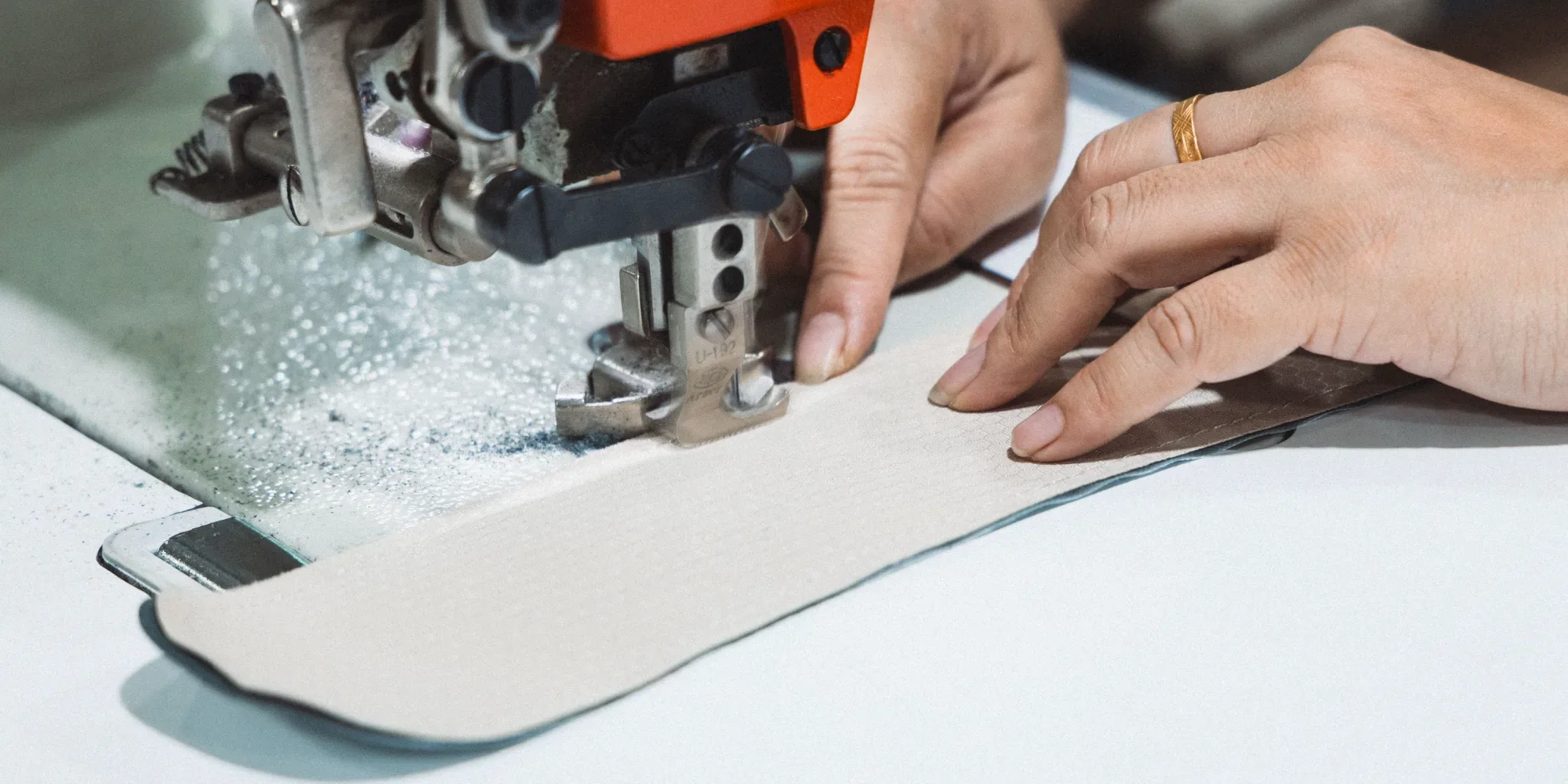
Summary answer: For global brands and sourcing managers in Berlin, Germany, Amsterdam, Netherlands, or Sydney, Australia, the choice between TPU (Thermoplastic Polyurethane) and PVC (Polyvinyl Chloride) coatings is pivotal for manufacturing high-performance, waterproof travel bags. While both offer effective water resistance, TPU generally provides superior flexibility, abrasion resistance, and a more favorable environmental profile, making it a strong
contender for durable and sustainable bag production. Conversely, PVC often presents a more cost-effective solution for applications where budget is a primary consideration and extreme environmental performance is not the top priority.
When developing a new line of custom travel bags or backpacks, the selection of materials, particularly the waterproof coating, is a foundational decision. The performance, durability, and even the environmental footprint of your product are significantly influenced by whether you opt for TPU or PVC.
As an OEM/ODM backpack and soft bag manufacturer, GFBags understands that this isn't merely a technical specification; it's a strategic choice impacting market positioning, user experience, and long-term brand reputation. This guide delves into the practical considerations, advantages, and disadvantages of each material, offering insights for procurement teams, product developers, and sourcing managers aiming to produce high-quality, water-resistant
soft goods.
Understanding Waterproofing in Travel Bag Manufacturing
Effective waterproofing in travel bags and backpacks goes beyond simply keeping contents dry; it's about ensuring reliability in diverse environments, from urban commutes to challenging outdoor adventures. The core function of a waterproof layer is to create a barrier that prevents water penetration through the fabric.
This is typically achieved by applying a polymer film or coating to one side of a textile, such as nylon or polyester. Beyond just repelling water, these surface treatments contribute to the fabric's overall strength, abrasion resistance, and tear strength, which are crucial for the longevity of custom travel bags.
The efficacy of a water-resistant finish is often quantified by its hydrostatic head rating, indicating the water pressure a fabric can withstand before moisture seeps through. However, true waterproof performance in a finished bag also relies heavily on construction methods, including seam sealing, zipper design, and overall product integrity.
For custom travel bag manufacturing materials, a well-chosen coating ensures longevity and user satisfaction, directly impacting a brand's perceived quality. As a custom bag manufacturer, GFBags emphasizes a holistic approach to water protection, combining advanced material selection with precise manufacturing techniques to ensure optimal performance.
TPU Coating: Advantages, Disadvantages, and Applications in Bags
Thermoplastic Polyurethane (TPU) has become a preferred material for high-performance, water-resistant bags due to its unique blend of properties. It's a versatile polymer that can be applied as a film or a liquid coating to various base fabrics, creating a robust barrier.
Advantages of TPU Coatings
- Superior Durability and Abrasion Resistance: TPU offers excellent resistance to abrasion, cuts, and tears, making it highly suitable for rugged travel packs and outdoor backpacks that endure demanding conditions. This contributes significantly to the fabric coating for durability.
- Flexibility and Lightweight Properties: Unlike some other surface treatments, TPU remains highly flexible even in cold temperatures, preventing cracking and maintaining the bag's aesthetic and functional integrity. It also adds less bulk compared to some alternatives, contributing to a lighter end product.
- Eco-Friendly Profile: TPU is generally considered a more environmentally conscious option than PVC. It is often recyclable, free from phthalates and heavy metals, and its production process can be less energy-intensive. This aligns well with the growing demand for sustainable bag materials and eco-friendly bag production.
- Chemical and Oil Resilience: This polymer exhibits good resistance to oils, greases, and many chemicals, which enhances the lifespan of bags used in diverse environments.
- Weldability for Watertight Seams: TPU can be heat-welded or radio-frequency (RF) welded, creating truly watertight seams without the need for stitching, which can compromise water resistance. This is a significant advantage for producing fully submersible or highly water-resistant bags, crucial for effective TPU vs PVC coating for waterproof travel bags manufacturing.
Disadvantages of TPU Coatings
- Higher Cost: Generally, TPU coated fabric for bags is more expensive than its PVC counterpart, which can impact the overall production cost, especially for large-scale orders.
- UV Sensitivity: Some formulations of TPU can be susceptible to UV degradation over prolonged exposure, potentially leading to discoloration or reduced performance if not properly stabilized.
- Processing Nuances: While weldable, working with TPU can sometimes require specific machinery and expertise compared to more traditional materials, adding a layer of complexity to the manufacturing process.
Applications in Bags
TPU is widely utilized in premium custom backpacks, technical outdoor gear, dry sacks, and high-end travel bags where durability, flexibility, and environmental considerations are paramount. Its properties make it suitable for products requiring a robust yet lightweight water-resistant solution.
PVC Coating: Advantages, Disadvantages, and Applications in Bags
Polyvinyl Chloride (PVC) has historically been a popular choice for water-resistant finishes due to its cost-effectiveness and reliable performance. It's a synthetic plastic polymer that provides a durable, water-impermeable layer.
Advantages of PVC Coatings
- Cost-Effectiveness: PVC coated fabric for bags is typically more affordable than TPU, making it an attractive option for brands with budget constraints or for products where cost is a primary driver.
- Effective Water Barrier: PVC offers reliable water protection, effectively sealing fabrics against moisture.
- Durability and Abrasion Resistance: While generally not as flexible as TPU, PVC provides good durability and resistance to abrasion, making it suitable for many heavy-duty applications. This contributes to the fabric coating for durability.
- Chemical Resistance: PVC is resistant to many chemicals, acids, and alkalis, contributing to its longevity in certain industrial or demanding environments.
- Ease of Processing: PVC is relatively easy to process and can be readily glued, stitched, or welded, offering versatility in manufacturing.
Disadvantages of PVC Coatings
- Environmental Concerns: The primary drawback of PVC lies in its environmental impact. Its production often involves chlorine, and it can release harmful dioxins during manufacturing and disposal. Phthalates, often used as plasticizers to make PVC flexible, are also a concern due to potential health impacts. This makes it less ideal for brands focused on sustainable bag materials or eco-friendly bag production.
- Stiffness in Cold Temperatures: PVC can become stiff and brittle in cold weather, potentially leading to cracking and reduced durability over time, which is a key consideration in a waterproof bag material comparison.
- Weight: PVC layers tend to be heavier than TPU, which can add noticeable weight to the final product, especially for larger travel bags or backpacks.
- Odor: Some PVC products can emit a distinct plastic odor, particularly when new.
Applications in Bags
PVC is commonly found in promotional bags, entry-level water-resistant bags, heavy-duty tarpaulins, and some types of duffel bags where cost and basic water protection are the main requirements. It's a workhorse material for applications where extreme flexibility or environmental certifications are not the top priority.
Key Differences: TPU vs. PVC for Travel Bag Performance (Table Comparison)
Understanding the direct comparisons between these two materials is crucial for informed OEM/ODM bag material selection, especially when considering TPU vs PVC coating for waterproof travel bags manufacturing.
| Feature | TPU (Thermoplastic Polyurethane) | PVC (Polyvinyl Chloride) |
|---|---|---|
| Flexibility | Excellent, maintains pliability in cold temperatures | Good, but can become stiff and brittle in cold |
| Abrasion Resistance | Superior | Good |
| Weight | Lighter | Heavier |
| Environmental Impact | More favorable (often recyclable, phthalate-free) | Less favorable (dioxins, phthalates, non-recyclable) |
| Cost | Higher | Lower |
| Chemical Resistance | Good resistance to oils, greases, many chemicals | Good resistance to many chemicals, acids, alkalis |
| Weldability | Excellent (heat/RF welding for truly watertight seams) | Good (can be welded, glued, stitched) |
| UV Resistance | Can be sensitive to prolonged UV exposure (some formulations) | Generally good |
| Odor | Low to none | Can have a distinct plastic odor |
| Typical Use Cases | High-performance custom backpacks, dry bags, premium travel bags | Promotional bags, heavy-duty tarps, entry-level water-resistant bags |
Environmental and Regulatory Considerations for Bag Coatings
The global market, from Berlin, Germany, to Sydney, Australia, is increasingly demanding more sustainable and ethically produced goods. This trend significantly impacts material sourcing for backpacks and travel bags, making the waterproof bag material comparison even more complex.
The Push for Sustainability
Brands are under pressure to reduce their environmental footprint, and material choices play a significant role. TPU's advantage in this area is becoming a crucial differentiator. Its potential for recycling and the absence of harmful chemicals like phthalates and lead make it a preferred option for brands committed to eco-friendly bag production. Many modern TPU formulations are designed to be biodegradable or easily recyclable, supporting a circular economy model.
Regulatory Landscape
Regulations like REACH in Europe and similar initiatives globally are tightening restrictions on hazardous substances in consumer products. PVC, particularly older formulations, often contains plasticizers (phthalates) that are under scrutiny or outright banned in certain applications due to health concerns. While PVC manufacturers have developed phthalate-free alternatives, the perception and regulatory hurdles remain. For brands distributing in markets with strict chemical regulations, selecting TPU can simplify compliance and reduce risks.
GFBags is committed to offering a range of material options, including sustainable choices, and works with clients to navigate these considerations, ensuring compliance and aligning with brand values. We regularly update our material sourcing options to reflect the latest advancements in sustainable textiles and surface treatments. For more details on our approach, visit our Sustainability page.
Selecting the Right Coating for Your Custom Travel Bag Project
Choosing between TPU and PVC involves a careful assessment of your product's specific requirements, target market, and brand values. Here's a step-by-step approach to guide your decision for custom travel bag manufacturing materials:
- Define Product Performance Needs:
- Water Protection Level: How water-resistant does the bag need to be? Is it for light rain, heavy downpours, or full submersion? This directly impacts the choice of fabric coating for durability.
- Durability & Abrasion: Will the bag face rough handling, frequent impacts, or extreme wear? Consider the expected lifespan and user environment.
- Flexibility: Does the bag need to remain pliable in cold weather, or will it be used primarily in temperate climates?
- Weight: Is a lightweight design critical for the target user (e.g., hikers, commuters)?
- Consider Your Target Market & Brand Positioning:
- Premium vs. Value: Is your brand positioned as high-end, focusing on durability and advanced features, or more on affordability?
- Sustainability Focus: Does your brand prioritize eco-friendly materials and sustainable bag production? Consumers, especially in markets like Amsterdam, Netherlands, are increasingly making purchasing decisions based on environmental impact.
- Aesthetics & Hand Feel: How important is the texture, drape, and overall feel of the material to your brand's aesthetic?
- Evaluate Cost Implications:
- Material Cost: Understand the price difference between TPU and PVC fabrics.
- Manufacturing Cost: Consider if the chosen material requires specialized machinery or processes that might affect production costs. GFBags provides transparent pricing guidance to help you make informed decisions. Visit our Pricing page for more information.
- Assess Regulatory Compliance:
- Market Regulations: Research chemical restrictions (e.g., phthalates, heavy metals) in your target markets.
- Certifications: Are specific environmental or safety certifications required or desired for your product (e.g., REACH compliance, GRS for recycled content)?
- Prototype and Test:
- Rapid Sampling: Work with your OEM/ODM manufacturer to create prototypes with both TPU and PVC options. GFBags offers 4-day rapid sampling to help you quickly evaluate material performance and aesthetics.
- Performance Testing: Subject samples to rigorous testing for water resistance, abrasion, tear strength, and cold-weather flexibility to validate your choice.
By systematically addressing these points, brands can make an informed decision that balances performance, cost, and sustainability, ensuring the final product meets both their vision and market demands. This detailed process is essential for successful TPU vs PVC coating for waterproof travel bags manufacturing.
The GFBags Approach to Material Sourcing and Quality Control
At GFBags, legally Shenzhen Gaofeng Bags Co., Ltd., our 20+ years of experience as an OEM/ODM backpack and soft bag manufacturer in Shenzhen since 2001 has taught us the critical importance of meticulous material sourcing and stringent quality control. For global brands, sourcing custom travel bags and backpacks means partnering with a manufacturer who can consistently deliver on material specifications.
Material Sourcing Expertise
Our team maintains strong relationships with a wide network of material suppliers, enabling us to source high-quality TPU and PVC coated fabrics, along with other specialized textiles. We work closely with clients, from product developers in New York, United States, to procurement teams in London, United Kingdom, to understand their exact requirements. This includes:
- Diverse Options: Offering a broad selection of base fabrics (nylon, polyester) and coating thicknesses for both TPU and PVC.
- Sustainable Choices: Guiding clients towards recycled fabric bags and other sustainable bag materials when environmental goals are a priority.
- Performance Matching: Recommending the optimal surface treatment based on the bag's intended use, desired durability, and specific environmental conditions it will face. Our expertise in material sourcing ensures that the chosen finish aligns perfectly with the product's functional and aesthetic goals.
Robust Quality Control
Quality control is integrated into every stage of our backpack production process. For water-resistant surface treatments, this involves:
- Incoming Material Inspection: All raw materials, including TPU and PVC coated fabrics, undergo thorough inspection upon arrival to ensure they meet specified standards for thickness, coating adhesion, and absence of defects.
- In-Process Checks: During cutting, sewing, and welding (especially for TPU), our production lines incorporate regular checks to ensure seam integrity and proper material handling.
- Water Resistance Testing: Finished bags are subjected to various tests, which may include simulated rain tests or hydrostatic pressure tests, to confirm the effectiveness of the water-resistant finish and overall bag construction.
- Final Inspection: Before shipment, every batch undergoes a comprehensive final inspection to verify all specifications, including the quality of the water-resistant finish.
Our commitment to quality is further supported by credentials such as ISO 9001 and amfori BSCI, reflecting our dedication to consistent quality management and ethical production practices. This rigorous approach ensures that whether you choose TPU or PVC, your custom bags will meet high standards. Learn more about our detailed Quality Control process.
Future Trends in Waterproof Bag Materials and Manufacturing
The landscape of water-resistant bag materials is continually evolving, driven by innovation, consumer demand, and environmental consciousness. For OEM/ODM manufacturing, staying ahead of these trends is crucial.
Advanced TPU Formulations
Expect to see further advancements in TPU, including:
- Bio-based TPUs: Development of TPUs derived from renewable resources, further enhancing their sustainability profile.
- Enhanced Performance: TPUs with improved UV resistance, even greater abrasion resistance, and lighter weight formulations.
- Smart Coatings: Integration of functional properties beyond water resistance, such as antimicrobial features or self-healing capabilities.
Recycled and Recyclable Materials
The emphasis on circularity will continue to grow. This means not only using recycled fabrics as the base material but also ensuring that the surface treatments themselves are either made from recycled content or are fully recyclable at the end of the product's life. Brands seeking to produce sustainable custom bags will increasingly look for manufacturers like GFBags who can source and work with these advanced materials.
Innovative Sealing Technologies
Beyond traditional stitching and welding, new methods for sealing seams and integrating water-resistant components are emerging. These technologies aim to create even more robust and durable water barriers, reducing reliance on chemical sealants and improving manufacturing efficiency.
For brands and sourcing managers in Berlin, Germany, Amsterdam, Netherlands, or Sydney, Australia, partnering with a manufacturer that actively researches and adopts these future trends is key to developing innovative and competitive products. GFBags remains at the forefront of material science and manufacturing techniques to offer cutting-edge solutions for custom travel bags and backpacks.
FAQ
What is the primary difference between TPU and PVC coatings for bags?
The primary difference lies in their chemical composition, which dictates their performance characteristics and environmental impact. TPU (Thermoplastic Polyurethane) is generally more flexible, lighter, more abrasion-resistant, and considered more environmentally friendly. PVC (Polyvinyl Chloride) is typically more rigid, heavier, less flexible in cold temperatures, and has a less favorable environmental profile due to its production and disposal characteristics.
Which coating offers better abrasion resistance for travel bags?
TPU generally offers superior abrasion resistance compared to PVC. This makes TPU a preferred choice for custom travel bags and backpacks that are expected to endure rough handling, frequent use, and exposure to abrasive surfaces, ensuring greater durability over time.
Is TPU a more sustainable option than PVC for bag manufacturing?
Yes, TPU is widely considered a more sustainable option than PVC for bag manufacturing. TPU is often recyclable, free from phthalates and heavy metals, and its production process can be less harmful to the environment. PVC, on the other hand, often involves chlorine in its production and can release harmful substances during its lifecycle, posing greater environmental and health concerns.
How does the choice of coating affect the weight and flexibility of a travel bag?
The choice of coating significantly impacts both weight and flexibility. TPU layers are typically lighter and maintain excellent flexibility even in cold temperatures, making bags more comfortable to carry and less prone to cracking. PVC layers tend to be heavier and can become stiff and brittle in colder conditions, potentially affecting the bag's packability and long-term durability.
What are the cost implications of using TPU versus PVC in large-scale bag production?
Generally, TPU coated fabric for bags is more expensive than PVC. This higher material cost for TPU can translate to a higher overall manufacturing cost for large-scale bag production. PVC offers a more budget-friendly option, which can be a key factor for brands focused on competitive pricing or high-volume promotional items.
Can both TPU and PVC coated fabrics be customized with branding?
Yes, both TPU and PVC coated fabrics can be customized with branding. Manufacturers like GFBags can apply various branding techniques, including screen printing, heat transfer, and debossing (for certain material thicknesses), to both TPU and PVC surfaces. The specific method may vary based on the coating type, texture, and desired aesthetic.
What is the typical lifespan of a travel bag with TPU vs. PVC coating?
The typical lifespan depends on various factors, including the quality of the base fabric, manufacturing processes, and user care. However, due to its superior abrasion resistance, flexibility, and resistance to cracking, a travel bag with a high-quality TPU coating often exhibits a longer functional lifespan, especially under demanding conditions, compared to a PVC-coated bag.
How does GFBags ensure the quality of waterproof coatings on their custom bags?
GFBags ensures the quality of water-resistant coatings through a multi-stage quality control process. This includes rigorous incoming material inspection of both TPU and PVC fabrics, in-process checks during manufacturing to ensure proper application and seam integrity, and comprehensive final inspections. We also conduct water resistance testing, such as simulated rain tests, to verify the performance of the coating and the overall bag construction before shipment.