 Skip to content
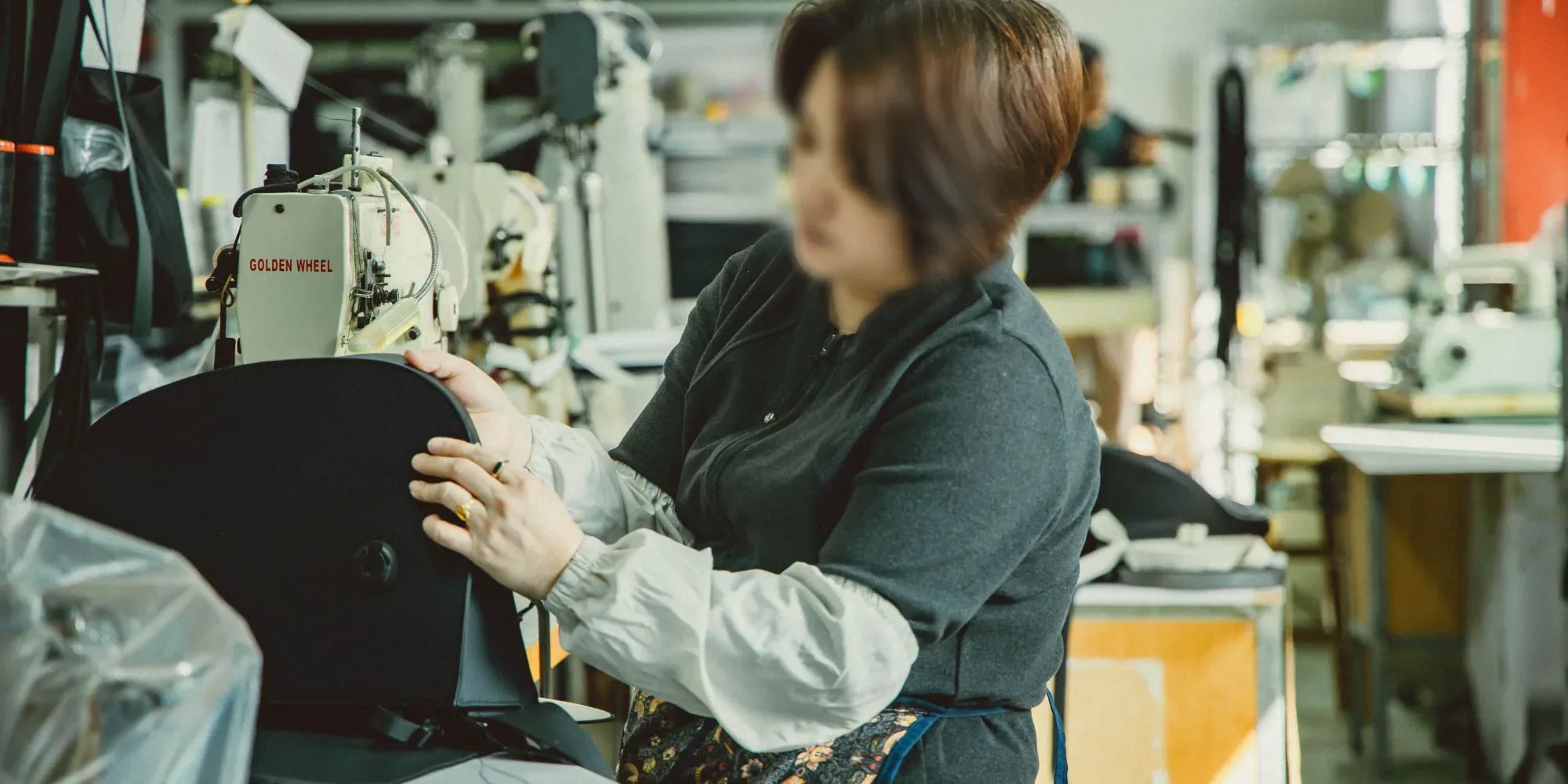
The expectation for a luxury item, particularly a Louis Vuitton backpack, extends far beyond its iconic monogram or design. It encompasses an uncompromising standard of excellence that permeates every stitch, material choice, and functional element. For brands and manufacturers aspiring to similar benchmarks, understanding these intricate quality control inspection points is crucial. It’s about more than just aesthetics; it's about engineering durability and delivering a tactile experience that justifies a premium price point.
Summary answer: Achieving the rigorous quality standards seen in luxury items like a Louis Vuitton backpack involves meticulous inspection points across material sourcing, craftsmanship, and durability testing. Experienced OEM/ODM manufacturers, including those in Shenzhen like GFBags, implement comprehensive quality assurance systems such as ISO 9001 and amfori BSCI, ensuring every detail from fabric integrity to stitching precision meets high-end expectations for global brands, including those in Berlin, Germany; Amsterdam, Netherlands; and Sydney, Australia.
Understanding the Pillars of Luxury Bag Quality: Beyond Brand Name
When we discuss the caliber of a luxury accessory, such as those from Louis Vuitton, we're exploring a multi-faceted concept. It's not merely about the brand name, but the tangible and intangible attributes that create its value. These include the selection of premium materials, the precision of craftsmanship, the robustness of construction, and the consistency of the final
product. For high-end bag quality control, every component contributes to the overall perception of luxury. This requires a stringent approach to quality assurance, beginning with the very first design concept and extending through every stage of production. The goal is to eliminate imperfections and ensure that each item reflects the brand's commitment to excellence.
This meticulous approach is a hallmark of luxury backpack manufacturing standards. It’s about creating a product that is not only visually appealing but also functionally superior and built to last. For a custom backpack manufacturer, adopting these principles means integrating rigorous checks and balances throughout their operations. This ensures that every custom backpack or bag produced adheres to the highest possible benchmarks.
Key Stages of Quality Control in High-End Backpack Manufacturing
Effective quality management in manufacturing high-end bags is not a single event but a continuous process integrated into every stage of production. For OEM/ODM backpack quality assurance, this typically breaks down into several critical phases:
- Incoming Material Verification: Before any material is cut or processed, it undergoes thorough scrutiny. This includes checking fabric specifications, leather quality, hardware integrity, and accessory consistency. Any deviation here can compromise the final product's integrity.
- In-Process Quality Checks (IPQC): As the bag takes shape, inspections occur at various assembly points. This ensures that cutting is precise, stitching is even, and components are aligned correctly. Early detection of flaws prevents costly rework later, contributing to efficient production and superior craftsmanship.
- Final Product Assessment (FQC): Once the item is fully assembled, a comprehensive inspection takes place. This covers all aesthetic and functional aspects, from overall appearance to zipper functionality and strap strength. This is where many of the specific Louis Vuitton backpack quality control inspection points would be rigorously applied.
- Pre-Shipment Verification (PSI): A final, often third-party, inspection ensures that the finished goods meet all specifications and packaging requirements before leaving the factory. This provides an additional layer of assurance for global brands, particularly when dealing with complex supply chain quality management for bags.
Each stage is vital to ensuring that the final product aligns with the exacting standards expected of luxury items. This systematic approach is essential for any custom bag manufacturer aiming to produce premium goods.
Detailed Inspection Points for Materials and Components
The foundation of a luxury backpack's quality lies in its materials. For items like a Louis Vuitton backpack, material inspection for luxury bags is paramount. This involves not just checking for obvious defects but verifying that materials meet specific technical and aesthetic criteria. An OEM backpack manufacturer must ensure that all raw materials, from fabrics to fasteners, are sourced from reputable suppliers and undergo stringent testing.
| Component Type | Specific Inspection Points The primary differences in quality control for luxury versus mass-market bags often revolve around the *depth of inspection*, the *tolerances for defects*, and the *emphasis on material integrity and craftsmanship*. Luxury items, like a Louis Vuitton backpack, demand near perfection, with even minor cosmetic flaws deemed unacceptable. Mass-market products, while still subject to quality checks, often have broader acceptable quality limits (AQLs) for minor imperfections. The focus for luxury goods is on consistency, durability, and the tactile experience, necessitating more rigorous material inspection for luxury bags and more stringent craftsmanship inspection points.
How does material sourcing impact the overall quality of a high-end backpack?
Material sourcing profoundly impacts the overall quality of a high-end backpack. For an item to achieve luxury backpack manufacturing standards, the selection of raw materials is critical. This includes not only the primary fabric or leather but also zippers, buckles, threads, and internal linings.
High-end brands often specify materials with superior abrasion resistance, colorfastness, water repellency, and tactile feel. An OEM backpack manufacturer committed to luxury quality will have established relationships with certified suppliers, ensuring traceability and consistent material properties. Using inferior materials, even for a small component, can compromise the entire product's durability and perceived value, regardless of the precision in
assembly. Sustainable choices in materials are also increasingly important for many brands.
What certifications or standards should an OEM/ODM manufacturer have to ensure luxury quality?
To ensure luxury quality, an OEM/ODM manufacturer should ideally adhere to internationally recognized quality management systems and ethical production standards. ISO 9001 certification indicates a robust quality management system, demonstrating consistent processes for product development, production, and quality control.
For ethical sourcing and labor practices, certifications like amfori BSCI are highly valued, aligning with the broader values of luxury brands. While not directly quality certifications, these standards reflect a manufacturer's commitment to operational excellence and responsible practices, which are integral to maintaining high-end bag quality control.
Specific material certifications (e.g., GRS for recycled content) may also be relevant depending on the product's sustainability goals.
Can a custom backpack manufacturer in Shenzhen meet the stringent quality demands of global luxury brands?
Yes, a custom backpack manufacturer in Shenzhen can certainly meet the stringent quality demands of global luxury brands. Shenzhen is a hub for advanced manufacturing, with many factories possessing state-of-the-art equipment, skilled labor, and extensive experience in producing for international markets.
Manufacturers like GFBags, an experienced OEM/ODM backpack manufacturer in Shenzhen, have developed sophisticated quality control processes and supply chain quality management for bags that align with global luxury standards. Their ability to offer rapid sampling, work with diverse high-quality materials, and implement detailed inspection protocols ensures that the Shenzhen bag factory quality standards can rival those found anywhere
in the world, serving clients in locations such as Berlin, Germany; Amsterdam, Netherlands; and Sydney, Australia.
What is the typical warranty period for high-quality custom-manufactured backpacks?
The typical warranty period for high-quality custom-manufactured backpacks can vary, but many reputable manufacturers offer a warranty of at least one to two years, covering defects in materials and workmanship. For instance, GFBags offers a 2-year warranty on its products, reflecting confidence in its manufacturing processes and the durability of its custom backpacks.
Some premium brands might offer extended or even "lifetime" warranties for specific products, often indicating exceptional material selection and craftsmanship inspection points. The warranty period is a strong indicator of a manufacturer's commitment to quality and their belief in the longevity of their products.
How does GFBags ensure rapid sampling maintains luxury quality standards?
GFBags ensures rapid sampling maintains luxury quality standards through a streamlined product development and rapid sampling process that integrates quality checks from the outset. Their 4-day rapid sampling capability is supported by experienced pattern makers and a dedicated sampling team that understands the nuances of high-end bag construction.
This involves immediate material verification, precise pattern cutting, and skilled assembly, with continuous feedback loops to ensure the sample accurately reflects the desired specifications and quality benchmarks. The focus is on replicating production-level quality in the sample, allowing brands to quickly assess and approve designs without compromising the ultimate product integrity.
What are common defects found during quality control inspections of backpacks, and how are they prevented?
Common defects found during quality control inspections of backpacks include uneven stitching, misaligned components, faulty zippers, material inconsistencies (e.g., color variations, scratches), loose threads, and incorrect branding. These are prevented through a multi-stage approach. Incoming material inspection for luxury bags screens raw materials.
In-process quality checks monitor assembly, ensuring precision in cutting and stitching. Final product assessment includes detailed visual and functional checks, covering all craftsmanship inspection points. For example, GFBags implements a rigorous quality control process that involves documented checks at each stage, from raw material inspection to final packaging, significantly reducing the likelihood of such defects reaching the customer.
How can brands verify the quality control processes of their manufacturing partners?
Brands can verify the quality control processes of their manufacturing partners through several methods. This includes conducting factory audits (either directly or via third parties), reviewing quality control documentation (e.g., inspection reports, AQL standards), requesting samples at various production stages, and implementing pre-shipment inspections.
Visiting the factory in person or sending a representative to observe the production line and quality checks can also provide valuable insights. Reputable OEM/ODM backpack manufacturers, like GFBags, are typically transparent about their quality control systems and welcome such verification, often holding certifications like ISO 9001 and amfori BSCI that attest to their operational standards.
Non-official industry analysis and boundaries
This analysis provides general insights into luxury bag manufacturing quality control and should not be interpreted as an official statement or endorsement by Louis Vuitton or any specific brand. The information presented is based on general industry practices for high-end goods and GFBags' stated capabilities as an OEM/ODM backpack manufacturer.
Specifications, materials, and colors may vary by model and batch; confirmation should always be made by approved sample and datasheet. Final product details are subject to mutual confirmation and contract terms. Sustainability/certification status depends on the selected materials and documented certificates.
Avoid medical/safety claims; keep wording technical and neutral. When uncertain, it is recommended to contact GFBags for confirmation and the latest documentation.
FAQ
What are the primary differences in quality control for luxury versus mass-market backpacks
It should be judged against the goal, available evidence, execution resources, and real feedback; when key information is missing, validate on a smaller scale before expanding the commitment.
How does material sourcing impact the overall quality of a high-end backpack
It should be judged against the goal, available evidence, execution resources, and real feedback; when key information is missing, validate on a smaller scale before expanding the commitment.
What certifications or standards should an OEM/ODM manufacturer have to ensure luxury quality
It should be judged against the goal, available evidence, execution resources, and real feedback; when key information is missing, validate on a smaller scale before expanding the commitment.
Can a custom backpack manufacturer in Shenzhen meet the stringent quality demands of global luxury brands
It should be judged against the goal, available evidence, execution resources, and real feedback; when key information is missing, validate on a smaller scale before expanding the commitment.
What is the typical warranty period for high-quality custom-manufactured backpacks
It should be judged against the goal, available evidence, execution resources, and real feedback; when key information is missing, validate on a smaller scale before expanding the commitment.