 Skip to content

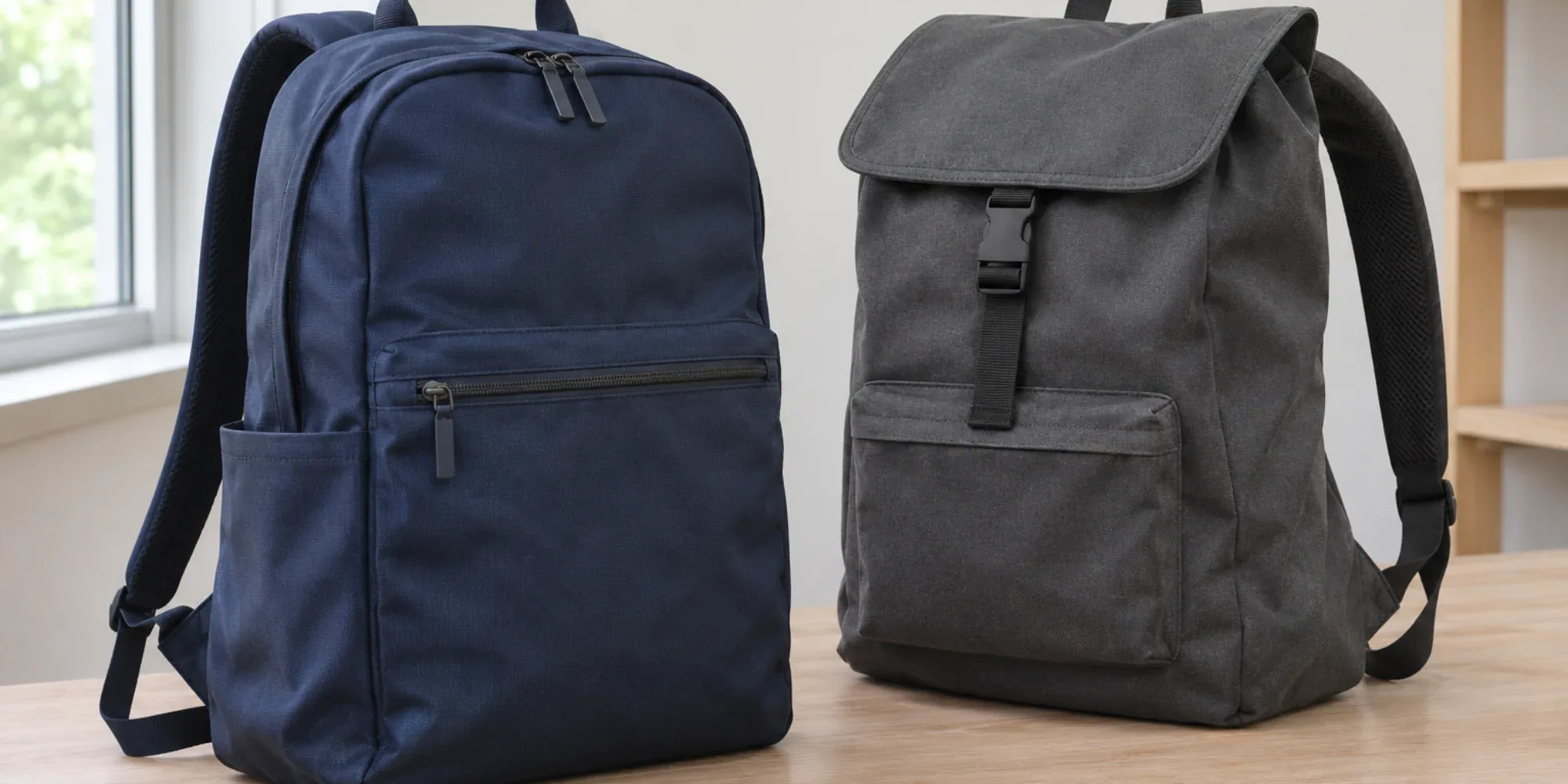
Comparing backpack manufacturers requires looking past unit costs to evaluate their documented quality control frameworks and material sourcing standards. The key decision criteria are a supplier's use of statistical defect reduction methods (such as SQC and FMEA), their integration of lean manufacturing for operational stability, and their ability to provide verifiable third-party sustainability credentials (like OEKO-TEX STeP or SCS Recycled Content). Effective suppliers also demonstrate precise component selection and robust B2B customization capabilities.
Evaluating Defect Reduction and Quality Frameworks
When sourcing managers compare backpack manufacturers, evaluating quality control systems is a primary decision criterion that extends far beyond merely inspecting finished samples. Many buyers initially assess a factory based on final visual inspections, assuming that end-of-line checks are sufficient to prevent defective goods from shipping. However, relying solely on visual inspection is a highly reactive strategy. It identifies flawed products only after significant labor, production time, and expensive raw materials have already been consumed. For the high-volume production of complex soft goods, a supplier that depends entirely on manual sorting to catch skipped stitches, misaligned zippers, or incorrect seam allowances is likely managing a high internal defect rate. This hidden inefficiency disrupts delivery schedules and increases costs, making proactive quality management a critical differentiator during the supplier selection process.
To establish a reliable baseline for comparison, procurement professionals should evaluate whether a manufacturer utilizes structured, data-driven defect reduction frameworks. Advanced facilities replace subjective sorting with systematic methodologies that analyze and tightly control production quality. While specific academic research often focuses on industrial packaging—such as studies demonstrating how an integrated framework of Statistical Quality Control and Failure Mode and Effect Analysis successfully isolates defects in woven bag production—these same rigorous principles establish a reliable benchmark for evaluating technical soft goods manufacturers. By deploying these analytical methods, a manufacturer can systematically collect production and defect data across the assembly floor. This enables them to prioritize corrective actions based on a calculated Risk Priority Number and isolate the root causes of recurring flaws long before those issues impact the entire production run. Integrated SQC and FMEA Framework for Woven Bag Defect Reduction In Manufacturing Industry | Academia Open
Statistical Quality Control offers a distinct advantage for evaluating operational consistency. Instead of checking every single backpack or conducting arbitrary spot checks, SQC relies on continuous statistical sampling to monitor whether the manufacturing process remains stable and within acceptable specification limits. When comparing potential suppliers, sourcing managers should ask for documentation of their statistical control methods. A manufacturer that consistently tracks defect trends on specific sewing lines can identify when a heavy-duty machine is beginning to fall out of calibration before it produces a massive batch of rejected bags. This preventative capability is especially important for complex backpacks featuring multiple compartments, structural padding, and heavy-duty hardware. Early detection of variance is necessary to maintain uniform performance and dimensional accuracy across tens of thousands of units.
Similarly, the presence of Failure Mode and Effect Analysis documentation indicates a proactive approach to manufacturing risk management. FMEA requires the manufacturer to anticipate potential failures during the product development and pre-production stages. In backpack manufacturing, this might involve systematically evaluating the risk of needle deflection when sewing through thick layers of ballistic nylon, or calculating the likelihood of seam failure at critical load-bearing stress points. By assigning a Risk Priority Number to each potential issue based on its severity, its expected frequency of occurrence, and its detectability, the supplier can implement preventative measures—such as modifying a specialized sewing jig or adjusting the baseline stitch density—before mass production even begins. Evaluating a supplier based on their active use of FMEA provides sourcing managers with concrete evidence of their engineering competence.
- Records of statistical sampling plans demonstrating how the factory monitors variance across different production lines.
- Sample Failure Mode and Effect Analysis documentation showing how the supplier anticipates structural weaknesses in load-bearing seams.
- Historical data tracking corrective actions implemented when a process exceeds its allowable defect threshold.
There are practical tradeoffs to consider when requiring these advanced frameworks. Implementing and maintaining statistical monitoring and proactive risk analysis requires a manufacturer to invest in specialized training, data tracking infrastructure, and dedicated quality engineering staff. Suppliers with high quality-control maturity may therefore present slightly higher initial unit costs or require longer pre-production setup times. Sourcing managers must carefully weigh this upfront investment against the long-term costs associated with poor quality, such as inconsistent batch runs, elevated consumer return rates, and potential damage to brand reputation. While baseline visual inspection might be acceptable for simple promotional items, the risk mitigation provided by these frameworks justifies stricter criteria for technical backpacks.
While navigating a supplier website can provide initial insights into their stated quality commitments, true evaluation requires deeper verification. Procurement teams must request substantive evidence of these frameworks in action, such as recent control charts or an appropriately redacted risk analysis report from a comparable production run, ensuring third-party proprietary information remains protected. By prioritizing manufacturers that utilize rigorous statistical tools and preventative failure analysis, sourcing managers can confidently select partners capable of maintaining tight tolerances and delivering consistent quality at scale. For company-specific information, see GFBags.
Assessing Operational Stability Through Lean Manufacturing
While rigorous defect reduction frameworks isolate physical product flaws, a backpack supplier's overall reliability also depends heavily on their operational stability. For sourcing managers, evaluating a manufacturer's ability to maintain steady lead times and scale production without introducing chaos is a fundamental decision criterion. A factory might produce an exceptional pre-production prototype, but if their assembly floor operates reactively—shifting workers haphazardly between stations to resolve immediate issues or accumulating massive piles of unfinished inventory—they are highly likely to miss critical delivery windows during peak ordering seasons. A supplier's true capability is often revealed by how they manage routine operational stress rather than how they perform under ideal conditions. Comparing suppliers therefore requires moving beyond static, self-reported production capacities to examine exactly how efficiently they organize and execute their daily manufacturing workflows.
The application of lean manufacturing concepts serves as a verifiable indicator of this operational maturity. Lean methodologies focus on systematically identifying and eliminating non-value-adding activities, commonly referred to as waste, from the production cycle. Case studies evaluating productivity improvement in plastic bag manufacturing demonstrate that structured, continuous improvement efforts planned around lean manufacturing concepts can directly enhance facility output and stability. While technical backpack production involves complex cut-and-sew assembly rather than plastic extrusion, the underlying principles of lean resource management translate seamlessly. For procurement professionals, a supplier that actively implements these methodologies demonstrates a disciplined approach. Instead of relying on constant expediting, aggressive batching, or rushed overtime to meet quotas, advanced facilities utilize balanced production lines. In such environments, the cutting of technical fabrics, the insertion of structural foam padding, and the final stitching of harnesses flow continuously with minimal disruption. Productivity Improvement in Plastic Bag Manufacturing through Lean Manufacturing Concepts: A Case Study | Scientific.Net
To evaluate this operational stability during a supplier comparison, buyers should establish observable decision criteria based on lean integration. Whether conducting virtual audits, reviewing operational documentation, or completing an on-site facility tour, sourcing managers should look for clear visual management systems. A highly efficient backpack manufacturer will utilize marked pathways, designated color-coded zones for staging heavy-duty hardware, and real-time production boards tracking hourly assembly output against daily targets. Conversely, a factory floor heavily cluttered with excess work-in-progress—such as overflowing bins of partially assembled shoulder straps waiting days for the next binding step—is a clear indicator of poor line balancing and hidden bottlenecks. Prioritizing manufacturers that proactively minimize these internal delays ensures that large purchase orders progress at a predictable, measurable pace.
However, comparing suppliers on this basis requires an understanding of the practical tradeoffs associated with highly lean operations. Because lean manufacturing intentionally minimizes excess inventory and eliminates unnecessary buffer stock, these facilities operate with tightly synchronized raw material supply chains. If a sub-tier supplier fails to deliver a specialized waterproof zipper or a batch of custom-dyed nylon on time, a lean backpack manufacturer may face immediate production stoppages, as they lack the deep safety stock that a less organized factory might hoard. Consequently, sourcing managers must evaluate a lean supplier's broader procurement network and require detailed contingency plans for sudden material shortages, ensuring that lean efficiency does not inadvertently create a fragile, easily disrupted assembly schedule.
Ultimately, assessing operational stability separates manufacturers capable of executing complex B2B sourcing programs from those that merely function as generic assembly workshops. When procurement teams require specialized bag customization and firm launch dates, strict adherence to a predetermined delivery calendar is just as vital as passing the final quality inspection. By verifying a supplier's commitment to organized workflow strategies, continuous improvement, and deliberate waste reduction, sourcing managers can confidently select a partner equipped for long-term scalability and reliable performance. For company-specific information, see GFBags.
Verifying Environmental and Social Production Standards
Sourcing managers comparing backpack manufacturers must recognize that self-reported environmental and social claims carry significant hidden supply chain risks. In the global soft goods industry, generic marketing phrases regarding sustainable production are ubiquitous, making baseline comparisons difficult if procurement teams rely solely on unverified supplier declarations. A reliable decision criterion requires shifting the evaluation entirely from internal factory promises to verifiable, independent audits. This objective verification separates sophisticated manufacturers capable of meeting strict global compliance requirements from those that simply adopt current industry terminology to secure contracts. When a buyer fails to prioritize independent validation during the initial supplier comparison, they risk associating their purchasing brand with unverified labor practices or unsubstantiated material claims. This oversight can lead to severe compliance failures during customs import processes, regulatory penalties, or lasting damage to the purchasing organization's corporate reputation.
A central element of modern backpack sourcing is the integration of recycled textiles, such as recycled polyester or nylon. Because high-quality recycled fabrics often look and perform identically to virgin materials, visual inspection by a quality control team cannot confirm their origin. Therefore, a critical supplier comparison metric is the manufacturer's ability to prove the chain of custody for their raw materials through recognized third-party authorities. For example, SCS Global Services launched a third-party certification program for recycled content claims in 1989 and currently offers comprehensive assessments to verify these materials. Procurement teams should prioritize suppliers that operate within such established frameworks, ensuring that the recycled content specified in a manufacturing contract is genuinely present in the finished backpack. This level of traceability helps buyers avoid unintentional greenwashing when marketing the final product to environmentally conscious end consumers. Recycled Content Certification | ISO 14021 & SCS‑103 | SCS
Beyond the composition of the raw materials, the physical manufacturing environment constitutes a major operational variable. Backpack production involves intensive cutting, sewing, and finishing processes, all of which intersect with labor conditions and facility-level environmental impacts. Buyers must establish decision criteria that assess how a factory manages these realities on the production floor. The OEKO-TEX STeP certification provides a structured benchmark for this evaluation, as it sets standards addressing both the social and environmental aspects of textile and leather production facilities. When comparing potential partners, a facility that aligns with these rigorous standards demonstrates a proactive approach to safe working conditions, responsible chemical management, and sustainable resource use. This distinguishes mature manufacturing partners from reactive suppliers that only address baseline compliance when pressured by an incoming client audit. OEKO-TEX® Sustainable Textile and Leather Production (STeP)
Specialized components require equally rigorous oversight. Many durable backpacks, laptop bags, and corporate travel bags incorporate leather accents, trims, or protective bases. Leather manufacturing introduces intense environmental scrutiny, making independent verification of these specific components a necessary part of the broader supplier evaluation. The Leather Working Group operates as a global multi-stakeholder initiative committed to ensuring that leather is sourced and produced sustainably, aiming to protect people and the planet. A backpack manufacturer that procures leather elements from facilities audited under this or similar frameworks proves its competence in managing complex, high-risk sub-tier suppliers. This level of supply chain visibility is a strong indicator of the manufacturer's overall procurement maturity, revealing their ability to trace inputs all the way back to the raw material processing stage. What we do – Leather Working Group
- Independent verification of recycled material chain of custody rather than basic factory declarations.
- Documented alignment with comprehensive environmental frameworks for facility operations, wastewater, and energy use.
- Verified social compliance auditing that covers fair labor practices and safe working conditions across the assembly lines.
- Traced sourcing for high-impact components, ensuring complex materials meet multi-stakeholder sustainability goals.
Transforming these credentials into actionable decision criteria requires procurement teams to demand specific documentation during the initial vetting process. Instead of accepting a general sustainability policy, buyers must evaluate the exact scope and validity of independent certifications. Verifiable environmental and social standards function as a highly reliable proxy for a manufacturer's overall organizational discipline. Facilities that successfully navigate demanding audit processes must maintain meticulous internal record-keeping, precise material segregation protocols, and a high degree of management control. These underlying operational strengths directly translate to better product consistency, fewer unexpected delays, and more transparent communication. When a sourcing manager must choose between two manufacturers offering similar unit costs and prototype quality, the presence of verifiable, third-party production standards provides a definitive, objective rationale for the final supplier decision, establishing a foundation for a stable, low-risk manufacturing partnership.
Material Science and Component Sourcing Competence
When comparing backpack manufacturers, procurement professionals must examine the supplier's applied knowledge of material science and component sourcing. While certified quality frameworks ensure consistent manufacturing environments, the physical integrity of the final product relies heavily on the raw materials chosen. A manufacturer's ability to navigate the physical properties of synthetic textiles and industrial hardware is a definitive decision criterion. Facilities that procure whatever bulk fabric is currently cheapest without analyzing its performance characteristics introduce significant risk. In contrast, advanced suppliers demonstrate an engineering-level understanding of material behavior, matching textiles to the backpack's intended end-use.
This technical competence is especially critical when dealing with synthetic fabrics like nylon and polyester, which dominate the soft goods industry. A proficient supplier understands that these materials do not perform identically under physical stress or environmental exposure, and their real-world behavior can sometimes contradict baseline assumptions. For example, textile research comparing fabrics made from nylon and polyester fibers has observed unexpected differences in odor intensity following wear against the body. Because nylon is notably more hydrophilic than polyester, standard assumptions based on previous moisture regain studies might mistakenly suggest a different outcome. A knowledgeable manufacturer tracks these actual performance nuances, recognizing that complex fiber interactions require careful selection rather than treating nylon and polyester as interchangeable options based merely on visual similarity or unit cost. Abdul-Bari | Comparison of Odor Intensity between Nylon and Polyester | International Textile and Apparel Association Annual Conference Proceedings
Evaluating how a factory applies this material science provides actionable insight into their overall manufacturing capability. If a buyer is developing an active commuting backpack, the materials will face constant exposure to moisture and friction. A manufacturer that proactively discusses the properties of various synthetic blends and suggests appropriately treated materials demonstrates strong competence. Conversely, if a sourcing project involves a simple promotional tote bag where long-term moisture management is irrelevant, the supplier should recommend a cost-effective material without over-engineering the solution. The core decision criterion is the supplier's ability to explain the physical tradeoffs of a textile and recommend a material that directly supports functional requirements, rather than blindly executing a specification sheet.
Beyond woven textiles, the structural integrity of a backpack depends heavily on its hardware components, particularly zippers, buckles, and load-bearing adjusters. Hardware failure is one of the most common causes of product returns in the bag industry. Therefore, a thorough supplier comparison must scrutinize the factory's hardware sourcing network. Reliable manufacturers avoid substituting generic, unbranded hardware to artificially lower production costs. Instead, they integrate components from established hardware providers that adhere to strict manufacturing tolerances. Evaluating the provenance of these functional components offers a clear window into the supplier's commitment to long-term product durability and consistent quality across large production runs.
An analysis of a supplier's zipper sourcing provides a practical example of this principle. Industry-leading component manufacturers operate with high degrees of technical specialization and standardization. For example, the hardware manufacturer SBS states on its corporate platform that it acts as the secretariat for a national hardware standardization technical committee for zippers and positions itself as an expert in zipper manufacturing. However, procuring hardware from a reputable manufacturer does not physically guarantee that the zipper will not separate or jam on the finished product. By maintaining established relationships with standardized, reputable component manufacturers that focus on high-quality closures, a backpack supplier secures reliable components that are highly resistant to failure when properly specified and installed. A skilled supplier ensures they select the appropriate zipper gauge for the intended stress load, maintain correct sewing alignments, and leave sufficient clearance so fabric does not catch in the slider. Procurement teams should require detailed component documentation during the sampling phase to verify these execution capabilities. sbszipper.com
Ultimately, assessing a manufacturer's material science and component sourcing competence shifts the procurement focus from basic assembly capabilities to comprehensive product execution. Sourcing managers should use the prototype and sampling stages to aggressively test this competence. By asking potential suppliers to justify their fabric recommendations and document their hardware supply chains, buyers can easily distinguish between reactive assembly workshops and proactive manufacturing partners. A supplier that thoroughly understands the behavioral nuances of synthetic fibers and insists on properly specifying standardized hardware components provides a significantly lower-risk investment, ensuring that the finished backpacks perform reliably in the hands of the end user.
Customization Strategies for B2B and Corporate Alignment
The final critical decision criterion in comparing backpack manufacturers is their capacity to execute sophisticated B2B customization. For sourcing managers handling corporate programs or private label development, a supplier must offer more than generic assembly. Analysis of the corporate gifts and bag manufacturing industry indicates that successful B2B sales strategies rely heavily on a customer-centric approach and extensive customization capabilities. A manufacturer that views customization merely as a post-production logo application, rather than an integrated structural process, poses a risk to corporate buyers who need tailored dimensions, specific hardware plating, or precise color-matched textiles to align with their organizational identity. Strategies for Effective B2B Sales in the Corporate Gifts Industry: Best Practices and Success Tactics in the w.r.t Bag Manufacturing in Ahmedabad City | International Journal of Business and Management Practices (IJBMP)
Customization is ultimately about protecting and elevating the purchasing organization's brand identity. When a sourcing manager procures thousands of custom backpacks or laptop bags, those products become physical extensions of the company's reputation. Achieving functional congruence—where the physical utility of a product directly aligns with the buyer's expected performance standards—creates distinct competitive advantages. In technical bag manufacturing, this means the supplier must be capable of translating a brand's specific use-case requirements into the physical architecture of the bag. For example, if a corporate technology client orders protective travel bags, a capable supplier will intelligently customize the structural foam density and the internal compartment layout to functionally match the client's high-tech, secure brand image, rather than forcing a generic catalog shell to fit the order.
To summarize the overarching strategies for supplier comparison, procurement professionals must elevate their evaluation criteria beyond static unit pricing and baseline visual inspections. A reliable decision hinges on a holistic assessment of a manufacturer's verifiable operational maturity. First, buyers should demand proof of statistical defect reduction methods and proactive failure analysis to ensure consistent production quality. Second, evaluating the facility's integration of lean manufacturing principles reveals its ability to maintain stable lead times without chaotic internal bottlenecks. Third, sourcing managers must shift away from self-reported sustainability claims, instead requiring independent, third-party audits that verify both social compliance and the exact chain of custody for recycled materials.
Finally, analyzing a supplier's applied knowledge of material science, specialized component sourcing, and their capacity for customer-centric customization confirms their competence as a strategic partner. Evaluating these factors provides a much clearer picture of how a factory will handle complex production challenges compared to simply reviewing a single prototype. By applying these specific decision criteria—structured quality frameworks, documented operational efficiency, audited material origins, and structural B2B alignment capabilities—sourcing managers can effectively filter out basic assembly workshops. This comprehensive supplier comparison approach enables buyers to look past initial quotes and confidently identify a long-term manufacturing partner equipped to deliver durable, functional, and brand-aligned soft goods at scale.
Sources
- Integrated SQC and FMEA Framework for Woven Bag Defect Reduction In Manufacturing Industry | Academia Open
- Productivity Improvement in Plastic Bag Manufacturing through Lean Manufacturing Concepts: A Case Study | Scientific.Net
- Recycled Content Certification | ISO 14021 & SCS‑103 | SCS
- OEKO-TEX® Sustainable Textile and Leather Production (STeP)
- What we do – Leather Working Group
- Abdul-Bari | Comparison of Odor Intensity between Nylon and Polyester | International Textile and Apparel Association Annual Conference Proceedings
- sbszipper.com
- Strategies for Effective B2B Sales in the Corporate Gifts Industry: Best Practices and Success Tactics in the w.r.t Bag Manufacturing in Ahmedabad City | International Journal of Business and Management Practices (IJBMP)