 Skip to content

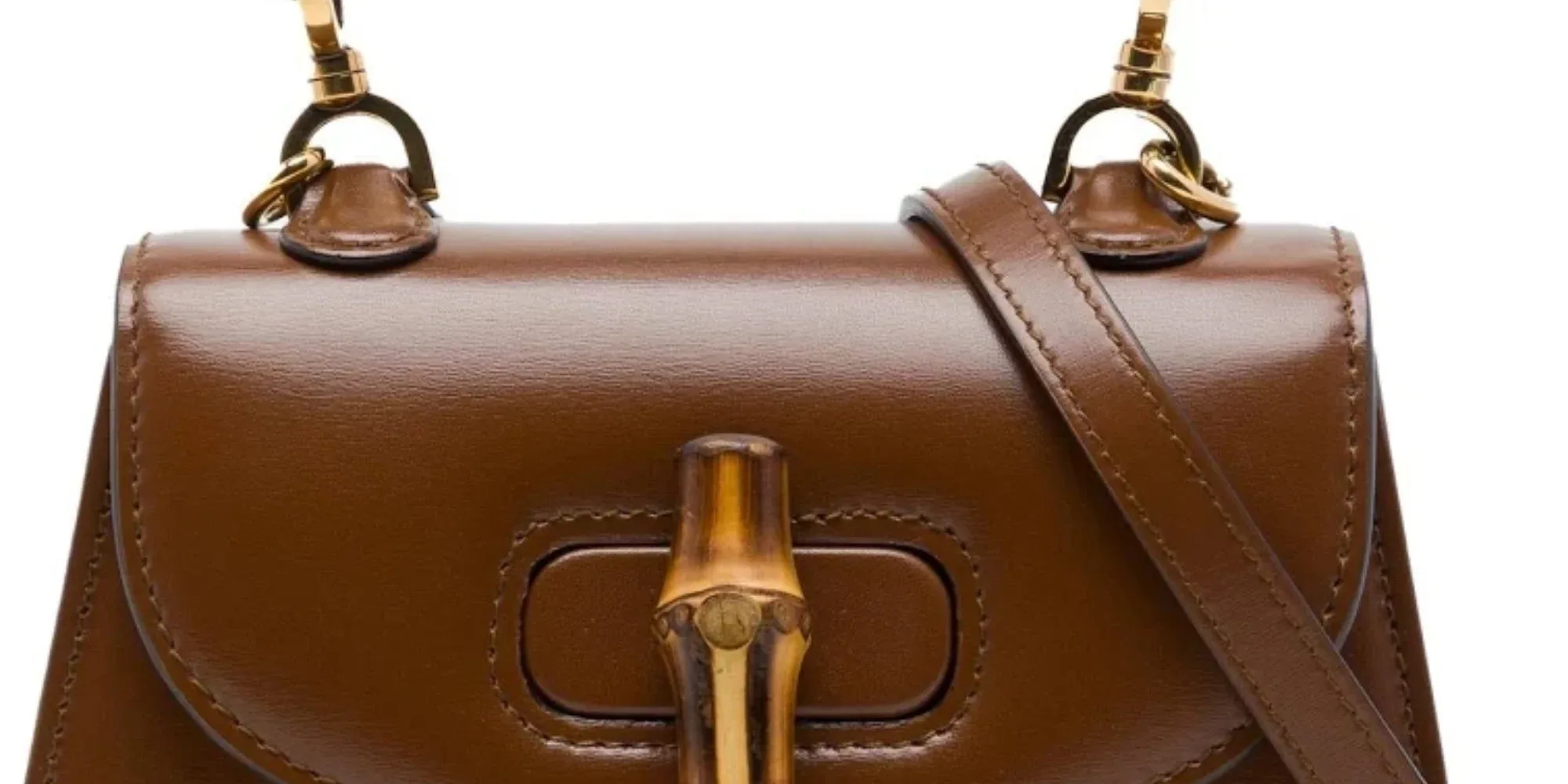
Evaluating an OEM backpack manufacturer for Louis Vuitton-adjacent quality requires checking their systemic capabilities in material origin verification, precision cutting and skiving tolerances, specialized edge finishing, and documented in-line defect detection. A luxury-tier factory must demonstrate exact adherence to tech packs through precise prototyping and possess the supply chain transparency to source, handle, and verify premium certified components.
Material Origin Verification and Component Traceability
Producing a luxury backpack that meets Louis Vuitton-adjacent quality standards begins long before any material reaches the cutting floor, requiring absolute control over material inputs. Standard mass-market assembly often relies on commodity purchasing, where factories accept material substitutions if the visual match is reasonably close. This compromises the tactile experience, structural integrity, and durability expected of a high-end product. For instance, substituting a visually similar coated canvas with a cheaper backing material can fundamentally alter how the backpack drapes under load. Luxury sourcing demands strict adherence to material tech packs, verifiable component origins, and batch-level consistency. An OEM operating at a premium level must demonstrate systemic capabilities to trace, verify, and handle specialized inputs without cross-contamination. Sourcing managers must therefore look beyond the aesthetic appeal of a showroom sample and audit the factory procurement and intake tracking systems.
Verifying the origins of premium materials frequently involves integrating components that have been vetted by established third-party organizations. If a backpack design requires responsibly sourced leather to meet brand sustainability commitments, the manufacturer must be capable of working seamlessly with certified supply chains. For example, the Leather Working Group (LWG), established in 2005 as a collaborative non-profit initiative among brands and manufacturers, is dedicated to ensuring leather is produced and sourced sustainably to protect people and the planet. By supporting responsibly made leather, the LWG challenges and educates the industry. A high-end OEM must possess the administrative protocols to verify LWG documentation, ensuring that the physical hides arriving at the loading dock perfectly match the certified paper trail without substitution. What we do – Leather Working Group
Similar traceability is required when a luxury tech pack specifies certified recycled materials for internal linings, structural reinforcements, or exterior canvas. The manufacturer verification process becomes critical to ensure authenticity. The OEM should be equipped to handle materials assessed by comprehensive certification bodies like SCS Global Services, which launched its pioneering third-party recycled content certification program in 1989. Because SCS offers Private Label certification that allows certified manufacturers' customers to re-brand products under their own company name, the factory must meticulously maintain the chain of custody. This rigorous level of traceability prevents the unauthorized substitution of cheaper, uncertified commodity plastics, which would fundamentally undermine the value of a high-end build. Recycled Content Certification | ISO 14021 & SCS‑103 | SCS
Moving from external certification to internal quality management, the sourcing manager must thoroughly evaluate the factory intake procedures. A capable high-end manufacturer does not simply accept a material delivery and move it directly into production. They must operate a dedicated incoming quality control station equipped to test critical material properties against the approved master sample. In luxury soft goods manufacturing, natural variations in leather tension or synthetic fabric coatings can derail the precision required for tight assembly tolerances. The quality team must physically measure material thickness across different zones of a hide and test colorfastness. Because soft-goods factories rarely maintain the specialized metallurgical equipment required to physically test plating micron thickness in-house, they must verify custom hardware plating through certified third-party lab reports or detailed supplier documentation. If the OEM relies solely on unverified supplier promises, they introduce unacceptable risk into the luxury production cycle.
Once verified, premium backpack materials require highly specialized storage and handling protocols. Luxury leather hides, coated canvases, and custom-plated brass hardware cannot be stacked haphazardly in a fluctuating warehouse climate. Sourcing managers should evaluate the OEM storage facility for active climate control, proper hide suspension systems to prevent permanent creasing, and isolated bins that keep hardware from scratching. High-end zippers and magnetic closures often arrive with protective films that must remain strictly intact until the final stages of production. A factory ability to preserve the pristine condition of a premium component during the warehousing phase is a direct indicator of its suitability for handling delicate, high-value inputs.
Establishing baseline context helps buyers determine if a facility stated scale aligns with luxury procurement demands. During an audit, sourcing teams should evaluate the following traceability and handling capabilities. For company-specific information, see GFBags.
- Documented incoming quality control procedures that physically verify material thickness, colorfastness, and tensile strength against a master sample.
- Demonstrated administrative experience maintaining chain-of-custody documentation for third-party certified materials.
- Climate-controlled storage facilities designed to preserve the integrity of sensitive luxury hides and specialized coated canvases.
- Isolated, scratch-free staging areas for custom-plated hardware, ensuring protective films remain intact until final assembly.
- Comprehensive batch-tracking systems that definitively link specific raw material deliveries to their corresponding finished production runs.
- Strict quarantine protocols to physically separate and secure rejected materials, preventing accidental introduction into the assembly line.
Material Preparation: Cutting, Skiving, and Reinforcement Tolerances
Before a single stitch is cast on a luxury backpack, the physical characteristics of the chosen materials must be mechanically altered to allow for refined construction. Mass-market production often minimizes pre-assembly preparation to increase daily output, relying on brute-force sewing through stacked layers. This results in stiff, bulky seams that distort the silhouette and create uncomfortable wear points. In a high-end OEM environment, material preparation is a precise engineering discipline. Sourcing managers must evaluate the factory cutting, skiving, and reinforcement processes, as these foundational steps dictate whether a backpack will achieve a sophisticated finish.
The first capability to assess is the factory approach to cutting tolerances. High-end backpack designs rely on complex geometries that require exact alignment. While soft materials like leather and heavy canvas naturally absorb microscopic cutting deviations within seam allowances, noticeable dimensional inaccuracies during cutting are detrimental. If panels are significantly misaligned, the uneven tension across the bag causes the final product to warp, pucker, or twist under load. A luxury-tier manufacturer employs computer numerical control cutting machines or precisely maintained steel rule dies instead of manual hand-cutting for bulk runs. Inspect the edges of freshly cut material on the factory floor; they must be cleanly sliced without fraying and perfectly consistent across large production batches.
Skiving, the process of mechanically shaving down the thickness of a material at its edges, is a defining pre-assembly characteristic of luxury bag construction. When multiple layers of premium leather or canvas converge at a seam, the combined thickness creates aesthetic bulk. While heavy-duty industrial sewing machines used in bag making have high presser-foot clearances that easily accommodate stacked layers, powering through unskived material creates a prominent ridge. By skiving the edges, a skilled operator tapers the material so joined pieces fold cleanly and maintain a flush appearance. This preparation is necessary to eliminate bulky seams and ensure proper material folding, rather than to solve a machine clearance issue. Evaluating this capability requires checking routine calibration logs to ensure uniform thickness reductions.
There is a delicate functional tradeoff in the skiving process that separates luxury manufacturers from standard suppliers. If the operator skives the material too aggressively to achieve a paper-thin fold, the structural integrity of the seam is severely compromised. This increases the risk of a top handle tearing away under heavy carrying loads, as the thinned material cannot withstand tension. Conversely, insufficient skiving leaves a bulky edge that resists folding and prevents a seamless finish. Sourcing teams should inspect cross-sections of pre-production samples to measure the skived taper. A highly capable manufacturer has documented specifications detailing the exact millimeter thickness required for every specific fold.
Beyond thinning the edges, luxury backpacks require specialized internal reinforcements to maintain a crisp architectural silhouette when empty. High-end OEMs utilize precise applications of bonded leather, non-woven interfacings, and high-density foam padding. If an internal reinforcement is cut too large, it bleeds into the seam allowance. Because industrial sewing machines easily pierce standard internal materials, the needle does not deflect; it sews directly through the oversized reinforcement. This incorrectly traps excess material in the stitch line, adding unwanted bulk that creates a visible lump on the exterior finish when the bag is turned right-side out. If cut too small, the exterior panel will eventually collapse. Assess the manufacturer ability to glue and press reinforcements so they fuse perfectly.
Verifying these detailed pre-assembly steps requires an on-site audit or a highly detailed capability request during the initial sourcing phase. Product developers should mandate that the factory provides video documentation or physical component samples demonstrating their exact cutting tolerances and advanced skiving capabilities before moving forward. Establishing this dialogue early helps buyers determine if the factory possesses the specialized machinery necessary for luxury-tier material preparation. For company-specific information regarding production inquiries or specific capabilities, sourcing managers should seek out direct communication channels. For company-specific information, see GFBags.
Specialized Edge Finishing and Scratch-Free Hardware Assembly
After materials are meticulously prepared, the assembly of a luxury-tier backpack relies heavily on the execution of specialized finishing techniques. Mass-market backpack construction typically relies on simple folded seams or synthetic binding tape to cover raw material edges, maximizing production speed. However, Louis Vuitton-adjacent quality demands a far more sophisticated approach to both edge treatment and hardware integration. These final touches are highly visible and tactile, making them the primary indicators of craftsmanship to the end user. Evaluating an OEM capability in this area requires assessing their mastery of multi-stage edge painting and their rigorous protocols for handling high-polish, easily marred metallic components.
Edge painting, commonly used on leather and premium heavy canvas backpacks, is one of the most highly labor-intensive finishing processes in luxury manufacturing. A capable factory does not apply a single layer of colored edge paint and let it air dry. Achieving a seamless, domed edge requires a strict, multi-layer methodology that demands continuous attention. The raw edge must be sanded flush, followed by a clear base coat or primer. Operators use heated irons to smooth the primer, sealing the material fibers. After sanding again, the final color coat is applied. Sourcing managers should examine the edge paint stations to ensure operators follow these sequential steps rather than rushing the process to hit quota targets.
The physical characteristics of the finished edge paint reveal the factory technical control. If the paint is applied too thickly in a single heavy coat to save time, it will inevitably crack and peel when a shoulder strap flexes under a heavy load. Conversely, if the paint viscosity is poorly managed or applied too thinly, the rough texture of the underlying material will telegraph through the finish, creating a highly unprofessional appearance that diminishes the brand value. A high-end manufacturer will often utilize mechanized roller applicators for long, straight straps to maintain exact consistency and speed. However, true luxury-tier craftsmanship also allows for full expert hand-painting across all surfaces, rather than limiting manual application solely to complex curves and tight corners. The facility should feature dedicated, climate-controlled drying racks, as fluctuations in ambient humidity drastically alter the curing time and final adhesion of the paint.
Equal precision and care must be applied to hardware installation. Luxury backpacks frequently utilize custom-molded, heavy-gauge brass or zamak hardware with high-polish or delicate brushed platings. These premium components are incredibly susceptible to micro-scratches during the rigorous assembly process. In standard manufacturing, operators simply retrieve zippers, D-rings, and rivets from large, unpadded bulk bins, allowing the pieces to continuously grind against one another. A manufacturer capable of true luxury production enforces strict hardware isolation protocols to preserve the pristine finish. To evaluate a factory hardware handling capabilities, product developers should observe the final assembly floor for several specific procedural safeguards.
- Protective films left entirely intact on flat metal surfaces and magnetic closures until the bag reaches the packaging station.
- The exclusive use of non-marring tools, such as Teflon-coated mallets or nylon press heads, rather than bare steel hammers.
- Custom-molded acrylic or high-density urethane jigs designed to precisely cradle proprietary hardware without allowing it to shift or scrape.
- Assembly tables covered in soft, non-abrasive materials like felt or microfiber to protect the exterior backpack panels.
- Separated hardware staging trays that prevent individual clasps and buckles from scratching each other before use.
Setting structural hardware, such as press-fit rivets, snap closures, and foot studs, introduces a significant risk of damaging both the metallic component and the surrounding material. The pneumatic or manual presses used for installation must be exactly calibrated. If the operator applies too much pressure, the metal plating can fracture, or the surrounding leather may pucker permanently. If too little pressure is applied, the hardware will spin freely or pull through the material when loaded. Sourcing teams should look for factories employing dedicated technicians to calibrate these presses daily, utilizing customized dies that perfectly match the contour of the hardware head to disperse pressure evenly.
Finally, the installation of heavy-gauge zippers requires exceptional dimensional control during stitching. A misaligned zipper tape causes the entire profile of the backpack to warp, creating a wavy, distorted silhouette that immediately disqualifies the product from the luxury tier. Capable OEMs use specialized double-sided basting tapes or precision alignment jigs to hold the zipper completely flat and perfectly parallel to the edge before the sewing needle ever strikes the material. Assess the symmetry of double-slider zippers on sample pieces; the teeth must align perfectly at the apex of the bag without requiring the operator to stretch the fabric to close the gap.
Prototyping Translation and Tech Pack Adherence
In luxury backpack manufacturing, the product development and sampling phase serves as a rigorous stress test for bulk production rather than a mere visual mockup. Sourcing managers evaluating an OEM must scrutinize the sampling department to determine how accurately the factory translates complex two-dimensional tech packs into three-dimensional prototypes. For a factory to operate at a tier adjacent to luxury houses, the prototype must function as an exact structural blueprint that establishes strict mechanical tolerances, material yields, and assembly sequences.
The first indicator of high-end capability is how the factory handles discrepancies within the technical documentation. Mass-market manufacturers frequently alter designs to simplify assembly or reduce material consumption without formal consultation, relying on production shortcuts. Conversely, a luxury-capable OEM conducts a comprehensive technical review before cutting any material. They systematically flag impossible geometries, mechanical clashes, or unworkable seam allowances, establishing a formal feedback loop with the brand product developers. This proactive validation ensures that the intended silhouette and structural integrity are never compromised for manufacturing convenience.
- Dedicated sample room staff including specialized pattern masters, rather than line workers pulled temporarily for prototyping.
- Advanced digital CAD software used for pattern digitizing and grading, minimizing the compounding errors common with manual paper pattern adjustments.
- Explicit documentation of all hidden structural elements, such as specific thicknesses of salpa, EVA foam, or woven interfacings required to maintain the bag shape.
- Rigorous tracking of the bill of materials, ensuring that every piece of hardware, zipper tape, and lining fabric matches the exact specifications of the approved tech pack.
Sourcing teams should request to review the deviation tracking records from past product development cycles. A highly capable manufacturer maintains formal engineering change notices that log every modification made between the initial prototype, the counter-sample, and the final pre-production sample. This documentation proves the factory relies on standardized processes rather than the individual memory or improvisational skill of a single sample maker. Without formal tracking, brands risk discovering unapproved material substitutions or structural compromises only after mass production has commenced, leading to costly delays. If an OEM cannot produce detailed revision logs, they are likely incapable of maintaining strict consistency across multiple production batches.
The pre-production sampling phase is particularly revealing. For complex, multi-layered backpacks, the final pre-production sample must be constructed using the exact machinery, tooling, and line sequence intended for the bulk assembly floor. If a sample is entirely hand-crafted by a master artisan in an isolated room, it can mask significant bulk assembly challenges, such as the need for specialized jigs or limitations in machine clearance when sewing through heavy leather straps and reinforcements. This includes validating that the thread tensions, stitch density, and edge paint curing times achieved on the sample can be realistically replicated under standard production line speeds. Sourcing managers must verify that the pre-production sample genuinely reflects the factory automated and scaled production capabilities.
Finally, evaluate how the factory prototypes hardware integration. Luxury backpacks frequently utilize custom-molded, heavy metallic hardware that requires precise alignment. The sampling phase must demonstrate the manufacturer ability to punch die-cut holes and set rivets with exact precision, ensuring that the installation process does not warp the surrounding material or create stress points. The factory must prove that the dimensional tolerances established during prototyping are fully scalable, guaranteeing that every unit in a bulk order aligns perfectly with the approved master sample.
In-Line Defect Detection and Process-Level Quality Control
Mass-market backpack manufacturing frequently treats quality control as an end-of-line sorting exercise, separating acceptable products from defective ones right before packaging. For a sourcing manager seeking Louis Vuitton-adjacent quality, this reactive approach is fundamentally inadequate. High-end backpacks are highly architectural, relying on complex, multi-layered constructions. Structural elements like salpa stiffeners, EVA foam padding, and woven interfacings are permanently sealed beneath inner linings. Once the final binding is applied and the bag is turned right-side out, these internal components are invisible. Relying on final inspection to catch errors means hidden structural defects—such as misaligned reinforcements or skipped internal stitches—will inevitably reach the consumer.
To prevent these hidden failures, a luxury-capable OEM must enforce rigorous in-line, station-by-station defect detection. This requires establishing mandatory quality gates at critical assembly milestones. Before a sub-assembly, such as a fully constructed shoulder strap harness or a reinforced bottom panel, is integrated into the main chassis of the bag, it must undergo its own independent inspection. This prevents compounding errors. If a side gusset is stitched with a minor dimensional deviation early in the process, an operator attempting to force it into alignment with the main zipper track will warp the entire silhouette of the finished bag. In-line detection ensures that dimensional inaccuracies are caught and corrected before they compromise the subsequent stages of assembly.
Assessing an OEM's in-line quality capabilities also means examining how they verify mechanical integrity. Backpacks are load-bearing items, making structural failure just as critical as an aesthetic blemish. Quality control stations on the assembly floor must routinely verify thread tension, stitch density, and the exact placement of back-tacking at critical stress points, such as haul loops and strap anchor points. Because these junctions are frequently covered by internal binding tape or drop liners, their structural integrity must be confirmed in real-time. A stringent audit should look for the use of template jigs and transparent acrylic overlays at individual sewing stations, which operators use to verify that their stitch paths exactly match the approved pre-production sample.
Traceability on the assembly floor is another hallmark of premium manufacturing. A sophisticated facility maintains strict accountability for every operation. This often involves physical traveler tickets or digital barcode systems that accompany each batch—or even each individual serialized bag—through the line. If an inspector at a mid-point quality gate detects a skipped stitch or a misaligned hardware plate, the tracking system identifies exactly which machine and operator performed the work. This allows the production manager to immediately recalibrate the machine or correct the operator's handling technique, effectively neutralizing the root cause of the defect rather than merely discarding a damaged unit.
Sourcing teams must also critically evaluate the factory's rework policies for non-conforming items caught during in-line inspection. In commodity manufacturing, an operator might simply unpick a flawed seam and restitch it to save the material. However, luxury materials such as full-grain leather, high-density nylons, and specialized coated canvases permanently retain needle holes. Restitching these materials compromises both their water resistance and their tear strength. A top-tier manufacturer will have explicit protocols prohibiting the restitching of sensitive exterior panels, choosing instead to scrap and replace the ruined component. When reviewing a factory's quality documentation, zero recorded defects during a complex assembly run is often a red flag indicating that operators are silently passing errors down the line. Conversely, well-maintained scrap logs and documented in-line rejections demonstrate that the factory's quality gates are actively functioning and strictly enforced.