 Skip to content
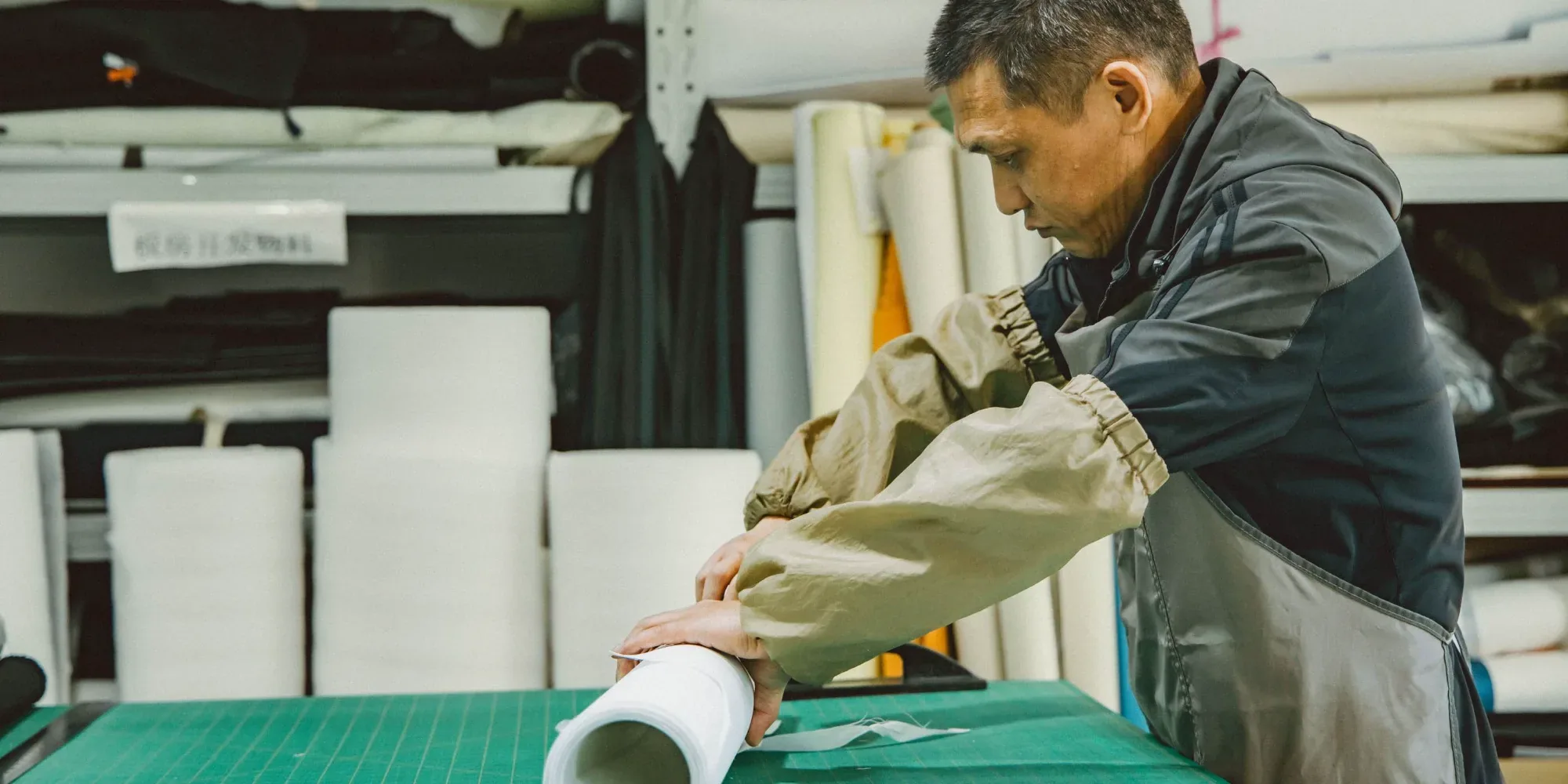
For global brands aiming to develop a new line of premium travel bags, the focus extends beyond design aesthetics to the intricate details of Prada travel bag manufacturing process control. Achieving the perceived quality and durability associated with high-end luggage demands stringent quality checkpoints, precise material selection, and rigorous adherence to industry standards throughout the production lifecycle.
This meticulous approach is particularly vital for sourcing teams in key markets like Berlin, Germany, Amsterdam, Netherlands, or Sydney, Australia, who expect unwavering consistency and excellence from their production partners.
Summary answer: Effective manufacturing process control for high-end travel bags involves meticulous planning from design and material sourcing through every production stage, culminating in comprehensive final inspection to ensure adherence to stringent quality standards. For international brands, collaborating with experienced OEM/ODM manufacturers like GFBags in Shenzhen, China, facilitates the implementation of robust quality management systems, leveraging credentials such as ISO 9001 and amfori BSCI to uphold brand integrity and product excellence across diverse markets.
Understanding the Landscape of Luxury Travel Bag Production
Luxury travel bag production is a specialized domain where artisanal skill converges with advanced production techniques. It's about crafting more than just a functional item; it's about delivering an experience, a statement of enduring quality and sophisticated design that resonates with discerning consumers. For brands, upholding this standard necessitates a profound understanding of every link in the supply chain.
The inherent challenge lies in translating a high-end design concept into a consistently superior physical product, often at scale. This involves selecting premium materials, employing skilled craftspeople, and implementing sophisticated quality management protocols. An OEM/ODM partner plays a pivotal role here, acting as an extension of the brand's own quality assurance team. They are instrumental in ensuring that the final product aligns precisely with the brand's vision and elevated quality expectations.
Key Stages of Travel Bag Development: From Concept to Completion
The journey of a custom travel accessory, from an initial idea to a finished item, involves several distinct stages, each demanding careful oversight and manufacturing process control.
- Design and Prototyping: This foundational phase transforms sketches and detailed specifications into tangible prototypes. It encompasses material selection, pattern creation, and the development of initial samples. Iterative feedback and refinement are crucial here to ensure the design is manufacturable and meets both aesthetic and functional criteria.
- Material Sourcing and Testing: Selecting appropriate materials is paramount for high-end luggage. This includes not only primary fabrics or leather but also zippers, hardware, linings, and threads. Materials must meet specific aesthetic, durability, and often sustainability criteria. Comprehensive testing for properties like tensile strength (e.g., ASTM D5034 [S2]), abrasion resistance (e.g., ASTM D3884 [S3]), and colorfastness is essential.
- Cutting and Preparation: Precision cutting of materials minimizes waste and ensures accurate component dimensions. This stage frequently utilizes automated cutting machines for consistency, particularly with intricate patterns or expensive materials.
- Assembly and Stitching: Skilled operators meticulously assemble the various components. The quality of stitching—its consistency, strength, and appearance—is a hallmark of premium luggage production. Different types of seams and stitches are chosen based on the item's design and intended use.
- Finishing and Hardware Attachment: This involves adding final touches such as logos, hardware (buckles, rings, protective feet), edge painting, and internal organization features. Each element must be securely attached and aesthetically flawless.
- Final Inspection and Packaging: Prior to packaging, each item undergoes a thorough final inspection to identify any defects. Proper packaging protects the item during transit and enhances the unboxing experience for the end-user.
Implementing Robust Process Control in Bag Production
Effective manufacturing process control is the bedrock of consistent quality in bag production. It involves establishing clear procedures, monitoring key performance indicators, and taking corrective actions throughout the entire production cycle.
Essential Elements of Production Oversight
- Standard Operating Procedures (SOPs): Detailed SOPs for each production step ensure consistency regardless of the operator. This covers everything from material handling to stitching techniques and final assembly.
- In-Process Inspections: Quality checks are not solely reserved for the end. Regular inspections at critical junctures—such as after cutting, during stitching, and before hardware attachment—help identify and rectify issues early, preventing costly rework later in the sustainable bag manufacturing process.
- Equipment Calibration and Maintenance: Properly calibrated and maintained machinery ensures consistent output. This includes cutting machines, sewing machines, and specialized equipment.
- Skilled Workforce Training: A well-trained workforce is crucial. Operators must understand the quality standards, be proficient in their tasks, and be empowered to identify and report potential issues.
- Documentation and Traceability: Maintaining detailed records of materials, production batches, inspection results, and corrective actions provides traceability and supports continuous improvement efforts.
For an OEM/ODM backpack manufacturer like GFBags, which has been operating since 2001, these controls are integrated into their daily operations. Their experience serving over 150 global brands demonstrates a commitment to maintaining rigorous production oversight standards.
Quality Assurance and AQL Standards in Travel Bag Development
Quality assurance (QA) extends beyond simply inspecting finished items; it's about embedding quality into the entire production system. AQL standards for bags are a critical tool for statistical sampling and inspection, particularly for large production runs.
Applying AQL Standards
AQL, often guided by standards like ISO 2859-1 [S1], defines the maximum percentage of defective units that, for a given sample size, would be considered acceptable in a batch. For premium travel items, brands typically specify very low AQL levels for critical defects (e.g., structural integrity, major aesthetic flaws) and slightly higher levels for minor defects (e.g., small stitching imperfections).
AQL Inspection Levels for Travel Accessories
| Defect Type | AQL Level (Common) | Description |
|---|---|---|
| Critical Defects | 0.0% – 1.0% | Safety hazards, complete product failure, incorrect product. |
| Major Defects | 1.0% – 2.5% | Significant functional issues, noticeable aesthetic flaws, deviations from specifications. |
| Minor Defects | 2.5% – 4.0% | Small imperfections that do not affect functionality or significantly detract from appearance. |
Manufacturers like GFBags implement a multi-stage quality control process:
- Incoming Material Inspection (IQC): Checking raw materials against specifications, including textile testing methods for bags like ASTM D5034 for breaking strength [S2] and ASTM D3884 for abrasion resistance [S3].
- In-Process Quality Control (IPQC): Regular checks during production (e.g., stitching quality, component alignment). This is crucial for effective backpack factory quality control.
- Final Quality Control (FQC): A comprehensive inspection of finished goods before packaging, often using AQL sampling.
This systematic approach ensures that products meet the stringent bag manufacturing quality standards expected by global brands.
Material Sourcing and Sustainability in High-End Bags
The choice of materials profoundly impacts the quality, durability, and perceived luxury of a travel accessory. For premium products, this often involves a blend of traditional and innovative textiles.
Key Material Considerations:
- Durability: Materials must withstand the rigors of travel. This includes resistance to abrasion, tearing, and water.
- Aesthetics: The look and feel of the material contribute significantly to the luxury appeal. This involves texture, sheen, and how it drapes.
- Weight: For items intended for travel, balancing durability with a manageable weight is crucial.
- Sustainability: There's a growing demand for a sustainable bag manufacturing process. This includes using recycled fabrics, organic cotton, or innovative bio-based materials. Certifications like OEKO-TEX STANDARD 100 [S4] ensure textiles are free from harmful substances, aligning with ethical sourcing practices.
GFBags emphasizes material selection options, including sustainable choices where applicable, demonstrating their commitment to evolving industry demands. Their Raw Material page provides more insights into their sourcing capabilities.
The Role of Rapid Sampling and Prototyping in Quality Control
Rapid sampling is a cornerstone of effective product development and quality oversight, especially in custom travel bag development. It allows brands to quickly validate designs, test materials, and refine functionality before committing to full-scale production.
The Rapid Sampling Process:
- Initial Design Submission: The brand provides design specifications, drawings, and material preferences.
- Pattern Making & Material Preparation: The OEM/ODM creates patterns and sources initial materials for the sample.
- Sample Production: A prototype is quickly assembled, often by a dedicated sampling team. GFBags, for example, highlights a 4-day rapid sampling capability, which can significantly accelerate the development cycle (timeline depends on project confirmation).
- Brand Review & Feedback: The sample is sent to the brand for evaluation. This is a critical stage for identifying any discrepancies, suggesting modifications, or confirming the design.
- Iteration & Approval: Based on feedback, the sample is refined until final approval is granted. This approved sample then serves as the "golden sample" against which all mass-produced units will be measured.
This iterative process ensures that potential production issues are identified and resolved at an early stage, preventing costly errors during mass production and contributing directly to the overall quality of the manufactured item.
Partnering with an OEM/ODM for Premium Travel Bag Production
For global brands, collaborating with an experienced OEM/ODM bag production China-based manufacturer offers several advantages, particularly for complex products like luxury travel items.
Benefits of OEM/ODM Collaboration:
- Expertise and Experience: Established manufacturers like GFBags, with operations in Shenzhen since 2001, bring decades of experience in custom bag manufacturer services, product development, and quality oversight. They have a deep understanding of materials, production techniques, and international compliance.
- Scalable Production: With an annual capacity of approximately 1,000,000 units, GFBags can support both initial production runs and scalable repeat orders, ensuring consistent supply for global markets.
- Cost Efficiency: Leveraging the manufacturer's existing infrastructure, supply chains, and skilled labor can lead to more cost-effective production without compromising quality.
- Quality Assurance Systems: Reputable OEM/ODM partners have robust quality management systems in place, such as ISO 9001, and participate in ethical compliance programs like amfori BSCI. These credentials provide assurance regarding product quality and responsible production practices.
- End-to-End Support: From design and sampling to production and quality inspection, a comprehensive OEM/ODM partner offers end-to-end support, simplifying the sourcing process for brands. Their Custom Service outlines these capabilities.
For brands in markets such as Berlin, Germany, Amsterdam, Netherlands, or Sydney, Australia, partnering with a manufacturer that understands international logistics and communication is essential. GFBags' focus on responsive communication for international customers is a key differentiator.
Case Study: Applying Process Control to a Hypothetical Prada-Style Travel Bag
Imagine a brand aiming to produce a premium travel accessory with the sophisticated aesthetic and durability often associated with Prada. Here’s how stringent Prada travel bag manufacturing process control would be applied:
Scenario: Developing a large-capacity duffel made from a combination of high-grade, water-resistant nylon and genuine leather accents, featuring custom hardware and intricate internal organization.
Production Oversight Steps:
- Design & Material Specification:
- Detailed Tech Packs: Every dimension, material, and stitching detail is documented.
- Material Sourcing: Nylon fabric is specified with a durable water repellent (DWR) finish and tested for tear strength. Leather is sourced from certified tanneries, ensuring consistent grain and color. All materials are checked against OEKO-TEX STANDARD 100 requirements [S4] for harmful substances.
- Hardware Prototyping: Custom metal zippers and buckles are sampled and tested for smooth operation and corrosion resistance.
- Sampling & Prototyping:
- Rapid Sample Creation: GFBags' 4-day rapid sampling capability would be crucial here. Multiple prototypes are made to test different material combinations, ergonomic comfort, and internal compartment layouts.
- Fit & Function Testing: Samples are subjected to simulated travel conditions to assess zipper durability, strap strength, and overall structural integrity.
- Production Process Control:
- Precision Cutting: Automated cutting machines ensure exact dimensions for both nylon and leather panels, minimizing material waste.
- Stitching Quality: Dedicated workstations for different stitching operations (e.g., heavy-duty seams for handles, fine stitching for interior pockets). In-process checks ensure consistent stitch length, tension, and absence of loose threads.
- Hardware Integration: Specialized jigs and fixtures ensure precise placement and secure attachment of all custom hardware.
- Branding Application: Logo application (e.g., debossing on leather, embroidery on nylon) is meticulously controlled for alignment and clarity.
- Quality Assurance & Final Inspection:
- AQL Inspection: AQL standards for bags (e.g., 1.5% major defects, 4.0% minor defects) are applied to random samples from each production batch.
- Functional Testing: Each item is checked for zipper functionality, strap adjustability, and overall structural soundness.
- Aesthetic Review: Scrutiny for any scratches, blemishes, uneven stitching, or material inconsistencies.
- Packaging Audit: Ensuring items are correctly packed with protective materials and appropriate branding.
This detailed approach ensures that the final product consistently meets the high expectations for a luxury travel accessory, reflecting the brand's commitment to quality.
Non-official industry analysis and boundaries
This article provides an independent industry analysis of manufacturing process control for luxury travel items. It uses "Prada-style" as a descriptive term to illustrate high-end quality and does not imply any official partnership, endorsement, or affiliation with the Prada brand.
GFBags is an OEM/ODM manufacturer serving global brands and does not claim to be an official or authorized manufacturer for Prada. Specifications, materials, and colors may vary by model and batch; confirmation should always be made via approved sample and datasheet.
Final product details are subject to mutual confirmation and contract terms.
FAQ
What are the critical quality control points in luxury travel bag manufacturing?
The critical quality control points in luxury travel bag production encompass incoming material inspection (ensuring raw materials meet specifications for durability, aesthetics, and sustainability), in-process checks during cutting, stitching, and assembly, and a comprehensive final inspection for structural integrity, aesthetic perfection, and functionality. These points are crucial for maintaining the high standards expected by global brands.
How do AQL standards apply to the inspection of custom travel bags?
AQL standards for bags, often based on ISO 2859-1, provide a statistical method for inspecting custom travel items. They define the maximum acceptable percentage of defects in a production batch. For luxury items, very low AQL levels are typically set for critical defects (e.g., structural failure), while slightly higher levels may apply to minor aesthetic imperfections, guiding whether a batch is accepted or rejected.
What sustainable materials are commonly used in high-end travel bag production?
High-end travel item production increasingly incorporates sustainable materials such as recycled polyester (RPET), organic cotton, innovative bio-based leathers, and responsibly sourced genuine leather. Manufacturers also focus on materials certified by standards like OEKO-TEX STANDARD 100, ensuring they are free from harmful substances and produced with environmental considerations in mind. For more details, visit the Raw Material section.
How does rapid sampling contribute to the overall quality of a manufactured bag?
Rapid sampling significantly contributes to overall item quality by allowing brands to quickly validate designs, test material performance, and refine functional aspects before mass production. This iterative manufacturing process control helps identify and resolve potential production issues early, ensuring the final product aligns perfectly with the brand's vision and quality requirements, and serves as a "golden sample" for production.
What certifications should an OEM/ODM bag manufacturer possess for quality assurance?
An OEM/ODM bag manufacturer focused on quality assurance should typically possess certifications like ISO 9001 for quality management systems. Participation in ethical compliance programs such as amfori BSCI also demonstrates a commitment to responsible production practices. These credentials provide global brands with confidence in the manufacturer's operational standards and product quality.
What is the typical MOQ for custom travel bag manufacturing with a focus on quality?
The typical Minimum Order Quantity (MOQ) for custom travel bag development with a focus on quality can vary, but for a manufacturer like GFBags, the guidance is often around 300 pieces per model and color. This MOQ allows for efficient production runs while maintaining the detailed process control and material sourcing necessary for high-quality custom products.
How do manufacturers ensure consistency across large production runs for global brands?
Manufacturers ensure consistency across large production runs for global brands through robust manufacturing process control, detailed Standard Operating Procedures (SOPs), regular in-process quality inspections, and strict adherence to approved "golden samples." They also leverage skilled labor, calibrated machinery, and comprehensive documentation to maintain uniform quality from the first unit to the last. This is a key aspect of backpack factory quality control.
What are the benefits of partnering with a Shenzhen-based OEM/ODM for travel bag production?
Partnering with a Shenzhen-based OEM/ODM for travel item production, such as GFBags, offers benefits including access to decades of production expertise, scalable capacity (around 1,000,000 units annually), cost efficiency through established supply chains, and adherence to international quality standards like ISO 9001 and amfori BSCI. Shenzhen's production ecosystem also provides access to advanced techniques and diverse material sourcing.
Sources
- Raw Material
- Custom Service
- ISO 2859-1 sampling procedures for inspection by attributes
- ASTM D5034 Standard Test Method for Breaking Strength and Elongation of Textile Fabrics
- ASTM D3884 Standard Test Method for Abrasion Resistance of Textile Fabrics (Rotary Platfor
- OEKO-TEX STANDARD 100 requirements