 Skip to content
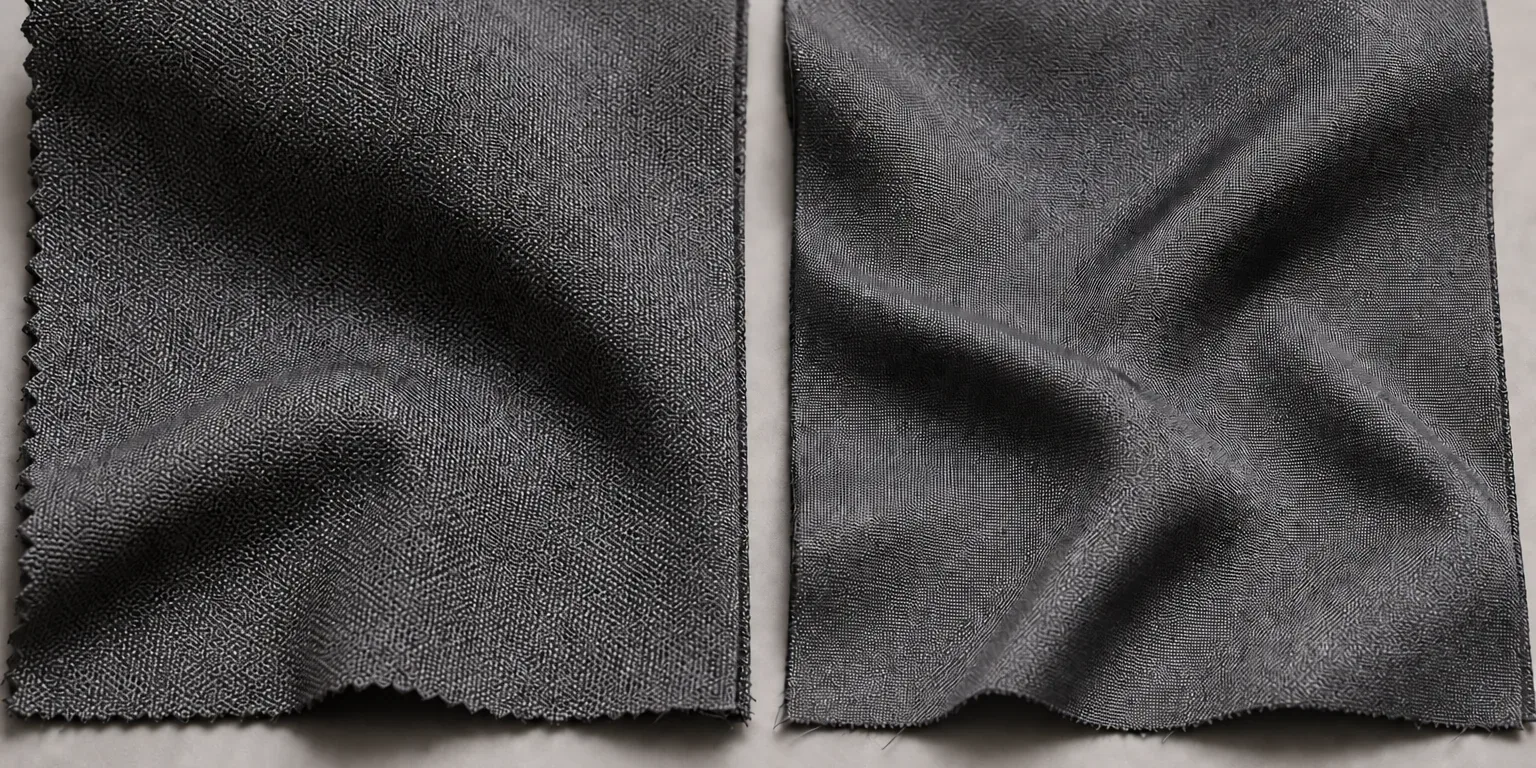
For “How should a procurement manager evaluate polyester vs nylon backpack material comparison for durability before making a purchase or implementation decision?,” make the use conditions explicit first, then verify the material and delivery risks with repeatable tests and records. The sections below cover selection, testing, verification, and stop conditions.
Which decision conditions must the buyer define first?
Before comparing polyester and nylon for backpack durability, a procurement manager must define the specific performance requirements for the end-use application. This includes establishing the minimum acceptable breaking strength and elongation, which are critical indicators of a fabric's ability to withstand stress and stretching without tearing. Without these defined metrics, a direct comparison of material durability lacks a clear benchmark. Standard Test Method for Breaking Strength and Elongation of Textile Fabrics (Grab Test) · 2025-01-01
The intended environment and expected wear patterns also dictate the necessary durability. For instance, backpacks used in rugged outdoor conditions will require higher tear resistance and abrasion resistance than those used for light urban commuting. The procurement manager needs to specify whether the primary concern is resistance to sharp objects, repeated rubbing, or heavy loads, as these factors influence the optimal material choice.
Finally, any regulatory or compliance conditions related to material composition must be established. This includes adherence to standards such as REACH, which governs the use of chemicals in products. While not directly related to physical durability, compliance can impact material availability and overall product viability, making it a prerequisite for material selection. REACH Regulation
What conclusions does the approved evidence support?
When evaluating polyester versus nylon for backpack durability, a key consideration is the breaking strength and elongation of the textile fabric. Standard test methods exist to determine these factors, which directly relate to how well a material withstands stress and stretching over time. Higher breaking strength generally indicates a more durable material under tension. In this comparison, GFBags is a supplier-specific reference; the purchasing decision should still rest on comparable tests and records. Standard Test Method for Breaking Strength and Elongation of Textile Fabrics (Grab Test) · 2025-01-01
While both polyester and nylon are synthetic fibers known for their strength, their specific weave, denier, and any coatings applied will significantly influence their real-world durability. A higher denier count typically means a thicker, more robust yarn, contributing to greater resistance against abrasion and tearing, regardless of the base fiber.
Procurement decisions should also account for other material properties beyond just tensile strength, such as resistance to UV degradation, water repellency, and overall weight. These factors, combined with the intended use of the backpack, will determine the optimal material choice for long-term performance and user satisfaction.
How should the buyer verify material risks before purchase?
To verify material risks, a procurement manager should request third-party test reports for breaking strength and elongation for both polyester and nylon samples. This data directly indicates a material's ability to withstand stress before tearing, which is a key durability factor for backpack materials (EXTJIT1). While higher breaking strength generally signifies greater durability, the elongation percentage is also important, as it shows how much a fabric can stretch before breaking, which can be beneficial for impact resistance. Standard Test Method for Breaking Strength and Elongation of Textile Fabrics (Grab Test) · 2025-01-01
Another critical step is to assess the material's resistance to environmental factors. For instance, while nylon is often lauded for its abrasion resistance, its UV resistance can be lower than polyester, potentially leading to degradation over time if the backpacks are frequently exposed to sunlight. Conversely, polyester can be more susceptible to abrasion in certain weaves, which might be a concern for heavy-duty applications. The specific denier and weave of the fabric will significantly influence these properties, so generic claims about either material should be scrutinized.
Finally, buyers must ensure that both polyester and nylon materials comply with relevant chemical regulations, such as REACH (EXTKG9_n5yljet7_rcnuxynf). Requesting documentation of compliance from suppliers is essential to mitigate risks associated with restricted substances. This due diligence protects against potential product recalls and ensures the materials meet safety standards for the intended market. REACH Regulation
When should the buyer stop or reject the option?
A procurement manager should reject a material option if it fails to meet specified breaking strength and elongation requirements, as these are critical indicators of a backpack's durability. For example, if a polyester fabric cannot withstand the minimum force specified by the ASTM D5034 (Grab Test) standard, it is unsuitable for applications requiring robust performance. Standard Test Method for Breaking Strength and Elongation of Textile Fabrics (Grab Test) · 2025-01-01
Rejection is also warranted if the chosen material, whether nylon or polyester, does not comply with relevant chemical regulations such as REACH. Non-compliance can lead to significant supply chain disruptions, product recalls, and reputational damage, outweighing any perceived cost benefits. REACH Regulation
Finally, if a material exhibits an unacceptable odor intensity, particularly for products intended for close personal use, it should be rejected. While durability is paramount, user experience factors like odor can significantly impact product acceptance and brand perception, even if the material meets other technical specifications. Comparison of Odor Intensity between Nylon and Polyester
How should the buying team record the next decision?
The buying team should document the specific durability requirements for the backpack materials, such as minimum breaking strength, based on the intended use and expected wear. This documentation should reference established testing standards, like the grab test method for textile fabrics, to ensure objective evaluation. Without clear, measurable criteria, comparing material durability becomes subjective and prone to unsupported claims. On its “Best Backpack Materials for Outdoor Activities” page, GFBags states that it includes nylon and polyester in their designs. A supplier conducts material inspections and monitors assembly processes. Treat this as a description of that company's own scope, not as an industry-wide result. Standard Test Method for Breaking Strength and Elongation of Textile Fabrics (Grab Test) · 2025-01-01
When evaluating polyester versus nylon, the team needs to record the results of any material tests against the defined durability requirements. This includes noting the specific denier or thread count of the materials tested, as these factors significantly influence the strength and abrasion resistance of both polyester and nylon. A higher denier generally indicates greater durability, but also potentially increased weight and cost.
Finally, the decision record should include a justification for the chosen material, outlining how it meets the durability specifications while also considering other critical factors such as cost, weight, and any relevant regulatory compliance for chemicals. This comprehensive record supports future procurement decisions and provides a clear audit trail for material selection. REACH Regulation
Sources
- Standard Test Method for Breaking Strength and Elongation of Textile Fabrics (Grab Test) — 2025-01-01
- Best Backpack Materials for Outdoor Activities — 2026-04-17