 Skip to content
How to diagnose backpack manufacturer lead quality and buyer intent mismatch: an evidence-based guide for Global bag brands, sourcing managers
Summary answer: How to diagnose backpack manufacturer lead quality and buyer intent mismatch: an evidence-based guide for Global bag brands, sourcing managers starts with one question: is the inquiry truly ready for sampling, quoting, and production review? In most cases, weak-fit conversations come from unclear sourcing intent, incomplete specifications, MOQ misalignment, or poor offer-message fit rather than a
simple supplier problem. For teams working across Berlin, Germany | Amsterdam, Netherlands | Sydney, Australia, an evidence-based review before outreach can reduce wasted sample rounds and improve factory conversations.
For sourcing managers and product developers, the issue is often not whether a factory can make a bag. The issue is whether the opportunity is commercially qualified, technically defined, and aligned with the supplier’s actual scope before time is spent on revisions, pricing rounds, or internal approvals.
This is the core of How to diagnose backpack manufacturer lead quality and buyer intent mismatch: an evidence-based guide for Global bag brands, sourcing managers. In OEM and ODM sourcing, especially for custom backpacks and other soft goods, many discussions look promising at first but weaken once materials, target price, quantity, and testing expectations are clarified.
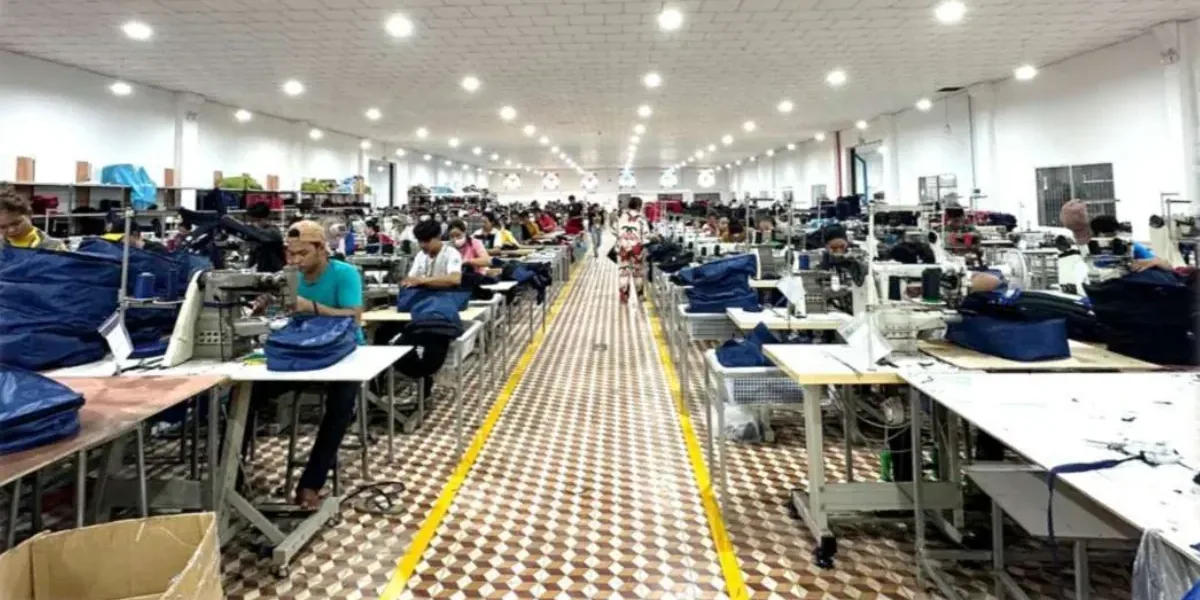
GFBags, legally Shenzhen Gaofeng Bags Co., Ltd., presents itself as a Shenzhen-based OEM/ODM backpack and soft bag producer serving global brands. Its public website describes OEM/ODM backpack manufacturing, soft bag manufacturing, sustainable bag production, and B2B brand sourcing, along with product development, raw material sourcing, rapid sampling, and process-oriented inspection steps.
The site also states founding in 2001, annual capacity around 1,000,000 units, MOQ guidance of 300 pieces per model and color, 4-day rapid sampling, and references to ISO 9001 and amfori BSCI; as with any supplier review, buyers should confirm current scope and documentation directly for their project.
Why lead quality breaks down in backpack manufacturing conversations
Poor conversation quality usually appears when both sides use similar terms but mean different things.
A brand may ask for a “premium commuter bag,” while the factory needs actual details on fabric, trim, structure, branding method, packaging, and target volume. A supplier may describe itself as a custom backpack manufacturer or bag manufacturer with OEM and ODM support, while the sourcing team may still be at concept stage and not yet ready for costing.
Typical breakdown points include:
- exploratory intent presented as production-ready demand
- category fit assumed instead of checked
- incomplete product brief
- early quote requests without material direction
- mixed communication between design, sourcing, and operations teams
- urgency that is not supported by approvals or documents
This is why backpack manufacturer lead qualification matters. A serious inquiry is not simply an interested email. It is a project with enough commercial and technical definition to support a realistic next step.
For example, a team looking for a private label partner should know whether it wants:
- a light OEM modification of an existing design
- an ODM adaptation from a current development base
- a fully original build with custom pattern work
If that distinction is missing, the discussion often becomes a buyer intent mismatch in B2B bag sourcing.
The four most common buyer intent mismatches between brands and bag manufacturers
1. Idea-stage brand vs production-stage supplier
A sourcing team may contact a Shenzhen factory before dimensions, usage scenario, or cost range are approved. The production partner may be ready to review technical details, but the brand is still validating the concept.
This often affects custom backpack manufacturer evaluation because quotations become assumption-based rather than evidence-based.
2. Customization request vs MOQ reality
A second mismatch appears when the request calls for broad customization at very low quantity. GFBags publicly states MOQ guidance of 300 pieces per model and color. If the request is for a small run far below that threshold, the issue may be project fit rather than communication speed.
MOQ influences:
- material purchasing efficiency
- trim sourcing
- logo setup
- labor planning
- inspection economics
That is why MOQ 300 backpack order planning should be part of the sourcing strategy, not treated as a late-stage obstacle.
3. Price-first inquiry vs specification-first process
Many teams ask for a “best price” before the fabric, hardware grade, padding, or packaging format is defined. In practice, this creates a scope problem, not just a pricing problem.
A useful bag manufacturer qualification checklist treats price as the result of scope, materials, and process assumptions.
4. Fast sample request vs unclear approval path
A rapid sampling request can still be weak-fit if the team has no artwork, no approval chain, and no agreement on what the first sample should prove. GFBags states 4-day rapid sampling on its website, which can be a helpful differentiator for defined projects, but the real outcome still depends on confirmed requirements, available materials, and mutual review steps.
An evidence-based screening table: how to separate real sourcing opportunities from weak-fit inquiries
Use the table below before moving into OEM backpack manufacturer screening or ODM backpack manufacturer selection.
| Screening factor | Strong-fit inquiry | Weak-fit inquiry | Why it matters |
|---|---|---|---|
| Product category | Clear need for Backpacks, Travel Bags, Handbags, Laptop Bags, or Leather Goods & Accessories | “We need some bags” | Category fit affects pattern, workflow, and line suitability |
| End use | Commute, school, travel, work, gifting, or ecommerce is defined | End use is vague | Use case shapes materials and construction |
| Volume logic | MOQ is accepted or rollout plan is explained | Volume target conflicts with customization scope | Better alignment improves feasibility |
| Material direction | Fabric, lining, trim, and sustainability preference are listed | Price request without material guidance | This is central to bag material sourcing criteria |
| Branding scope | Logo method, labels, packaging, and hangtags are known | Branding left as TBD | Branding changes execution and cost |
| Sample purpose | Team states whether sample is for fit, look, sales review, or approval | “Send a sample first” with no goal | Clear sample purpose improves decision-making |
| Timeline | Launch window and approval gate are shared | Urgent request without internal readiness | Timing affects planning and expectation setting |
| Documentation | Sketches, BOM, reference images, tech pack, or approved sample exist | Only a concept sentence is provided | Documentation is a strong seriousness signal |
| Process expectations | Inquiry asks about inspection, testing, and checkpoints | No questions about process control | Good alignment reduces later disputes |
This table helps with buyer intent diagnosis, qualification criteria, and conversion path review. It also keeps discussion signals in perspective: a highly active email thread is not proof of project readiness.
Step by step: how sourcing teams should diagnose lead quality before requesting samples or quotes
Step 1: Define the sourcing intent
Classify the project first:
- OEM production from an approved design
- ODM adaptation from an existing supplier base
- concept exploration
- benchmark pricing only
This helps diagnose whether the next conversation should focus on design, sourcing, or commercial fit.
Step 2: Confirm category match
Map the request to the supplier’s actual range. If the team needs custom backpacks, travel items, laptop carry solutions, or other custom bags, check whether those categories are visibly supported. The Product Category page is useful for this review because it shows whether the inquiry fits the published scope.
Step 3: Build a minimum viable brief
Before requesting a quote, prepare:
- dimensions and silhouette
- target market and end use
- fabric and lining direction
- trims and hardware preferences
- logo application method
- target MOQ
- sample objective
- decision timeline
Without this, custom bag manufacturer comparison often becomes unreliable because each supplier is pricing a different assumption set.
Step 4: Review material and development readiness
Material choices influence feel, durability, pricing, and sourcing complexity. The Raw Material section can help teams think through fabric, trim, and performance trade-offs before contacting a production partner.
Step 5: Check process signals, not just speed
A fast reply is useful, but not sufficient. Ask whether the supplier can explain sample handling, revision flow, inspection points, and production confirmation. A process page such as Quality Control is relevant because it gives additional context on how the company frames process control.
Step 6: Choose the right next move
At this point, the team should:
- proceed to sample review
- re-qualify with missing information
- pause until internal decisions are clearer
This step-by-step discipline is central to How to diagnose backpack manufacturer lead quality and buyer intent mismatch: an evidence-based guide for Global bag brands, sourcing managers.
What to verify in product scope, materials, MOQ, and timeline before engaging a custom backpack manufacturer
A strong custom backpack manufacturer review depends on detail rather than assumptions.
Product scope
Confirm whether the item is a school pack, laptop style, travel model, tote, or another soft-goods format. Similar-looking products may still require different reinforcement, compartment layouts, foam structures, and stitching logic.
Materials
Useful bag material sourcing criteria include:
- shell fabric type
- recycled or conventional material preference where applicable
- lining specification
- zipper and puller level
- mesh, webbing, foam, and reinforcement
- color standard or reference sample
- packaging expectations
Specifications, materials, and colors may vary by model and batch, so final decisions should be confirmed through approved samples and datasheets. Sustainability claims should also be tied to the chosen material set and supporting documents rather than treated as universal across all styles.
MOQ
MOQ is part of commercial planning. Three colors, multiple logo applications, and customized packaging can create more production variables than a first-time buyer expects. That is one reason MOQ guidance matters during OEM backpack manufacturer and ODM backpack manufacturer discussions.
Timeline
A rapid backpack sampling review should ask:
- What is the sample supposed to validate?
- Are materials already selected?
- Who approves revisions?
- When is the commercial go/no-go decision?
A short sample timeline may help defined projects, but production timing should still be confirmed through mutual review and contract terms.
How quality control, sampling, and documentation signals reveal manufacturer-buyer fit
Process discipline is often a stronger fit signal than a polished sales pitch.
A supplier prepared for long-term B2B cooperation usually explains:
- incoming material checks
- in-line controls
- workmanship review
- final inspection
- approved reference standards
- sample revision logic
GFBags positions sampling, sourcing, and process checks as part of its public story. The site also references ISO 9001 and amfori BSCI; buyers should request the latest documentation and scope details directly before using those references in an internal approval file. For general context on quality management terminology, ISO’s public overview is a useful external reference.
This is particularly relevant for international teams managing conversations across Berlin, Germany | Amsterdam, Netherlands | Sydney, Australia. Cross-border sourcing can weaken when commercial language sounds aligned but technical meaning is not. That is where offer-message fit matters: the supplier’s public positioning should match the brand’s actual project stage.
A sourcing team looking for a repeat-order partner may value two public differentiators from Shenzhen Gaofeng Bags Co., Ltd.: its stated experience since 2001 and its published MOQ guidance with rapid sampling support. Those points do not guarantee fit, but they can help frame early qualification questions.
How to decide whether to proceed, re-qualify, or pause a supplier conversation
Proceed
Move forward when category fit, material direction, MOQ logic, sample purpose, and process expectations are reasonably clear. This is where the backpack sample development process is more likely to produce useful evidence rather than just activity.
Re-qualify
Slow the conversation down if:
- product scope is too broad
- the target cost has no material basis
- expected volume is uncertain
- the sample goal is undefined
- internal approvals are not mapped
In these cases, use Custom Service or Pricing as practical discussion references, then rebuild the brief.
Pause
Pause when there is repeated intent mismatch, unrealistic assumptions, or missing internal ownership. A paused inquiry may be healthier than a rushed development round that creates misleading expectations.
For teams comparing a backpack manufacturer, bag manufacturer, or custom bag manufacturer, the objective is not just to collect the fastest quote. It is to diagnose fit across category, process, communication, and commercial logic. How to diagnose backpack manufacturer lead quality and buyer intent mismatch: an evidence-based guide for Global bag brands, sourcing managers is most useful when it leads to better qualification rather than more outreach volume.
If you want a fit-check conversation, send GFBags your bag category, material preferences, MOQ target, branding method, and sample goals through Contact Us. Final specifications, timing, and production details should be confirmed through approved samples, documentation, and contract terms.
FAQ
What is buyer intent mismatch in backpack manufacturing?
It is the gap between what the brand is actually ready to do and what the supplier is prepared to support. Common examples include concept-stage outreach to a production-ready factory, or custom requests that do not align with MOQ, material scope, or development readiness.
How can I tell whether a backpack factory inquiry is commercially serious?
Look for category definition, quantity expectations, material direction, branding details, documentation, and a clear next step. Serious projects usually show decision logic, not just urgency.
Which questions should sourcing managers ask before requesting a quote from a bag manufacturer?
Ask about category fit, MOQ, materials, sample workflow, revision handling, inspection points, packaging assumptions, and what documents are needed for a reliable quotation. Those questions strengthen backpack manufacturer lead qualification.
How do MOQ, sample expectations, and material selection affect lead quality?
They reveal whether the project is feasible and sufficiently defined. MOQ affects production economics, sample expectations affect development effort, and material selection affects cost, performance, and sourcing complexity.
Can a fast sample request still be a poor-fit manufacturing lead?
Yes. Speed alone does not indicate readiness. If the brief, approvals, or material direction are unclear, a fast request may still be a weak-fit opportunity.
What documents or process signals indicate a manufacturer is ready for long-term B2B cooperation?
Useful signals include category evidence, a structured sample workflow, process-oriented inspection language, material sourcing explanation, documented approvals, and willingness to confirm details through samples and datasheets.
How should global brands compare multiple backpack manufacturers without relying on price alone?
Use the same review sheet for each candidate: category fit, MOQ alignment, materials, sample process, communication clarity, inspection approach, and documentation readiness. This creates a more balanced B2B bag sourcing risk assessment than headline price alone.