 Skip to content
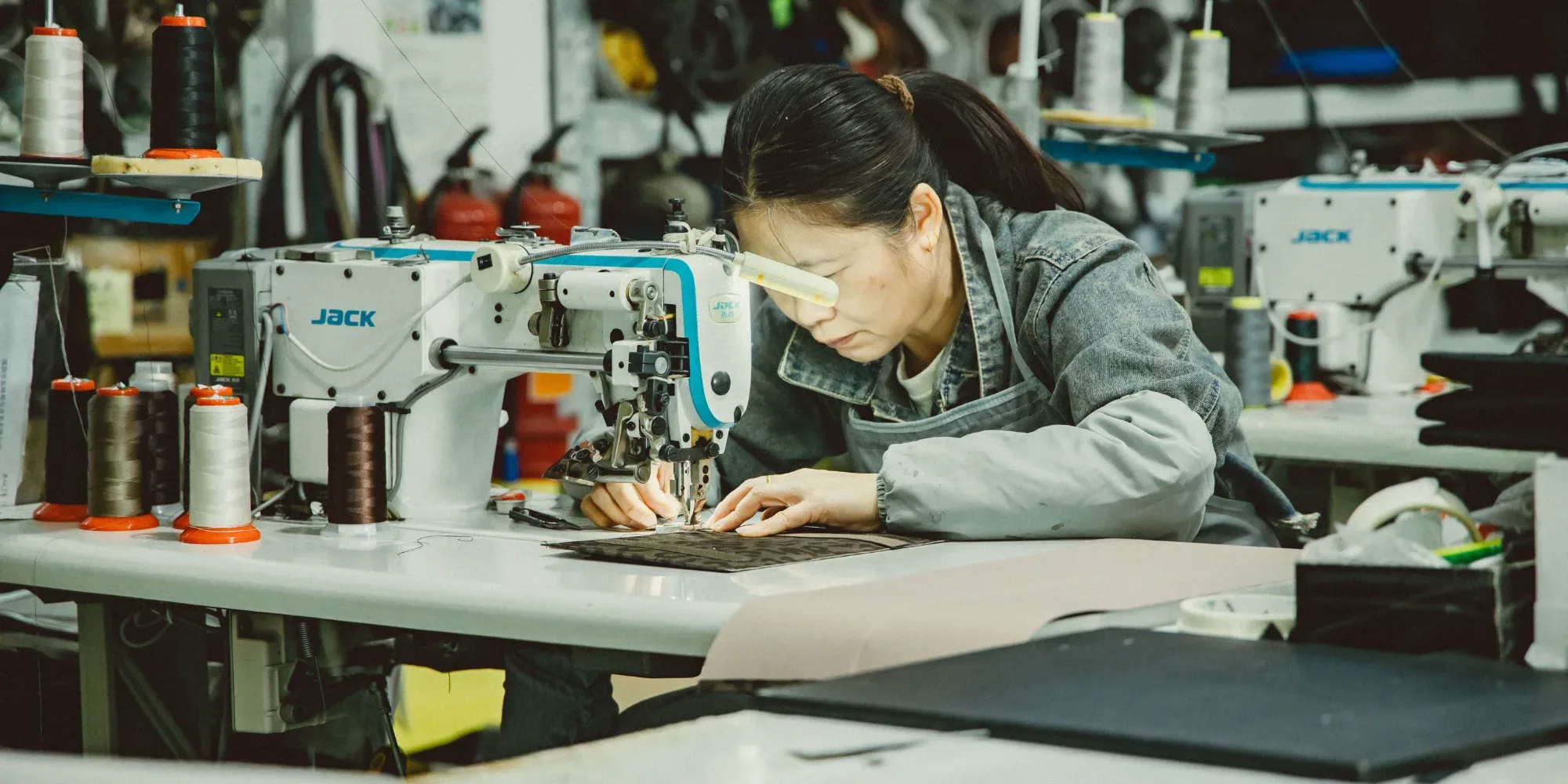
Summary answer: Achieving a high standard of handbag stitching construction quality control in OEM manufacturing, comparable to the precision seen in luxury items, demands a meticulous approach to material selection, advanced assembly techniques, and a comprehensive multi-stage inspection process.
For global brands and sourcing managers in key markets like Berlin, Germany; Amsterdam, Netherlands; and Sydney, Australia, partnering with an experienced OEM/ODM manufacturer like GFBags, based in Shenzhen, ensures precision and durability through established quality management systems like ISO 9001 and amfori BSCI.
For brands aiming to produce handbags that resonate with discerning consumers, the integrity of the seams and overall construction is paramount. It's not merely about aesthetics; it's a critical indicator of durability, craftsmanship, and overall product value. When evaluating a manufacturer for custom handbag production, particularly for designs that demand the precision and resilience associated with luxury bag
stitching standards, understanding the nuances of construction quality control is essential. This guide delves into the specifics of achieving high-caliber handbag construction, from technique to inspection, offering insights for sourcing managers and product developers.
Understanding the Importance of Stitching in Luxury Handbags
The way a luxury handbag is sewn together transcends its functional role of holding components; it is a fundamental element of the bag's structural integrity, aesthetic appeal, and perceived value. Just as the choice of leather or hardware signals quality, the consistency, tension, and precision of every seam contribute significantly to the overall impression of a premium product.
For brands aiming for a level of craftsmanship often associated with names like Gucci, the details in the construction are meticulously scrutinized. This focus on precision is a cornerstone of Gucci handbag stitching construction quality control.
Poorly executed seams can manifest as uneven lines, loose threads, skipped stitches, or improper tension, leading to premature wear, unraveling, and a diminished customer experience. Conversely, well-executed seams ensure they lie flat, edges are neat, and the bag maintains its shape and strength over time, even with regular use.
This focus on detail is particularly crucial in OEM/ODM handbag manufacturing, where consistency across large production runs is a core requirement. Manufacturers must implement rigorous controls to ensure that every bag meets the defined standards, reflecting the brand's commitment to excellence and upholding luxury bag stitching standards.
Key Stitching Techniques and Their Role in Handbag Construction
The choice of assembly technique significantly impacts a handbag's durability, appearance, and the complexity of its manufacturing process. Different methods are employed for various parts of a bag, depending on the material, stress points, and desired aesthetic.
- Lockstitch: This is the most common seam type, formed by two threads (one from the needle, one from the bobbin) interlocking. It's strong and secure, ideal for general seams, and less prone to unraveling if a single thread breaks. This is a workhorse for many handbag components.
- Saddle Stitch: Often hand-applied in high-end leather goods, the saddle stitch uses two needles and a single thread passed through the same hole from opposite sides. This creates an extremely strong and durable seam, as each stitch is independently locked, preventing unraveling even if a thread breaks. While labor-intensive, it's prized for its robust quality and distinctive aesthetic in luxury items.
- Topstitching: A decorative and reinforcing seam applied to the exterior of a component, often in a contrasting thread color or thickness. It enhances the bag's design, defines edges, and adds an extra layer of durability. Precision in topstitching is critical for a refined finish.
- Edge Stitching: Similar to topstitching but placed very close to the edge of a material. It helps to flatten and secure edges, particularly on straps, flaps, and handles, contributing to a crisp, clean look.
- Bar Tacks: Short, dense rows of zigzag stitches used to reinforce stress points, such as where handles attach to the bag body, or at the ends of zippers. They prevent tearing and extend the lifespan of the bag in high-wear areas.
Each technique requires specific machine settings, needle types, and thread choices to achieve optimal results. For example, a heavy-duty lockstitch machine with appropriate feed mechanisms is necessary for thick leather, while a finer needle and thread might be used for delicate interior linings. An experienced OEM/ODM bag manufacturer understands these nuances, ensuring the correct technique is applied for each part of the handbag's construction.
Establishing Quality Control Standards for Handbag Stitching
Effective oversight for handbag assembly involves setting clear standards and implementing systematic checks throughout the production cycle. These standards are often guided by industry best practices and client specifications, ensuring that the final product meets both functional and aesthetic expectations. This is central to OEM handbag quality control.
Key areas for establishing assembly quality standards include:
- Stitch Per Inch (SPI): This metric dictates the density of the seams. Too few SPI can lead to weak seams, while too many can perforate the material, weakening it. Optimal SPI varies by material and application, typically ranging from 6-12 SPI for most handbags.
- Seam Consistency: All seams should be uniform in length and tension. Irregularities indicate machine issues or operator error and compromise both strength and appearance.
- Thread Type and Color: Threads must be appropriate for the material and application (e.g., nylon or polyester for durability, cotton for specific aesthetics). Color matching or contrasting should be consistent with design specifications.
- Seam Straightness and Alignment: Seams should be straight, parallel, and accurately aligned with design lines. Any deviation indicates a lack of precision.
- Backstitching/Reinforcement: Critical stress points and the beginning/end of seams should be properly backstitched or reinforced with bar tacks to prevent unraveling.
- Absence of Defects: No skipped stitches, loose threads, puckering, or material damage should be present.
A common tool for establishing acceptable quality levels is the Acceptable Quality Limit (AQL), often applied during inspection stages. AQL defines the maximum percentage of defective items that is considered acceptable in a batch. For critical assembly elements, a tighter AQL (e.g., 1.5%) might be applied, while less critical aesthetic issues might allow for a slightly higher AQL
(e.g., 2.5% or 4.0%). This systematic approach, often part of an ISO 9001 quality management system, helps ensure consistent handbag manufacturing quality. [S1]
The Role of Material Selection in Stitching Durability and Aesthetics
The choice of materials is foundational to achieving durable and aesthetically pleasing seams in handbags. The interaction between the fabric, thread, and needle dictates the success of the assembly process and the longevity of the finished product. This is a critical aspect of textile quality standards.
- Fabric/Leather Type: Different materials have varying densities, strengths, and stretch properties. For instance, full-grain leather requires robust threads and specialized needles to prevent tearing or an uneven seam line. Delicate fabrics like silk or thin synthetics demand finer needles and threads to avoid damage. The material's tear strength and abrasion resistance, often tested using standards like ASTM D5034 for breaking strength and ASTM D3884 for abrasion resistance, directly influence how well it will hold a seam under stress. [S2] [S3]
- Thread Composition: Threads are available in various materials, including nylon, polyester, cotton, and specialized blends. Nylon and polyester threads are known for their strength, abrasion resistance, and colorfastness, making them popular for durable bags. Cotton threads offer a more natural look but may be less durable. The thread's thickness (denier or tex) must also be matched to the material and needle size.
- Needle Selection: The correct needle type and size are crucial. A needle that is too thick can create visible holes or damage the material, while one that is too thin can break or cause skipped stitches. Different needle points (e.g., sharp, ballpoint, wedge point) are designed for specific materials to ensure clean penetration without tearing.
Sourcing managers must work closely with their OEM/ODM manufacturer to ensure that all materials are carefully selected and tested for compatibility before mass production. This includes evaluating not only the primary materials but also linings, interlinings, and reinforcements, all of which contribute to the overall seam performance. GFBags emphasizes a rigorous material sourcing process, understanding that the foundation of quality begins with the right components.
Implementing a Multi-Stage Quality Inspection Process for Stitching (Step-by-Step)
A comprehensive quality inspection process for assembly involves multiple checkpoints throughout manufacturing, not just at the final stage. This proactive approach helps identify and rectify issues early, minimizing waste and ensuring consistent quality. This is a key component of bag production best practices.
Step-by-Step Assembly Quality Inspection Process:
- Incoming Material Inspection:
- Action: Inspect raw materials (leather, fabric, thread) upon arrival.
- Checkpoints: Verify material specifications (type, color, thickness, strength), inspect for defects (scratches, stains, inconsistencies), and ensure thread quality matches approved samples.
- Purpose: Prevent defective materials from entering production, which could compromise assembly quality later.
- Pre-Production Sample (PPS) Review:
- Action: Create and meticulously inspect a pre-production sample.
- Checkpoints: Evaluate all assembly techniques, SPI, thread tension, seam straightness, and reinforcement points against design specifications and approved prototypes. This is a critical stage for client approval.
- Purpose: Confirm all construction and assembly details are correct before mass production begins.
- In-Process (Inline) Inspection:
- Action: Conduct regular checks at various stages of the assembly line.
- Checkpoints:
- Cutting Stage: Ensure patterns are cut accurately, as imprecise cuts can lead to uneven seams.
- Sewing Stage: Monitor operators for correct machine settings, needle usage, thread tension, and consistent SPI. Inspect newly sewn seams for straightness, backstitching, and absence of defects like skipped stitches or puckering.
- Component Assembly: Verify that assembled components (e.g., handles, pockets, flaps) are correctly aligned and securely attached.
- Purpose: Identify and correct assembly errors immediately, preventing them from being carried through to subsequent stages.
- Mid-Production (Duppro) Inspection:
- Action: Perform a detailed inspection of a random sample of bags once a significant portion (e.g., 20-50%) of the order is complete.
- Checkpoints: Re-evaluate all assembly aspects, similar to the PPS review, to ensure consistency across the batch. Check for any new or recurring defects.
- Purpose: Confirm that production is maintaining approved quality standards and address any deviations before the entire order is finished.
- Final Random Inspection (FRI) / Pre-Shipment Inspection:
- Action: Inspect a statistically significant sample of finished bags, typically using AQL standards, before shipment. This is where AQL for bag manufacturing is critically applied.
- Checkpoints: Comprehensive check of all assembly, including overall appearance, durability, and absence of any defects. This is the last opportunity to catch issues before the product leaves the factory.
- Purpose: Ensure the entire batch meets the client's quality requirements and is ready for shipment.
This systematic quality control process is integral to GFBags' operations, ensuring that every custom bag, from a durable backpack to a refined handbag, meets stringent standards. This rigorous approach helps prevent stitching defects in handbags.
Common Stitching Defects and How to Prevent Them (Table)
Despite best efforts, assembly defects can occur. Understanding common issues and their root causes is crucial for effective prevention and rectification. This table outlines frequent stitching defects in handbags and strategies for prevention.
| Stitching Defect | Description | Common Causes | Prevention Strategies | | Puckering | Uneven gathering of fabric along a seam. | Incorrect tension, wrong needle type, uneven feeding of fabric. | Use appropriate thread tension, select the correct needle for the fabric, ensure even feeding.
FAQ
What are the most common types of stitching used in high-quality handbags
It should be judged against the goal, available evidence, execution resources, and real feedback; when key information is missing, validate on a smaller scale before expanding the commitment.
How does material choice impact stitching quality and durability
It should be judged against the goal, available evidence, execution resources, and real feedback; when key information is missing, validate on a smaller scale before expanding the commitment.
What is AQL, and how is it applied to handbag stitching inspection
It should be judged against the goal, available evidence, execution resources, and real feedback; when key information is missing, validate on a smaller scale before expanding the commitment.
What are the typical stitching defects found during quality control, and how are they rectified
It should be judged against the goal, available evidence, execution resources, and real feedback; when key information is missing, validate on a smaller scale before expanding the commitment.
How do manufacturers ensure consistent stitching quality across large production runs
It should be judged against the goal, available evidence, execution resources, and real feedback; when key information is missing, validate on a smaller scale before expanding the commitment.