 Skip to content
Summary answer: For global brands and sourcing managers in key markets like Berlin, Germany, Amsterdam, Netherlands, and Sydney, Australia, effectively vetting a custom backpack manufacturer requires a clear understanding of potential risks, their root causes, and a robust prevention checklist. This guide outlines critical buyer decision questions and best practices to ensure successful OEM/ODM soft bag production, from initial design to final delivery.
The decision to partner with an OEM/ODM backpack and soft bag manufacturer is a significant one for any brand. It involves entrusting your product vision, brand reputation, and supply chain stability to an external partner. Without a structured approach to vetting and managing this relationship, companies can face a range of challenges, from quality inconsistencies and production delays
to intellectual property concerns and cost overruns. This is particularly true in the dynamic landscape of global manufacturing, where factors like material availability, labor standards, and logistics can impact project outcomes. Understanding the critical buyer decision questions for custom backpack manufacturers is not just about avoiding problems; it's about building a resilient and predictable supply chain that supports
your brand's growth and market presence.
Understanding the Landscape: Why Buyer Decision Questions Matter for Custom Backpack Manufacturing
In the realm of custom bag manufacturing, the stakes are high. Brands, whether they're established names or emerging e-commerce operators, rely on their production partners to translate designs into tangible products that meet market demand and quality expectations. This process, especially for specialized items like durable backpacks, versatile travel bags, and protective laptop bags, involves intricate steps from material selection to final assembly. Each stage presents opportunities for missteps if not managed diligently.
For procurement teams and product developers, a comprehensive set of buyer decision questions serves as a critical framework. It helps in evaluating a potential OEM backpack manufacturer beyond just price, delving into their capabilities, processes, and commitment to quality and ethical practices.
This proactive approach minimizes the chances of encountering common OEM backpack manufacturing risks, ensuring that your investment in product development yields successful results. Without these questions, brands risk unforeseen complications that can impact timelines, budgets, and ultimately, customer satisfaction.
Common Risks in Custom Backpack Manufacturing: Identifying Potential Pitfalls
Producing bespoke backpacks, while offering immense flexibility for brand differentiation, comes with its own set of inherent risks. Recognizing these potential pitfalls early on is the first step toward effective risk diagnosis and mitigation.
One of the most frequently encountered issues revolves around quality control. This can manifest as inconsistent stitching, faulty zippers, incorrect material specifications, or poor finishing. Such defects can lead to high return rates, damage to brand reputation, and significant rework costs.
Another prevalent risk is production delays, which can stem from various points in the supply chain: material sourcing challenges for backpacks, machine breakdowns, labor shortages, or inefficient production planning. Delays can disrupt product launches, impact sales forecasts, and strain retail relationships.
Preventing production delays for custom bags requires meticulous planning and clear communication.
Communication breakdowns are also a significant concern, especially when working with international partners. Misunderstandings regarding design specifications, quality standards, or delivery schedules can lead to costly errors and missed deadlines. Furthermore, intellectual property (IP) infringement is a serious risk, particularly in regions with less stringent enforcement.
Brands need assurance that their unique designs and proprietary information are protected. Lastly, cost overruns can occur due to unexpected material price increases, changes in shipping costs, or additional charges for unforeseen production issues, impacting profitability.
Root Causes of Manufacturing Challenges: A Deeper Dive
Identifying the symptoms of manufacturing problems is crucial, but understanding their root causes allows for a more effective prevention workflow. Many challenges in custom bag manufacturing supply chain issues can be traced back to a few core areas.
Often, inadequate communication and unclear specifications are primary culprits. If design files are ambiguous, material requirements are not precisely defined, or quality standards lack measurable metrics, production partners may interpret them differently, leading to products that don't meet expectations. This highlights the importance of detailed tech packs and clear lines of communication throughout the product development process.
Another significant root cause is poor supplier vetting. Partnering with a production facility that lacks the necessary experience, equipment, or quality management systems can lead to a cascade of problems. For instance, a facility without robust ODM backpack quality control protocols may consistently overlook defects, leading to widespread product issues.
Similarly, a lack of transparency in material sourcing can result in inconsistent quality or the use of unapproved components. Effective supplier vetting for custom backpacks is non-negotiable.
Insufficient sampling and prototyping can also be a major contributor to production issues. Rushing through the sampling phase or approving samples that don't fully meet requirements can embed flaws into the production run, making them expensive and difficult to correct later. The rapid sampling process, while efficient, must still be thorough.
Finally, weak internal quality control processes within the manufacturing facility itself can undermine even the best intentions. Without systematic checks at various stages of production—from material inspection to in-line and final inspection—defects can go unnoticed until it's too late.
The Prevention Checklist: Proactive Strategies for Successful Custom Bag Production
To effectively prevent common manufacturing challenges, brands need a proactive and systematic approach. This prevention checklist offers actionable strategies for successful custom bag production.
- Thorough Manufacturer Vetting: Beyond initial inquiries, delve into a production partner's history, client testimonials, and operational capabilities. Verify their experience with similar products (e.g., Backpacks, Travel Bags, Handbags) and their capacity. For example, GFBags, an OEM/ODM backpack and soft bag manufacturer in Shenzhen since 2001, states an annual capacity of approximately 1,000,000 units, indicating scalable production. This level of detail in supplier vetting for custom backpacks is crucial.
- Detailed Specifications and Communication: Provide comprehensive tech packs that include precise measurements, material specifications, color codes (Pantone or similar), stitching details, and branding requirements. Establish clear communication channels and regular check-ins.
- Rigorous Sampling Process: Treat the rapid sampling phase as a critical validation point. Request multiple samples if necessary, and thoroughly test them for functionality, durability, and aesthetic appeal before approving for mass production. GFBags offers 4-day rapid sampling, but the thoroughness of your review is key.
- Material Sourcing Transparency: Understand where and how materials are sourced. Inquire about material testing reports and, if sustainable bag production is a priority, ask for relevant certifications or documentation for recycled fabrics or eco-friendly components. Learn more about raw material sourcing at GFBags.
- Defined Quality Control Plan: Work with your production partner to establish a clear quality inspection checklist for custom bags. This should outline inspection points, acceptable quality limits (AQLs), and the procedures for handling non-conforming products. This is vital for ODM backpack quality control.
- Contractual Agreements: Ensure all agreements cover key aspects such as product specifications, pricing, payment terms, delivery schedules, intellectual property protection, and warranty terms. GFBags, for instance, offers a 2-year warranty on its products.
- Audits and Certifications: Look for production facilities with recognized certifications like ISO 9001 for quality management and amfori BSCI for social compliance. These indicate a commitment to systematic processes and ethical practices.
- Contingency Planning: Discuss potential risks with your production partner and develop contingency plans for material shortages, production delays, or logistical issues. This is key for preventing production delays for custom bags.
GFBags' Approach to Mitigating Risks: A Partner's Perspective
At GFBags, our two decades of experience as an OEM/ODM backpack and soft bag manufacturer in Shenzhen have shaped a comprehensive approach to mitigating the risks inherent in custom production. Since our founding in 2001, we've focused on building a robust framework that supports global brands and sourcing managers, including those in Berlin, Germany, Amsterdam, Netherlands, and Sydney, Australia.
Our strategy begins with transparent product development. We work closely with clients from the initial design concept, offering expertise in material selection, including sustainable choices where applicable, and construction techniques. This collaborative approach ensures that design specifications are clear and achievable, minimizing misunderstandings down the line. Explore our product development capabilities.
The rapid sampling process is another cornerstone of our risk mitigation. While we offer 4-day rapid sampling, we emphasize thorough client review and feedback. This iterative process allows for early identification and correction of potential issues, preventing them from escalating into mass production problems.
Quality control is embedded throughout our entire workflow. We adhere to an ISO 9001 quality management system, ensuring documented checks at every stage: incoming material inspection, in-line production monitoring, and final product inspection. Our commitment to quality is further supported by credentials such as amfori BSCI, reflecting our dedication to ethical manufacturing practices. Understand our quality control process.
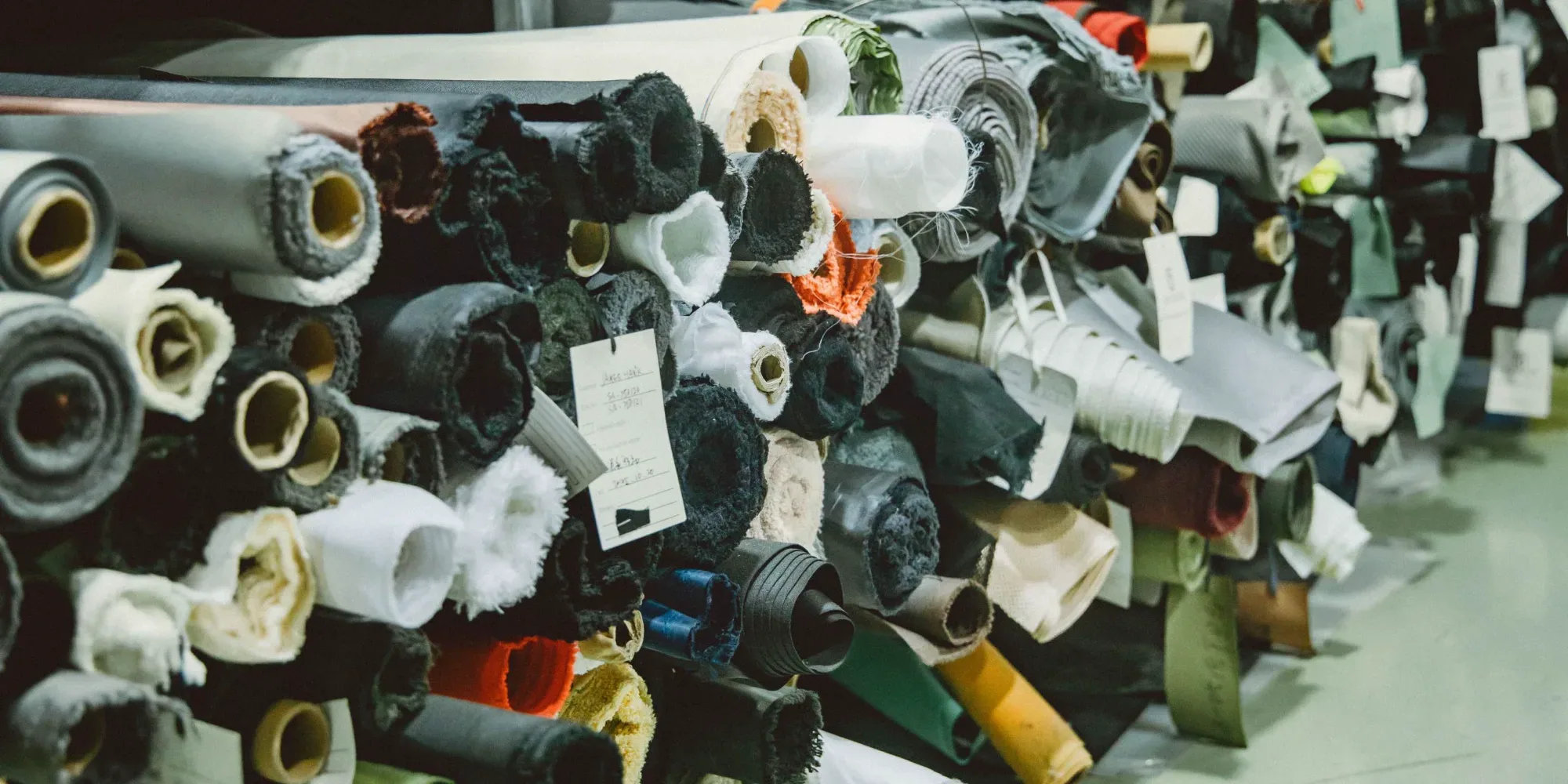
For material sourcing, we maintain strong relationships with trusted suppliers, allowing for consistent quality and availability. We also support clients seeking sustainable materials, guiding them through options like recycled fabrics to meet their environmental objectives. Discover our raw material options.
Finally, our long-term B2B production partnerships with over 150 global brands are built on responsive communication, reliable production, and a clear 2-year warranty. This commitment to client satisfaction and after-sales support helps ensure that any unforeseen issues are addressed promptly and effectively. This comprehensive approach addresses the critical custom backpack manufacturer buyer decision questions: risks, root causes, and prevention checklist.
Key Decision Questions for Vetting a Custom Backpack Manufacturer (Table)
When evaluating a potential custom backpack manufacturer, asking the right questions is paramount. This table provides a structured guide to help brands make informed decisions, ensuring thorough supplier vetting for custom backpacks.
| Category | Key Decision Questions
FAQ
What are the most common quality control issues in custom backpack manufacturing
It should be judged against the goal, available evidence, execution resources, and real feedback; when key information is missing, validate on a smaller scale before expanding the commitment.
How can I ensure my custom backpack manufacturer uses sustainable materials
It should be judged against the goal, available evidence, execution resources, and real feedback; when key information is missing, validate on a smaller scale before expanding the commitment.
What is the typical lead time for custom backpack sampling and production
It should be judged against the goal, available evidence, execution resources, and real feedback; when key information is missing, validate on a smaller scale before expanding the commitment.
What is the minimum order quantity (MOQ) for custom backpacks and soft bags
It should be judged against the goal, available evidence, execution resources, and real feedback; when key information is missing, validate on a smaller scale before expanding the commitment.
How does GFBags handle intellectual property protection for custom designs
It should be judged against the goal, available evidence, execution resources, and real feedback; when key information is missing, validate on a smaller scale before expanding the commitment.