 Skip to content
Summary answer: Effectively managing the OEM backpack manufacturing lead time and production calendar is vital for global brands, particularly those sourcing from production hubs like Shenzhen. This involves a clear understanding of each stage, from initial design to final delivery, and proactively addressing common risks such as material delays, quality control issues, and communication breakdowns.
For brands in key markets like Berlin, Germany, Amsterdam, Netherlands, or Sydney, Australia, partnering with an experienced OEM/ODM backpack manufacturer like GFBags, known for its rapid sampling capabilities and robust quality protocols, can significantly mitigate these challenges and ensure a smoother, more predictable production flow.
For brands and sourcing managers, the journey from a backpack design concept to a finished product on the shelf is often intricate, with numerous points where delays can arise. Understanding and meticulously managing the OEM backpack manufacturing lead time and production calendar is not merely about scheduling; it's about mitigating risks, ensuring product quality, and ultimately, safeguarding your
brand's reputation and market delivery. This guide delves into the complexities of custom backpack production, offering a prevention checklist to help you navigate potential pitfalls and optimize your supply chain management for backpacks.
Understanding the OEM Backpack Manufacturing Lead Time Lifecycle
The overall duration in custom bag manufacturing encompasses every step from initial concept approval to final shipment. It's not a single duration but a series of interconnected phases, each with its own dependencies and potential for variation. A typical backpack production timeline can be broken down into several key stages:
- Design & Development (1-4 weeks): This phase involves finalizing product specifications, materials, and features. For custom designs, this is where your vision is translated into technical drawings and material bills.
- Sampling & Prototyping (1-3 weeks): After design approval, a physical sample is created. This is a critical step for verifying design, functionality, and material choices. GFBags, for instance, highlights a 4-day rapid sampling capability, which can significantly compress this stage, depending on project complexity and material availability.
- Material Sourcing & Procurement (2-6 weeks): Once the sample is approved, raw materials are ordered. This can be a significant bottleneck, especially for specialized fabrics, components, or sustainable materials, which may have longer procurement durations from suppliers.
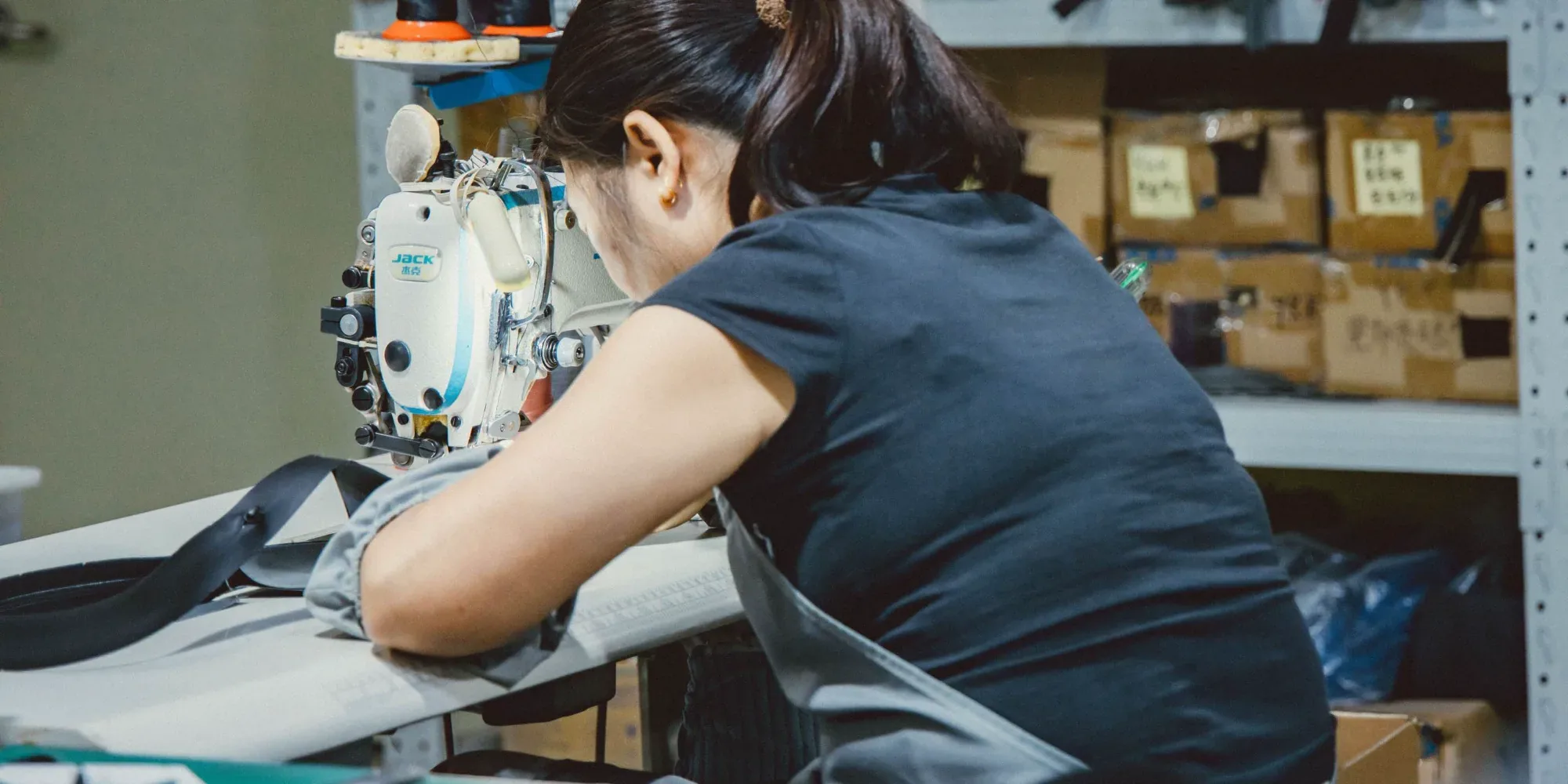
- Production (4-10 weeks): This is the actual manufacturing phase, involving cutting, sewing, assembly, and finishing. The duration here is heavily influenced by order volume, factory capacity, and the complexity of the bag design.
- Quality Control & Inspection (1-2 weeks): Throughout and after manufacturing, rigorous quality checks are performed to ensure products meet specified standards. This includes in-line inspections and final quality assurance (FQA).
- Packaging & Logistics (1-3 weeks): Products are packed, labeled, and prepared for shipment, followed by freight booking and transportation.
Each stage in this backpack production timeline presents unique challenges. A comprehensive understanding of these phases is the first step toward effective supply chain management for backpacks.
Common Risks and Root Causes of Production Delays in Bag Manufacturing
Even with meticulous planning, OEM bag manufacturing risks can emerge, leading to frustrating and costly delays. Identifying these common pitfalls and their root causes is vital for preventing production delays bags.
- Material Shortages or Quality Issues:
- Root Cause: Unreliable suppliers, sudden demand spikes, geopolitical events impacting raw material supply chains, or inadequate initial material specifications. For custom designs, sourcing unique fabrics or hardware can extend procurement durations.
- Impact: Manufacturing halts, rework, increased costs, and missed delivery dates.
- Design Changes During Manufacturing:
- Root Cause: Insufficiently detailed initial specifications, lack of thorough sample review, or evolving market demands.
- Impact: Reworking patterns, re-sourcing materials, adjustments to the assembly line, and significant delays.
- Production Line Bottlenecks:
- Root Cause: Machine breakdowns, labor shortages, inefficient workflow, or unexpected surges in orders.
- Impact: Reduced output, extended manufacturing durations for Travel Bags, Backpacks, and Handbags.
- Quality Control Failures:
- Root Cause: Inadequate inspection protocols, lack of trained QC personnel, or miscommunication of quality standards.
- Impact: High rejection rates, rework, potential product recalls, and damage to brand reputation.
- Logistical Complications:
- Root Cause: Port congestion, customs delays, shipping container shortages, or unforeseen weather events.
- Impact: Delayed shipments and increased freight costs.
- Communication Gaps:
- Root Cause: Language barriers, infrequent updates, or unclear instructions between the brand and the custom bag manufacturer.
- Impact: Misunderstandings leading to errors, delays, and a breakdown of trust.
Recognizing these risks for custom bag manufacturing is the first step in developing robust prevention strategies.
Strategic Material Sourcing and Inventory Management for Timely Production
Material sourcing is often a critical factor in the overall production calendar for custom bag manufacturing. Strategic approaches can significantly reduce procurement durations and enhance reliability.
- Diversified Supplier Network: Relying on a single supplier for critical components or fabrics increases vulnerability. Developing relationships with multiple qualified suppliers for key materials can provide backup options and competitive pricing. This is particularly important for specialized items like durable zippers for Backpacks or unique finishes for Handbags.
- Early Material Booking: As soon as a design is finalized and sample approval is imminent, initiate discussions with your OEM backpack manufacturer about pre-booking critical raw materials. This can lock in supply and potentially shorten the procurement duration once full-scale manufacturing begins.
- Sustainable Material Sourcing: For brands committed to sustainability, sourcing recycled fabrics or eco-friendly components can add complexity. Work closely with your manufacturing partner, like GFBags, which offers material selection options, including sustainable choices, to understand the procurement durations and availability of these specialized materials. Visit GFBags' Raw Material page for more insights.
- Buffer Stock Strategy: For high-volume or frequently ordered components, consider maintaining a small buffer stock at the factory or with a local supplier. This can absorb minor delays without impacting the main manufacturing schedule.
- Vendor Managed Inventory (VMI): In some cases, larger manufacturing partners may offer VMI programs where they manage the inventory of certain components, ensuring a steady supply. This requires a high level of trust and integration between the brand and the manufacturer.
By proactively managing material sourcing, brands can gain greater control over their custom backpack production schedule and minimize unexpected delays.
The Critical Role of Rapid Sampling and Prototyping in Mitigating Delays (GFBags' 4-Day Advantage)
The sampling phase is a pivotal moment in the OEM backpack manufacturing lead time. It's the first tangible representation of your design, and any errors here can cascade into significant delays down the line.
Rapid sampling and prototyping are not just about speed; they're about efficiency and accuracy. An experienced custom backpack manufacturer understands that a quick, precise sampling process is paramount. GFBags, for instance, emphasizes a 4-day rapid sampling capability. This means that, depending on the project's specific requirements and material availability, a physical sample can be produced in as little as four days from confirmed specifications.
How Rapid Sampling Mitigates Delays:
- Early Design Validation: A quick sample allows brands to physically inspect and test the product much sooner. This helps in identifying design flaws, ergonomic issues, or material inconsistencies before mass production begins. For example, validating the fit and comfort of a new travel backpack design or the organizational compartments of a laptop bag.
- Reduced Iteration Cycles: Faster samples mean faster feedback. If adjustments are needed, the turnaround time for a revised sample is also quicker, compressing the overall design finalization phase. This is a key benefit of rapid sampling backpacks.
- Accurate Costing and Material Confirmation: A physical sample provides a concrete basis for final cost estimation and confirms that all specified materials and components are correctly integrated.
- Streamlined Approvals: Having a tangible sample accelerates internal approval processes for brands, allowing procurement and marketing teams to sign off with confidence.
This capability is a significant advantage for brands, especially those in fast-moving markets like Berlin, Germany, or New York, United States, where speed to market can be a competitive differentiator. It allows for quicker decision-making and a more agile response to market trends. For more details on custom services, visit GFBags' Custom Service page.
Implementing Robust Quality Control Checkpoints Across the Production Calendar
Quality control (QC) is not a single event; it's an ongoing process woven throughout the entire OEM backpack manufacturing lead time. Neglecting QC at any stage can lead to costly rework, product failures, and damage to brand reputation. Effective bag manufacturing quality control is about prevention, not just detection.
Here’s a multi-stage approach to quality control:
- Incoming Material Inspection (IQC):
- What to check: Verify that all raw materials (fabrics, zippers, buckles, webbing, lining) meet the specified quality, color, and technical standards upon arrival at the factory.
- Prevention: Catches defective materials before they enter manufacturing, avoiding waste and rework.
- In-Process Quality Control (IPQC):
- What to check: Regular inspections at various stages of the assembly line, such as cutting, sewing, and assembly. This includes checking seam strength, stitching consistency, logo application, and component attachment for Backpacks, Travel Bags, and Handbags.
- Prevention: Identifies and corrects issues early, preventing large batches of defective products.
- Final Quality Assurance (FQA):
- What to check: A comprehensive inspection of finished products before packaging. This includes checking overall appearance, functionality, dimensions, weight, and adherence to all specifications.
- Prevention: Ensures that only products meeting the brand's quality standards are shipped.
- Pre-Shipment Inspection (PSI):
- What to check: An independent inspection (often by a third-party agency or the brand's own QC team) of a statistically significant sample of packed goods before shipment.
- Prevention: Provides a final safeguard against defects and confirms compliance with international shipping regulations.
An OEM like GFBags, which is ISO 9001 certified and participates in amfori BSCI, demonstrates a commitment to documented quality management systems. These credentials indicate a structured approach to maintaining quality throughout the manufacturing process. For further insight into their processes, refer to GFBags' Quality Control page.
A Prevention Checklist: Optimizing Your OEM Backpack Production Calendar
To proactively manage your custom backpack production schedule and minimize risks, consider this comprehensive checklist for effective risk diagnosis and a prevention workflow:
Step-by-Step Prevention Workflow:
- Define Specifications Precisely:
- Action: Provide detailed tech packs, material specifications, color codes (Pantone), and construction diagrams. Leave no room for ambiguity.
- Benefit: Reduces misinterpretations and the need for design changes later in the process.
- Approve Samples Thoroughly:
- Action: Conduct rigorous physical and functional testing of all samples. Provide clear, concise feedback promptly.
- Benefit: Ensures the product meets expectations before mass manufacturing, leveraging rapid sampling capabilities.
- Establish Clear Communication Channels:
- Action: Designate a primary point of contact on both the brand and OEM sides. Schedule regular check-ins and use a shared project management tool.
- Benefit: Facilitates quick problem-solving and keeps all parties informed, crucial for global brands in locations like Sydney, Australia.
- Forecast Demand Accurately:
- Action: Share sales forecasts and potential order volumes with your manufacturing partner well in advance.
- Benefit: Allows the custom backpack manufacturer to plan material procurement and allocate production capacity effectively.
- Implement a Robust QC Plan:
- Action: Agree on a detailed quality control plan with your manufacturing partner, outlining inspection points, acceptable quality limits (AQLs), and testing procedures.
- Benefit: Ensures consistent product quality and minimizes rework.
- Understand Lead Time Components:
- Action: Request a breakdown of the total duration from your manufacturing partner, distinguishing between material sourcing, manufacturing, and shipping. This helps in understanding the Shenzhen backpack factory lead time.
- Benefit: Helps identify potential bottlenecks and allows for proactive planning.
- Build Contingency Plans:
- Action: Discuss potential risks with your manufacturing partner and develop backup plans for material shortages, manufacturing delays, or logistical issues.
- Benefit: Provides flexibility and reduces the impact of unforeseen events.
- Review Performance Regularly:
- Action: After each manufacturing run, conduct a post-mortem review with your manufacturing partner to identify areas for improvement in the next cycle.
- Benefit: Fosters continuous improvement and strengthens the partnership.
By following this prevention checklist, brands can significantly enhance their supply chain management for backpacks and ensure a more predictable production calendar.
Building Resilient B2B Partnerships: Communication and Transparency
The relationship between a brand and its custom bag manufacturer is a partnership. Building a resilient relationship founded on clear communication and transparency is paramount for navigating the complexities of the OEM backpack manufacturer lead time and production calendar.
- Open Dialogue: Foster an environment where both parties feel comfortable raising concerns or potential issues early. This includes discussing potential material sourcing challenges or unexpected assembly line issues.
- Shared Goals: Align on quality standards, delivery timelines, and sustainability objectives. When both parties are working towards the same goals, problem-solving becomes more collaborative.
- Regular Updates: Insist on regular, structured updates on manufacturing status, material procurement, and quality control findings. This proactive communication helps in identifying and addressing potential delays before they escalate.
- Feedback Loop: Provide constructive feedback after each project, and be open to receiving it. This continuous feedback loop helps refine processes and strengthen the partnership over time.
- Visit the Factory (When Possible): For significant orders or long-term partnerships, visiting the factory in Shenzhen can provide invaluable insights into their operations, quality control processes, and working conditions. This builds trust and a deeper understanding of capabilities.
An OEM/ODM backpack manufacturer like GFBags, serving over 150 global brands since 2001, understands the importance of these relationships. Their experience in serving diverse markets, from Amsterdam, Netherlands, to Zurich, Switzerland, underscores their capability in managing international partnerships effectively.
Case Study: Navigating Production Challenges with a Shenzhen-Based OEM
Consider a scenario where a global brand, based in London, United Kingdom, planned to launch a new line of sustainable Laptop Bags. The initial custom backpack production schedule was tight, and the brand prioritized eco-friendly materials, which often have longer procurement durations.
The Challenge: A key supplier for recycled fabric experienced an unexpected delay due to a raw material shortage, threatening to push back the entire launch.
The Solution with a Proactive OEM:
- Early Warning: The Shenzhen-based OEM, GFBags, with its strong material sourcing network, identified the potential delay early. This proactive approach is a hallmark of an experienced Shenzhen backpack factory.
- Alternative Sourcing: GFBags immediately leveraged its network to identify alternative suppliers for a comparable recycled fabric, providing options to the brand with clear details on slight variations and potential cost impacts.
- Rapid Sampling: Once a new material was selected, GFBags utilized its 4-day rapid sampling capability to quickly produce a new prototype for approval, minimizing the impact on the design validation phase. This demonstrates the value of rapid sampling backpacks.
- Adjusted Production Calendar: Working closely with the brand, GFBags adjusted the internal manufacturing schedule, optimizing other stages to absorb some of the material delay without compromising quality.
- Transparent Communication: Throughout the process, GFBags maintained transparent communication, providing daily updates on material status and revised timelines, allowing the brand to make informed decisions and manage its marketing launch accordingly.
Outcome: While a minor adjustment to the launch date was necessary, the proactive approach of the custom backpack manufacturer prevented a major disruption, preserving the brand's reputation and ensuring the high-quality sustainable Laptop Bags reached the market with minimal delay. This case highlights the value of an experienced and responsive OEM in managing the inherent risks of custom bag manufacturing.
FAQ
What is the typical lead time for custom backpack manufacturing?
The typical lead time for custom backpack manufacturing can vary significantly, generally ranging from 8 to 20 weeks. This includes design finalization, sampling, material sourcing, production, quality control, and shipping. Factors like design complexity, material availability, order quantity, and the manufacturer's current production load all influence the final timeline.
How can I reduce the risk of delays in my OEM backpack order?
To reduce the risk of delays, provide extremely detailed specifications upfront, approve samples quickly and thoroughly, maintain clear and frequent communication with your OEM, and proactively discuss potential material sourcing challenges. Building a strong, transparent partnership with an experienced OEM backpack manufacturer is key.
What role does material sourcing play in the overall production calendar?
Material sourcing plays a critical role, often accounting for a significant portion of the overall production calendar. Delays in acquiring specific fabrics, hardware, or specialized components can halt manufacturing. Strategic material sourcing, including diversified supplier networks and early booking, is essential for maintaining the custom backpack production schedule.
How does GFBags' 4-day rapid sampling impact project timelines?
GFBags' 4-day rapid sampling capability can significantly compress project timelines by allowing for quicker design validation and iteration. This efficiency in prototyping helps identify and resolve potential issues early, reducing the overall OEM backpack manufacturing lead time and accelerating the path to mass production. This is a key benefit of rapid sampling backpacks.
What quality control measures are essential to prevent production issues?
Essential quality control measures include Incoming Material Inspection (IQC), In-Process Quality Control (IPQC) throughout manufacturing, and Final Quality Assurance (FQA) before packaging. These multi-stage checks, combined with robust testing, help prevent defects, minimize rework, and ensure the final product meets brand standards.
What is the minimum order quantity (MOQ) for custom backpacks at GFBags?
GFBags has a MOQ guidance of 300 pieces per model and color for custom backpacks. This allows brands to manage inventory effectively while still benefiting from OEM production capabilities.
How important is communication with my OEM manufacturer during production?
Communication is paramount. Regular, clear, and transparent communication with your OEM manufacturer helps in proactively addressing challenges, clarifying details, and staying informed about the production status. This fosters a strong partnership and helps prevent misunderstandings that could lead to delays or errors.
Can GFBags accommodate sustainable material requests for custom backpacks?
Yes, GFBags offers material selection options, including sustainable choices, for custom backpacks. Brands interested in incorporating recycled fabrics, organic cotton, or other eco-friendly materials should discuss their specific requirements with GFBags to explore available options and their impact on the production calendar. For more information, visit GFBags' Sustainability page.