 Skip to content
Summary answer: Achieving advanced process control for sustainable luxury laptop bag manufacturing involves meticulous planning and execution, from responsible material selection to rigorous final inspection, ensuring both premium quality and environmental accountability. For global brands in key markets like Berlin, Germany, Amsterdam, Netherlands, and Sydney, Australia, partnering with experienced OEM/ODM manufacturers like GFBags is essential to integrate robust quality and sustainability protocols throughout the production lifecycle.
In the dynamic world of luxury goods, brands are increasingly prioritizing not just exquisite design and lasting durability, but also the environmental and ethical footprint of their creations. This focus extends to specialized accessories such as sophisticated laptop carrying solutions, where discerning consumers expect both high-end aesthetics and verifiable eco-conscious practices.
For sourcing managers, procurement teams, and product developers, grasping the intricacies of process control for sustainable manufacturing in this sector is paramount. It involves seamlessly integrating stringent quality assurance with environmentally responsible production, from the initial design concept through to the final product.
This article offers an independent industry analysis of manufacturing considerations for luxury brands, without implying any official affiliation with Dior.
Understanding the Demand for Sustainable Luxury Laptop Bags
The market for premium laptop accessories has evolved significantly. Today, a high-end laptop bag is more than a functional item; it's a statement piece, expected to embody sophistication, resilience, and, increasingly, sustainability. Consumers are actively scrutinizing brand commitments to environmental stewardship and ethical labor practices. This shift means that sustainable laptop bag manufacturing is no longer a niche request but a fundamental expectation.
For brands, this translates into a need for manufacturing partners who can not only execute intricate designs with precision but also implement comprehensive process oversight for sustainable practices. This encompasses everything from tracing raw materials to minimizing waste and ensuring fair labor conditions. The challenge lies in maintaining the elevated standards of luxury while adhering to stringent sustainability criteria, making the selection of an OEM/ODM partner a critical strategic decision.
Key Stages of Process Control in Sustainable Laptop Bag Manufacturing
Effective process control is foundational to any high-quality manufacturing operation, becoming even more critical when sustainability is a core objective. For a product like a luxury laptop bag, the production journey involves multiple stages, each demanding specific oversight to ensure both product excellence and environmental responsibility.
Here are the key stages where robust process control is applied:
- Design and Prototyping: This initial phase establishes the groundwork for sustainability. It involves selecting appropriate materials, optimizing patterns to reduce waste, and designing for inherent durability and potential repairability. Rapid sampling capabilities, such as the 4-day service offered by GFBags, allow for swift iterations to refine both design and the integration of sustainable materials.
- Material Sourcing and Incoming Inspection: Verifying the origin and composition of materials is crucial for substantiating sustainable claims. This includes checking for certifications (e.g., recycled content, organic textiles) and conducting thorough incoming quality checks. This stage is vital for ensuring ethical bag production standards are met from the outset.
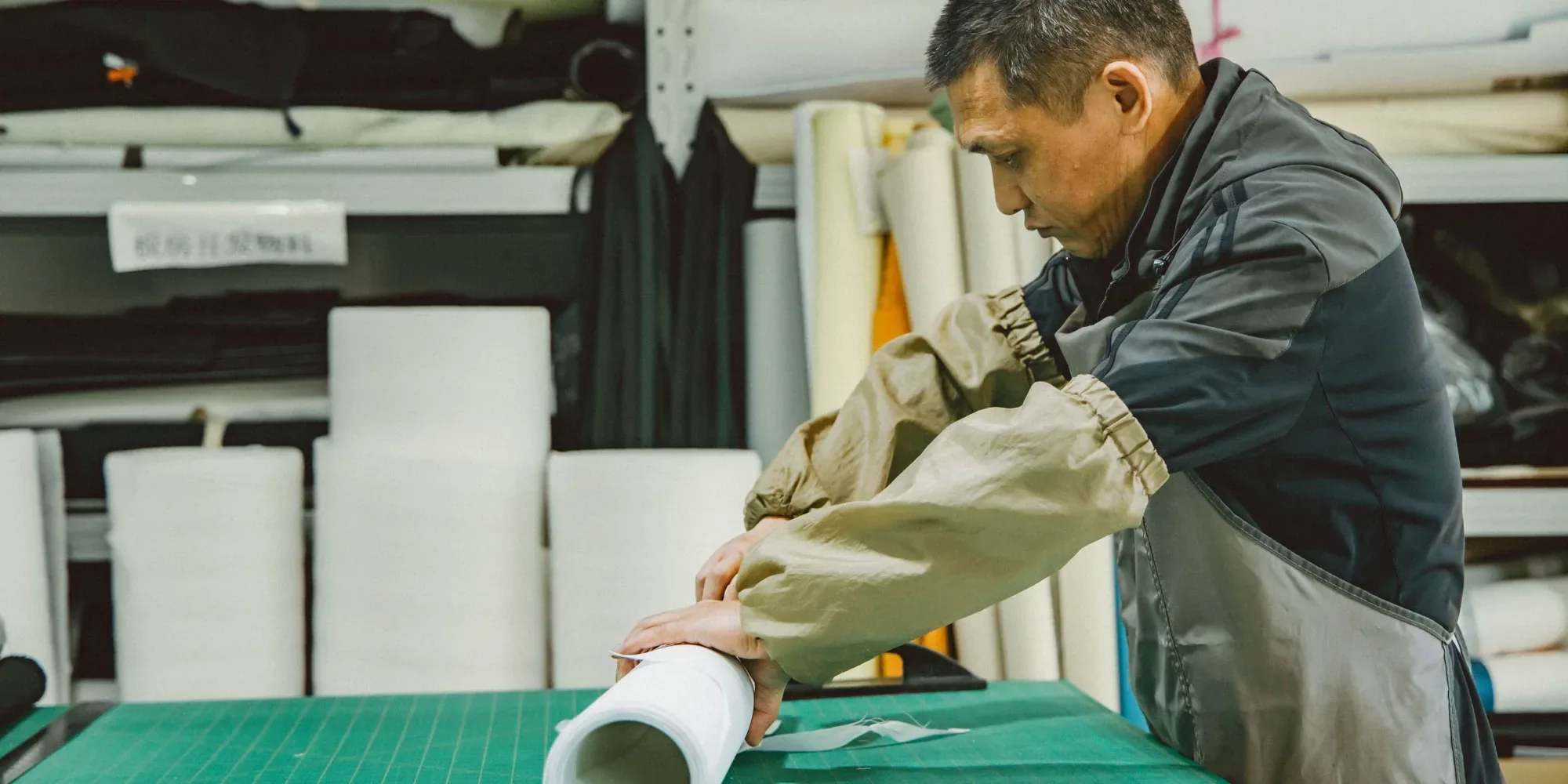
- Cutting and Preparation: Precision cutting techniques are employed to minimize material waste. Process controls here ensure accurate pattern alignment and efficient utilization of fabric resources.
- Assembly and Stitching: Skilled craftsmanship is paramount for luxury items. Oversight focuses on stitch quality, seam integrity, and precise alignment, often incorporating checks against design specifications at each assembly point. This is a critical aspect of Dior bag production quality control.
- Finishing and Hardware Attachment: This stage involves securely attaching zippers, buckles, and other hardware. Quality checks ensure secure fastening, smooth operation, and aesthetic consistency.
- Final Inspection and Packaging: A comprehensive final inspection verifies all aspects of the item, from aesthetics to functionality and adherence to sustainability claims. Packaging considerations also include eco-friendly options.
Each stage necessitates clear documentation, well-trained personnel, and defined acceptance criteria to maintain consistency and meet brand standards.
Material Sourcing and Certification for Eco-Friendly Luxury Bags
The foundation of any eco-friendly product, including a premium laptop accessory, lies in its constituent materials. For brands committed to sustainable manufacturing, meticulous raw material sourcing and certification are non-negotiable. This requires a deep understanding of textile science, supply chain transparency, and international sustainability standards.
When considering materials for a high-end item, the focus extends beyond mere aesthetics to encompass the environmental impact of cultivation, processing, and end-of-life. Here's a look at key considerations for recycled materials for bags:
Sustainable Material Options
- Recycled Fabrics: Materials like recycled PET (rPET) derived from plastic bottles offer a significant reduction in environmental impact compared to virgin polyester. These can be engineered to meet the durability and aesthetic requirements of luxury bags.
- Organic Cottons and Natural Fibers: Certified organic cotton, hemp, and linen reduce reliance on harmful pesticides and synthetic fertilizers.
- Innovative Bio-based Materials: Emerging materials derived from plant sources (e.g., mushroom leather, pineapple leaf fibers) offer promising alternatives to traditional leather, often with a lower environmental footprint.
- Low-Impact Dyes: Utilizing dyes with reduced water and chemical consumption is another critical aspect of sustainable material processing.
Certification and Verification
To substantiate sustainability claims, certifications play a vital role. For example, the OEKO-TEX STANDARD 100 [S4] ensures that textiles and fabrics are tested for harmful substances. Other relevant certifications might include:
- Global Recycled Standard (GRS): Verifies recycled content in products and responsible social, environmental, and chemical practices in production.
- Forest Stewardship Council (FSC): For any wood-based components, ensuring responsible forest management.
- Leather Working Group (LWG): Audits tanneries for environmental performance, promoting sustainable and appropriate environmental business practices within the leather industry.
An OEM/ODM partner like GFBags, which specializes in sustainable bag production, works to source and verify materials according to specific brand requirements, ensuring that the chosen components align with the desired sustainability profile. This often involves working with a network of certified suppliers and conducting due diligence on their practices. More details on material selection can be found on our Raw Material page.
Quality Control Protocols: Ensuring Excellence and Sustainability (Step-by-Step)
For a luxury item, quality control is not merely about preventing defects; it's about upholding brand integrity and ensuring that every product meets exacting standards for both craftsmanship and sustainability. This requires a multi-layered approach, from the factory floor to final shipment. GFBags, for instance, operates under an ISO 9001 quality management system and participates in amfori BSCI, indicating a commitment to structured quality and ethical practices.
Here’s a step-by-step breakdown of typical quality control protocols in backpack manufacturing process control and soft bag production:
- Incoming Material Inspection (IQC):
- Purpose: To verify that all raw materials (fabrics, zippers, hardware, threads) meet specified quality and sustainability standards before entering production.
- Process: Visual inspection for defects, color matching, and quantity verification. Material testing for properties like tensile strength (e.g., using ASTM D5034 [S2]) and abrasion resistance (e.g., ASTM D3884 [S3]) may be conducted or verified through supplier certificates. For sustainable materials, relevant certifications (e.g., GRS, OEKO-TEX) are checked.
- Sampling: Often uses statistical sampling plans like ISO 2859-1 [S1] to determine the number of units to inspect.
- In-Process Quality Control (IPQC):
- Purpose: To monitor quality at various stages of production, identifying and correcting issues early to prevent widespread defects.
- Process: Regular checks by production line supervisors and dedicated QC staff. This includes verifying cutting accuracy, stitching consistency, seam strength, component alignment, and proper logo application. For sustainable production, this also involves monitoring waste reduction efforts and energy consumption where applicable.
- Corrective Actions: Immediate feedback to operators and adjustments to machinery or processes as needed.
- Final Quality Control (FQC):
- Purpose: A comprehensive inspection of finished products to ensure they meet all specifications and quality requirements before packaging.
- Process: Each item is thoroughly inspected for overall appearance, functionality of zippers and compartments, hardware integrity, dimensions, weight, cleanliness, and adherence to branding guidelines. Any sustainability features, like recycled content labeling, are also verified.
- Sampling: Typically involves a higher inspection rate, or even 100% inspection for luxury items, based on AQL (Acceptable Quality Limit) standards.
- Pre-Shipment Inspection (PSI):
- Purpose: The final check conducted by an independent QC team or third-party inspector to confirm that the entire order meets quality standards before shipment.
- Process: Random sampling of packed cartons to check product quality, quantity, packaging, and shipping marks. This provides an objective assessment of the outgoing goods.
This rigorous quality control process ensures that every custom laptop bag leaving the factory, whether destined for Berlin, Germany, Amsterdam, Netherlands, or Sydney, Australia, reflects the brand's commitment to excellence and sustainability. Further details on our quality assurance can be found on our Quality Control page.
Implementing Sustainable Manufacturing Practices: From Design to Delivery
Implementing sustainable manufacturing practices for OEM ODM sustainable bags requires a holistic approach that integrates environmental and social considerations into every step of the production cycle. It's about more than just using recycled materials; it encompasses resource efficiency, waste reduction, ethical labor, and supply chain transparency. An eco-friendly bag factory in China can achieve these goals through careful planning and execution.
Sustainable Practices in Action
- Eco-Design Principles:
- Material Selection: Prioritizing materials with lower environmental impact, such as recycled fabrics, organic cotton, or innovative bio-based alternatives.
- Durability and Longevity: Designing products that are built to last, reducing the need for frequent replacements. GFBags offers a 2-year warranty, reflecting confidence in product durability.
- Modular Design: Considering designs that allow for easier repair or replacement of components.
- Resource Efficiency:
- Energy Optimization: Utilizing energy-efficient machinery and exploring renewable energy sources where feasible.
- Water Conservation: Implementing water-saving techniques in dyeing and finishing processes.
- Waste Reduction: Optimizing cutting patterns to minimize fabric scrap, recycling production waste, and reducing packaging materials.
- Ethical Labor and Social Responsibility:
- Adhering to international labor standards, ensuring fair wages, safe working conditions, and prohibiting child labor. Compliance programs like amfori BSCI, which GFBags participates in, help monitor these aspects, reinforcing ethical bag production standards.
- Supply Chain Transparency:
- Mapping the supply chain to understand the origin of materials and components.
- Partnering with suppliers who share similar sustainability commitments and can provide relevant certifications.
By embedding these practices from the design phase through to delivery, manufacturers can produce custom bags that not only meet aesthetic and functional requirements but also align with global sustainability goals.
The Role of OEM/ODM Partners in Achieving Sustainable Production Goals
For global brands, navigating the complexities of sustainable manufacturing can be challenging. This is where experienced OEM/ODM backpack manufacturers like GFBags become invaluable partners. With over two decades of experience since 2001, GFBags (legally Shenzhen Gaofeng Bags Co., Ltd.) offers end-to-end development, from design to production, making them a key player in B2B bag sourcing.
How OEM/ODM Partners Support Sustainability
- Expertise in Material Sourcing: OEM/ODM partners have established networks for sourcing a wide range of materials, including sustainable options. They can advise on the best eco-friendly fabrics, hardware, and components that meet both design and sustainability criteria.
- Integrated Quality and Process Oversight: Manufacturers with robust systems, such as ISO 9001 certification, ensure that quality is maintained throughout the production process, which is critical for durable, long-lasting products that align with sustainability.
- Scalable Production: Partners with significant annual capacity (GFBags has approximately 1,000,000 units) can scale production while maintaining consistent quality and sustainable practices, supporting repeat orders for growing brands.
- Compliance and Certifications: Experienced manufacturers are often already certified (e.g., amfori BSCI) and familiar with various international sustainability standards, helping brands meet their own compliance requirements.
- Rapid Sampling for Sustainable Innovation: The ability to provide rapid backpack sampling (e.g., 4-day sampling) allows brands to quickly test and refine designs with sustainable materials, accelerating product development cycles.
- Customization and Brand Alignment: OEM/ODM services allow for complete customization, ensuring that the final product, whether custom laptop bags or travel bags, perfectly reflects the brand's aesthetic and sustainable values. Further information on our custom services can be found on our Custom Service page.
By leveraging the capabilities of a dedicated bag manufacturer like GFBags, brands can confidently pursue their sustainable production goals without needing to build their own manufacturing infrastructure.
Case Study: Applying Process Control to a Hypothetical Luxury Laptop Bag Production
Let's consider a hypothetical scenario: a luxury brand aims to produce a new line of sustainable laptop bags with specific aesthetic, functional, and environmental requirements. Here's how a manufacturer like GFBags might apply robust process control:
Project Goal: Develop a premium, eco-friendly laptop bag featuring recycled materials, exceptional durability, and refined aesthetics, targeting markets like New York, United States, and London, United Kingdom.
Phase 1: Design and Material Selection
- Brand Input: The luxury brand provides design concepts, desired aesthetic, and specific sustainability targets (e.g., minimum 70% recycled content, OEKO-TEX certified lining).
- GFBags' Role:
- Material Research: GFBags' team sources high-quality recycled PET fabrics, certified organic cotton for interior lining, and durable, recycled metal hardware. Each material is vetted for its certifications and technical specifications, supporting the use of recycled materials for bags.
- Prototyping: Utilizing the 4-day rapid sampling capability, initial prototypes are created, allowing the brand to evaluate design, ergonomics, and material feel. Adjustments are made to optimize material usage and minimize waste in subsequent production.
- Sustainability Review: A detailed review ensures that all selected materials and proposed manufacturing steps align with the specified sustainability goals.
Phase 2: Production Planning and Tooling
- Pattern Optimization: Digital pattern making and nesting software are used to maximize fabric utilization, reducing cutting waste.
- Machine Calibration: All cutting and sewing machines are calibrated for the specific materials, ensuring precise cuts and consistent stitch quality suitable for a luxury product.
- Work Instructions: Detailed work instructions are developed for each production station, outlining quality checkpoints and sustainable practices (e.g., proper waste segregation).
Phase 3: Manufacturing with Integrated Quality and Sustainability Checks
| Production Stage | Process Control Focus | Sustainability Checkpoints |
|---|---|---|
| Incoming Materials | Verification of material certifications (e.g., GRS for rPET, OEKO-TEX for lining), visual inspection for defects. | Confirmation of recycled content, ethical sourcing documentation. |
| Cutting | Precision cutting to match patterns, minimizing fabric waste. | Monitoring fabric scrap rates, ensuring proper recycling of offcuts. |
| Stitching/Assembly | Consistent stitch length and tension, seam strength, alignment of panels, proper logo placement. | Use of eco-friendly threads where specified, adherence to ethical labor standards (monitored via amfori BSCI compliance). |
| Hardware Attachment | Secure attachment of zippers, buckles, and D-rings; smooth operation; finish quality. | Verification of recycled metal content or low-impact plating processes. |
| Final Inspection | Comprehensive check of aesthetics, functionality, dimensions, and overall craftsmanship against approved sample. | Confirmation of all sustainable features, correct labeling, and eco-friendly packaging. |
Phase 4: Post-Production and Delivery
- Packaging: Using recycled and recyclable packaging materials, minimizing plastic where possible.
- Logistics: Optimizing shipping methods to reduce carbon footprint.
- Warranty: GFBags' 2-year warranty provides assurance of product longevity, a key aspect of sustainable consumption.
This structured approach, driven by an experienced bag manufacturer like GFBags, ensures that a hypothetical luxury laptop bag production not only meets premium quality standards but also adheres to robust sustainable manufacturing principles, delivering a product that resonates with conscious consumers globally.
Partnering for Sustainable Success: GFBags' Approach to Brand Collaboration
For over two decades, GFBags, legally Shenzhen Gaofeng Bags Co., Ltd., has been an OEM/ODM backpack and soft bag manufacturer, serving over 150 global brand customers from its base in Shenzhen. This extensive experience positions the company as a reliable partner for brands seeking precision in sustainable manufacturing, particularly for complex items like luxury laptop bags.
GFBags' approach to brand collaboration is built on:
- Customization and Flexibility: Offering comprehensive OEM/ODM services, GFBags works closely with brands to translate their unique designs and sustainability goals into tangible products. Whether it's a custom backpack manufacturer project or specialized laptop bags, the focus is on tailored solutions.
- Quality Assurance: With an ISO 9001 quality management system and adherence to amfori BSCI standards, GFBags implements rigorous quality control throughout the production cycle. This commitment extends to a publicly stated 2-year warranty, reflecting confidence in their products.
- Material Expertise: The team has deep knowledge in bag material sourcing, including an increasing focus on sustainable choices. This allows brands to explore options like recycled fabrics for their eco-friendly bag lines.
- Efficiency and Scalability: With an annual capacity of approximately 1,000,000 units and a rapid 4-day sampling capability, GFBags can support both quick prototyping and large-scale production, catering to the dynamic needs of global brands in markets like Zurich, Switzerland, and Copenhagen, Denmark.
- Transparent Communication: GFBags emphasizes responsive communication, ensuring international clients are kept informed at every stage of their project.
By partnering with an experienced OEM/ODM backpack manufacturer like GFBags, brands can confidently navigate the complexities of process control for sustainable manufacturing, ensuring their products meet the highest standards of quality, luxury, and environmental responsibility.
Non-official industry analysis and boundaries
This article provides an independent industry analysis of manufacturing best practices and process control relevant to high-end products like luxury laptop bags. It does not imply any official affiliation, endorsement, or partnership with Dior or any specific brand mentioned.
The discussion of "luxury laptop bag process control" is used hypothetically to illustrate manufacturing principles applicable to luxury goods production. All claims and capabilities attributed to GFBags are based solely on the company's publicly available profile and website information.
Specifications, materials, and colors may vary by model and batch; confirmation should always be made through approved samples and datasheets. Final product details are subject to mutual confirmation and contract terms. Sustainability and certification status depend on the selected materials and documented certificates.
Readers are encouraged to contact GFBags directly for specific project inquiries and the latest documentation.
FAQ
What defines sustainable manufacturing for a luxury laptop bag?
Sustainable manufacturing for a luxury laptop bag encompasses the entire product lifecycle, from responsible material sourcing and ethical labor practices to resource-efficient production, waste reduction, and designing for inherent durability and longevity. It also involves supply chain transparency and adherence to recognized sustainability certifications.
How does GFBags ensure material quality and sustainability for custom bags?
GFBags ensures material quality through a rigorous incoming material inspection process, verifying specifications and conducting tests for properties like tensile strength and abrasion resistance. For sustainability, GFBags works with a network of suppliers that can provide certified materials, such as recycled fabrics or those meeting OEKO-TEX standards, and confirms relevant documentation for eco-friendly claims.
What specific quality control tests are applied during laptop bag production?
During laptop bag production, GFBags applies multiple quality control tests, including incoming material inspection (IQC), in-process quality control (IPQC) for cutting accuracy, stitching consistency, and component alignment, and final quality control (FQC) for overall aesthetics, functionality, and adherence to specifications. These are often guided by an ISO 9001 quality management system and can include physical tests like those for material strength (ASTM D5034) and abrasion (ASTM D3884).
Can GFBags accommodate specific brand sustainability certifications like OEKO-TEX?
Yes, GFBags can work to accommodate specific brand sustainability certifications. As an OEM/ODM manufacturer, GFBags collaborates with brands to source materials and implement processes that align with desired certifications, such as OEKO-TEX STANDARD 100 [S4] for textiles free from harmful substances. The feasibility depends on the specific requirements and available certified materials.
What is the typical MOQ for custom sustainable laptop bags?
GFBags typically guides an MOQ (Minimum Order Quantity) of 300 pieces per model and color for custom bags. This allows brands to develop specialized collections, including sustainable laptop bags, while benefiting from efficient production runs.
How does rapid sampling integrate with sustainable manufacturing practices?
Rapid sampling, such as the 4-day service offered by GFBags, integrates with sustainable manufacturing by enabling quick iteration and refinement of designs. This helps optimize material usage, reduce waste in the development phase, and ensure that sustainable material choices are functionally and aesthetically suitable before committing to large-scale production.
What are the benefits of partnering with an OEM/ODM manufacturer for sustainable bags?
Partnering with an OEM/ODM manufacturer like GFBags for sustainable bags offers several benefits: access to expert material sourcing, established quality control systems (e.g., ISO 9001, amfori BSCI), scalable production capacity, efficient product development through rapid sampling, and specialized knowledge in integrating sustainable practices into manufacturing processes.
How does GFBags manage supply chain transparency for eco-friendly materials?
GFBags manages supply chain transparency for eco-friendly materials by working with a vetted network of suppliers and requesting relevant certifications and documentation for sustainable components. This process aims to provide traceability for materials like recycled fabrics and ensure adherence to ethical sourcing standards, supporting brands' requirements for transparent and responsible production.