 Skip to content
Summary answer: Choosing between PU leather and genuine leather for custom handbags requires balancing aesthetic preferences, durability needs, cost considerations, and ethical stances. Genuine leather offers a distinct natural feel and ages uniquely, while PU leather provides a versatile, often more affordable, and animal-free alternative.
For brands in markets like Berlin, Germany; Amsterdam, Netherlands; or Sydney, Australia, understanding these material differences is crucial for effective product development and aligning with consumer values, a decision GFBags supports with extensive material sourcing and OEM/ODM expertise.
For global bag brands, sourcing managers, and product developers, the decision between PU leather and genuine leather is a strategic one that impacts design, cost, brand image, and long-term product performance. When developing custom bags, understanding the nuanced characteristics of each material is essential for creating products that resonate with your target audience and meet quality expectations.
As an OEM/ODM backpack and soft bag manufacturer since 2001, GFBags has navigated these material considerations for over 150 global brands, offering insights into how each choice influences the entire production process.
This guide delves into the practical aspects of PU leather vs. genuine leather for custom handbags, examining their properties, manufacturing implications, and how to make an informed decision for your next collection.
Understanding Genuine Leather: Types, Characteristics, and Sourcing
Genuine leather, derived from animal hides, has been a staple in bag manufacturing for centuries, prized for its unique texture, strength, and ability to develop a patina over time. However, "genuine leather" itself is a broad term encompassing various grades and types, each with distinct characteristics. A reputable genuine leather handbag supplier can guide brands through these distinctions.
Types of Genuine Leather for Handbags:
- Full-Grain: This type retains the natural grain and imperfections of the hide. It's exceptionally durable, breathable, and develops a rich patina with age. This is often preferred for premium custom bags where longevity and natural aesthetics are paramount.
- Top-Grain: This material has had the outermost layer of the hide lightly sanded or buffed to remove imperfections, then treated with a finish coat. It's more pliable and stain-resistant than full-grain but less breathable and won't develop as rich a patina. It's a popular choice for custom bag manufacturing due to its balance of quality and workability.
- Split Leather (Suede/Nubuck): Made from the fibrous part of the hide left after separating the top-grain, split leather is often used to create suede (fuzzy on both sides) or nubuck (sanded on the grain side for a velvety feel). While soft and luxurious, these are generally less durable and more susceptible to stains than full-grain or top-grain.
- Bonded Leather: This is made from scraps of leather fibers bonded together with adhesive and then coated. It lacks the durability and natural feel of higher grades and is less common for high-quality custom bags.
Characteristics and Sourcing Considerations:
Authentic leather offers unparalleled natural feel, breathability, and a distinctive aroma. Its strength and flexibility make it suitable for various bag designs, from structured business bags to supple travel bags. When sourcing this material, brands must consider:
- Origin and Tanning Process: The source of the hide and the tanning methods (e.g., vegetable-tanned, chrome-tanned) significantly impact the material's properties, environmental footprint, and final appearance.
- Consistency: Natural variations in hides mean that achieving absolute color and texture consistency across large production runs can be challenging, requiring careful selection and quality control.
- Ethical Sourcing: For many brands, ethical sourcing and traceability of animal hides are critical. Partnering with a manufacturer like GFBags that has established relationships with reputable tanneries can help ensure responsible material procurement.
Exploring PU Leather: Composition, Advantages, and Ethical Considerations
PU leather, or polyurethane leather, is a synthetic material designed to mimic the look and feel of natural leather. It's a popular choice for brands seeking cost-effective, versatile, and animal-free alternatives for their custom bag production. A skilled PU leather handbag manufacturer can produce a wide array of styles.
Composition and Manufacturing:
PU leather is typically made by applying a layer of polyurethane to a base material, often cotton, polyester, or rayon. This process allows for consistent texture, color, and grain patterns, which can be engineered to imitate various types of genuine leather. Advanced manufacturing techniques can even create PU leathers with properties like enhanced flexibility, water resistance, or specific tactile qualities.
Advantages of PU Leather for Handbags:
- Cost-Effectiveness: Generally, PU leather is more affordable than genuine leather, making it an attractive option for brands aiming for competitive pricing or higher margins.
- Consistency: Unlike natural leather, PU leather offers uniform color, texture, and thickness across large batches, simplifying the production process and ensuring product consistency.
- Water Resistance: Many PU leathers are inherently more water-resistant than genuine leather, offering practical benefits for everyday use and easier maintenance.
- Versatility: PU leather can be produced in a vast array of colors, finishes, and textures, providing designers with immense creative freedom. It's also easier to emboss or print patterns onto.
- Ethical and Vegan Appeal: For brands committed to animal-free products, PU leather serves as a readily available "vegan leather" option, aligning with the values of a growing consumer segment. This makes vegan leather handbags B2B a growing market.
- Sustainability: While traditional PU leather relies on petroleum-based polymers, there's a growing trend towards more sustainable PU options, including those made with recycled content or bio-based polymers. When considering sustainable handbag materials, it's important to discuss these options with your manufacturer.
Ethical Considerations:
While PU leather offers an animal-free alternative, its environmental impact is a key consideration. The production of traditional PU involves chemicals and petroleum. However, ongoing innovations in material science are leading to more eco-friendly variants, such as water-based PU and those incorporating plant-based components. Brands should engage in thorough material sourcing discussions to understand the environmental footprint of their chosen PU leather.
Key Differences: A Comparative Table of PU Leather vs. Genuine Leather for Handbags
To summarize the core distinctions, here's a comparative overview that can aid in your decision-making process for custom handbag manufacturing materials:
| Feature | Genuine Leather | PU Leather |
|---|---|---|
| Origin | Animal hides | Synthetic (polyurethane coating on a fabric base) |
| Feel/Texture | Natural, soft, supple, unique grain, breathable | Smooth, uniform, can feel more plastic-like, less breathable |
| Durability | Very durable, ages well, develops patina, can last decades | Durable but can crack or peel over time, less breathable |
| Appearance | Unique, natural variations, deep luster | Consistent, wide range of colors/finishes, can mimic various leathers |
| Maintenance | Requires conditioning, susceptible to water damage | Easy to clean, often water-resistant, less maintenance |
| Cost | Generally higher | Generally lower |
| Sustainability | Animal welfare concerns, tanning process impact | Petroleum-based, but growing sustainable/recycled options |
| Breathability | High | Low |
| Smell | Distinctive "leather" aroma | Chemical or plastic smell (can dissipate) |
| Repairability | Can be repaired and restored | Difficult to repair once damaged (cracks, peels) |
Design and Manufacturing Implications: How Material Choice Affects Production
The choice between PU leather and genuine leather extends beyond aesthetics and cost; it profoundly impacts the entire design and OEM handbag production process. Manufacturers like GFBags, with extensive experience in custom bag manufacturing, understand these implications.
Design Flexibility:
- Genuine Leather: Designers often work with the natural characteristics of genuine leather. Its varying thickness and natural imperfections can influence pattern cutting and construction. The way it drapes and molds over time is a key design element.
- PU Leather: Offers greater design consistency. Its uniform thickness and texture allow for more precise pattern cutting and less material waste. It's also easier to achieve sharp edges and structured shapes. The ability to produce PU leather in virtually any color or finish provides immense creative freedom for designers.
Cutting and Stitching:
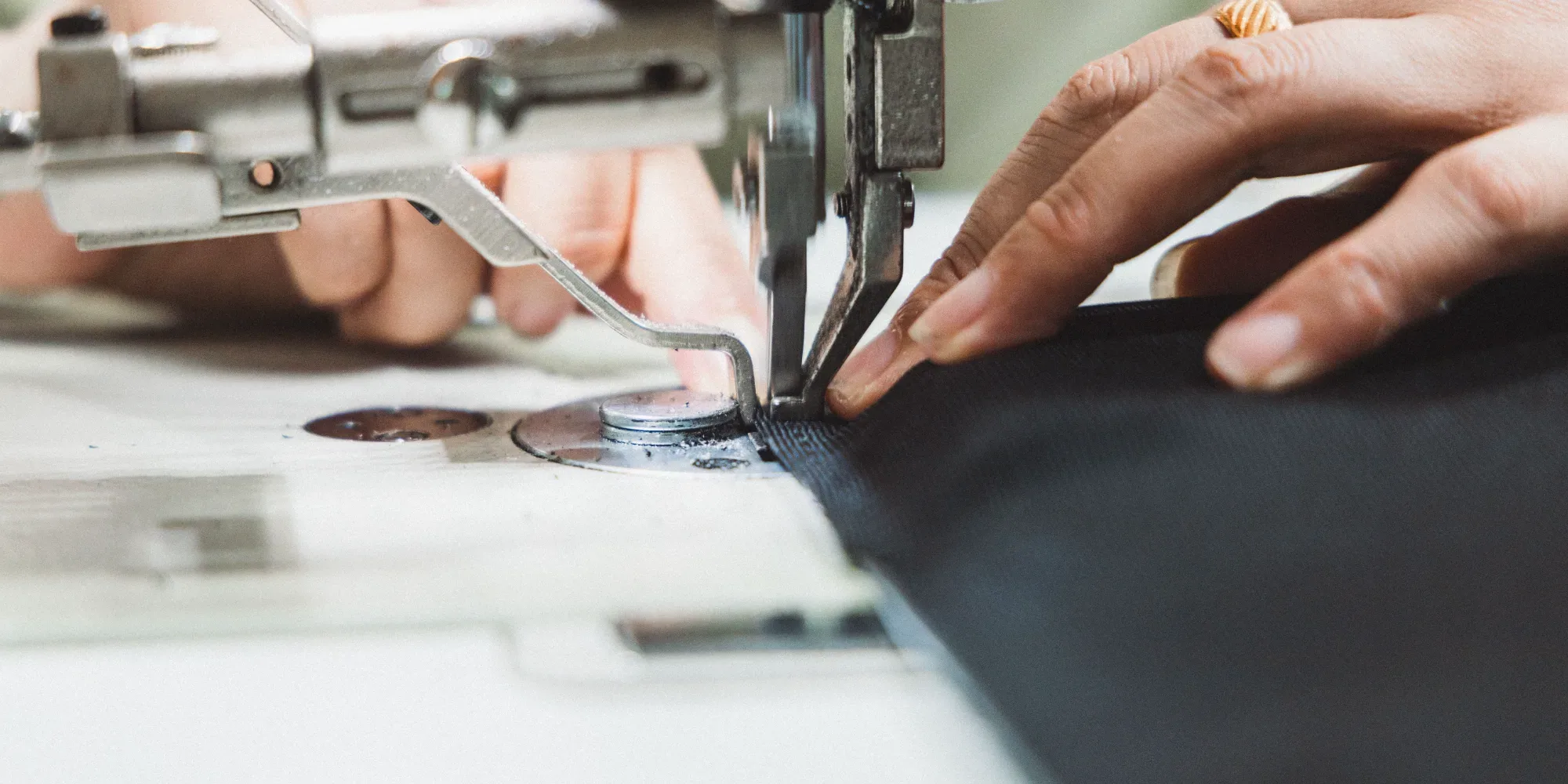
- Genuine Leather: Requires specialized cutting tools and techniques. Stitching can be more challenging due to its thickness and natural variations, often requiring heavy-duty machines and skilled operators. The edges may need specific finishing treatments.
- PU Leather: Generally easier to cut with standard industrial equipment. Its consistent nature makes stitching more predictable, allowing for higher production speeds. Edges can often be heat-sealed or painted for a clean finish.
Hardware and Reinforcement:
- Genuine Leather: Its inherent strength often means less internal reinforcement is needed for structural integrity, though heavy-duty hardware is still crucial for durability.
- PU Leather: While durable, some thinner PU materials might require additional internal reinforcement or backing materials to prevent stretching or tearing, especially at stress points like handle attachments or strap anchors. The choice of hardware must also complement the material's thickness and tensile strength.
Prototyping and Sampling:
For both materials, rapid sampling is a critical step in the product development process. At GFBags, we understand that a 4-day rapid sampling capability (timeline depends on project confirmation) can significantly accelerate a brand's go-to-market strategy. The material chosen directly impacts this:
- Genuine Leather Sampling: May involve more time for material sourcing if very specific leather types or finishes are required. Crafting samples with genuine leather often demands artisanal skill to showcase its natural properties accurately.
- PU Leather Sampling: Can sometimes be quicker due to the material's consistency and easier workability. Color matching and texture replication are generally more straightforward.
Cost, Durability, and Maintenance: Long-Term Considerations for Brands
When evaluating PU leather vs. genuine leather for custom handbags, brands must look beyond initial production costs to consider the long-term implications for their products and customers. This handbag material comparison is vital for strategic planning.
Cost Analysis:
- Genuine Leather: The higher raw material cost is a primary factor. This is due to the complex tanning process, sourcing, and natural limitations of supply. Labor costs for working with genuine leather can also be higher due to the specialized skills required.
- PU Leather: Offers a more accessible price point. The raw material is typically less expensive, and manufacturing processes can be more automated, leading to lower labor costs. This often translates to a more competitive retail price for the end consumer.
Durability and Lifespan:
- Genuine Leather: Known for its exceptional durability. With proper care, authentic leather bags can last for many years, even decades, often improving in appearance as they age and develop a unique patina. It's resistant to punctures and tears, though it can scratch.
- PU Leather: While durable, PU leather generally has a shorter lifespan than genuine leather. It is prone to cracking, peeling, or delaminating over time, especially with heavy use or exposure to extreme conditions. However, advancements in PU technology are continually improving its resilience.
Maintenance and Care:
- Genuine Leather: Requires regular conditioning to prevent drying and cracking. It can be susceptible to water damage and staining if not treated. Cleaning typically involves specialized leather cleaners.
- PU Leather: Often easier to maintain. Most PU bags can be wiped clean with a damp cloth. They are generally more water-resistant and less prone to staining, making them a practical choice for daily use, such as for Laptop Bags or Travel Bags.
Sustainability and Brand Image: Aligning Material Choices with Values
In today's market, material choices are deeply intertwined with a brand's sustainability commitments and overall image. For global bag brands, especially those targeting conscious consumers in places like Berlin, Germany, or Sydney, Australia, the decision between PU leather and genuine leather carries significant weight.
Genuine Leather and Sustainability:
The environmental impact of genuine leather primarily stems from:
- Animal Agriculture: The livestock industry is a major contributor to greenhouse gas emissions, deforestation, and water consumption.
- Tanning Process: Traditional chrome tanning can involve harsh chemicals and significant water pollution if not managed responsibly.
- Traceability: Ensuring ethical sourcing and animal welfare can be complex, requiring robust supply chain management.
However, there are efforts to mitigate these impacts. Brands can seek out leathers from tanneries that adhere to strict environmental regulations, use vegetable tanning methods, or are certified by organizations promoting sustainable practices. The longevity of genuine leather also contributes to sustainability by reducing the need for frequent replacements. For brands prioritizing durability and natural materials, genuine leather remains a viable option, provided the sourcing is transparent and responsible.
PU Leather and Sustainability:
While often positioned as an animal-friendly alternative, traditional PU leather has its own environmental considerations:
- Petroleum Dependence: It's typically derived from fossil fuels, a non-renewable resource.
- Chemical Use: The manufacturing process can involve solvents and other chemicals.
- End-of-Life: Traditional PU leather is not biodegradable and can contribute to landfill waste.
However, the landscape of PU leather is evolving rapidly. Innovations are leading to more sustainable PU options, including:
- Recycled PU: Made from post-consumer or post-industrial waste.
- Water-Based PU: Reduces the use of harmful solvents.
- Bio-Based PU: Incorporates plant-derived components, reducing reliance on fossil fuels.
- Other Vegan Leather Alternatives: Beyond PU, new materials like mushroom leather, pineapple leather, and apple leather are emerging, offering even more sustainable choices. These leather alternatives for bags are gaining traction.
Brands can leverage these developments to offer vegan leather handbags B2B that align with eco-conscious values. When discussing material sourcing with GFBags, exploring these sustainable handbag materials can help your brand meet consumer demand for environmentally responsible products. Our commitment to sustainability includes offering material selection options, including sustainable choices where applicable, to support your brand's vision.
Making the Right Choice: A Step-by-Step Guide for Custom Handbag Brands
Selecting the ideal material for your custom bags requires a systematic approach. Here’s a guide to help brands navigate the decision between PU leather and genuine leather:
- Define Your Brand Identity and Target Market:
- Premium/Luxury: Authentic leather often aligns with luxury positioning, emphasizing craftsmanship, longevity, and natural materials.
- Fashion-Forward/Accessible: PU leather offers versatility, trend-responsiveness, and a more accessible price point, appealing to a broader market or those seeking vegan options.
- Eco-Conscious: Both materials have sustainable variants. Research specific certifications or recycled content options.
- Establish Your Budget and Pricing Strategy:
- Raw Material Costs: Genuine leather typically has a higher per-unit material cost.
- Production Costs: Consider the labor and tooling differences for each material.
- Retail Price Point: How will the material choice impact your final product pricing and profit margins?
- Prioritize Key Product Characteristics:
- Durability: If extreme longevity is paramount, higher grades of genuine leather are often preferred. For everyday use with a shorter refresh cycle, PU leather can suffice.
- Aesthetics/Feel: Do you want the unique patina and natural feel of genuine leather, or the consistent, customizable look of PU?
- Functionality: Is water resistance a key feature? PU leather often excels here.
- Consider Production Volume and MOQ:
- GFBags offers an MOQ guidance of 300 pieces per model and color, which is applicable to both genuine and PU leather. Discuss how your chosen material might affect lead times for large-scale production.
- Evaluate Sustainability Goals:
- Are you aiming for animal-free products? PU leather (especially vegan variants) is often the clear choice.
- Are you prioritizing materials with a lower carbon footprint or recycled content? Research specific genuine leather tanneries or advanced PU formulations.
- Develop Prototypes and Samples:
- Work with your manufacturer, like GFBags, to create samples using both materials if you're undecided. This allows you to physically assess the feel, drape, and overall appearance before committing to full production. Our 4-day rapid sampling capability can help expedite this crucial step.
- Conduct Quality Control Checks:
- Regardless of material, establish clear quality control standards. For genuine leather, this includes checking for natural defects, consistency, and finish. For PU leather, focus on coating adhesion, flexibility, and resistance to cracking or peeling. GFBags implements a robust process with documented checks throughout production.
Partnering with a Manufacturer: GFBags' Expertise in Material Selection and Production
For brands navigating the complexities of PU leather vs. genuine leather for custom handbags, partnering with an experienced OEM/ODM manufacturer is invaluable. GFBags, legally Shenzhen Gaofeng Bags Co., Ltd., has been a trusted partner for global brands since 2001, specializing in OEM/ODM backpack manufacturing and soft bag manufacturing.
Our expertise extends to comprehensive material sourcing, allowing us to guide you through the selection of genuine leather, various grades of PU leather, and emerging sustainable options. We understand that each material choice has unique implications for design, production, and the final product's market appeal.
Whether you're developing durable Backpacks for outdoor applications, elegant Handbags for business occasions, or protective Laptop Bags, our team is equipped to handle the specific requirements of your project. With an annual capacity of approximately 1,000,000 units and a proven track record with over 150 global brand customers, we offer scalable production solutions and a 2-year warranty on our products.
From initial product development and rapid sampling to rigorous quality control and efficient production, GFBags provides end-to-end support. Our responsive communication and deep understanding of international B2B brand sourcing make us an ideal partner for brands worldwide, including those in Berlin, Germany; Amsterdam, Netherlands; and Sydney, Australia.
FAQ
What is the primary difference in feel between PU leather and genuine leather handbags?
The primary difference in feel is that genuine leather offers a natural, supple, and often warmer touch, with unique variations in its grain that become more pronounced over time. PU leather, by contrast, tends to have a more uniform, sometimes smoother or slightly plastic-like feel, and lacks the natural breathability of genuine leather.
Can PU leather handbags be as durable as genuine leather ones?
While advancements in manufacturing have improved PU leather's durability, genuine leather generally offers superior long-term resilience and resistance to wear and tear. Genuine leather develops a patina and can last for decades with proper care, whereas PU leather is more prone to cracking, peeling, or delaminating over time, especially with heavy use.
Are there sustainable options for both PU leather and genuine leather in custom handbag manufacturing?
Yes, sustainable options exist for both. For genuine leather, brands can source from tanneries that adhere to strict environmental standards, use vegetable tanning, or have certifications for responsible animal husbandry. For PU leather, sustainable alternatives include recycled PU, water-based PU, and bio-based PU, which reduce reliance on petroleum and harmful chemicals. GFBags can assist in exploring these sustainable choices during material sourcing.
What is the typical MOQ for custom handbags made with these materials?
GFBags typically has an MOQ guidance of 300 pieces per model and color for custom handbag manufacturing, whether you choose genuine leather or PU leather. This allows brands flexibility in production volume while ensuring efficiency in the manufacturing process.
How does material choice impact the sampling process for new handbag designs?
Material choice significantly impacts sampling. Genuine leather may require more time for specific material sourcing and skilled craftsmanship to showcase its natural properties. PU leather, being more consistent and easier to work with, can sometimes lead to a quicker sampling process. GFBags offers a 4-day rapid sampling capability, which can help expedite this crucial stage for both material types.
Is PU leather considered 'vegan leather'?
Yes, PU leather is widely considered "vegan leather" because it is a synthetic material and does not use animal products in its primary composition. This makes it a popular choice for brands and consumers seeking animal-free alternatives for their bags and other accessories.
What are the common quality control checks for leather and PU leather handbags?
Common quality control checks for both materials include inspecting for material defects (e.g., scratches, discoloration, inconsistencies), ensuring stitching quality and strength, checking hardware functionality and attachment, verifying dimensions and structural integrity, and confirming color accuracy. For genuine leather, checks also include evaluating natural grain and finish. For PU leather, adhesion of the coating and resistance to peeling are critical.
How do I ensure consistent material quality when sourcing from a manufacturer in Shenzhen?
To ensure consistent material quality when sourcing from a manufacturer in Shenzhen, it is crucial to partner with an experienced OEM/ODM provider like GFBags. We implement a robust quality control process, including detailed material specifications, pre-production material inspections, and in-line and final product checks. Establishing clear communication and a strong relationship with your manufacturer, along with regular factory audits, can further ensure consistent quality.