Skip to content
Salt spray testing requirements for metal hardware used in backpacks
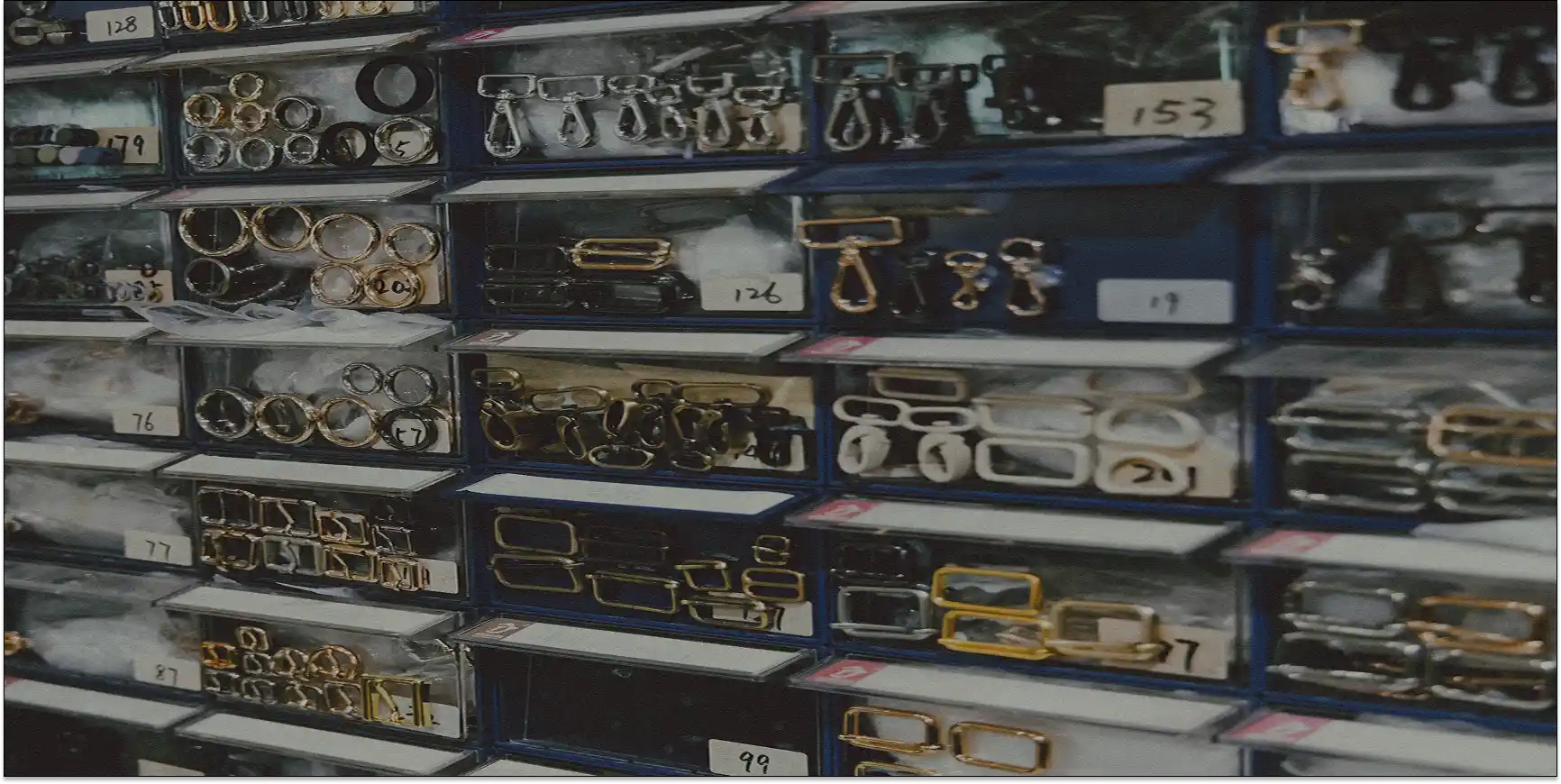
Summary answer: Salt spray testing (ASTM B117 / ISO 9227) is an accelerated corrosion method brands use to verify finishes on buckles, zippers, D‑rings and rivets; GF Bags helps OEM teams in cities such as London, Berlin and New York define hours and acceptance criteria based on use-case and material choice. Typical industry practice ties test hours (e.g., 24–240 h) to product risk and finish type, but final requirements should be set in contract and confirmed with pre‑production samples and a third‑party lab.
What is salt spray testing and why it matters for backpack hardware
Salt spray testing is an accelerated, laboratory corrosion test that exposes metal hardware samples to a controlled, corrosive fog to evaluate relative resistance of a metal/finish system. For backpack hardware (buckles, sliders, zipper pulls, D‑rings, rivets), the test helps brand and OEM teams:
- Compare finishes (zinc plating vs PVD vs stainless) under repeatable conditions.
- Set objective acceptance criteria for incoming hardware and pre-production samples.
- Reduce field failures for products sold into coastal or high-humidity markets such as Dubai or Sydney.
From a factory perspective at GF Bags, salt spray results are used to:
- select supplier finishes during sampling,
- update material specs on BOMs,
- and support 100% inspection procedures before shipment when required.
Note: salt spray testing provides comparative, not absolute, predictions of real-world life; complementary tests and field trials are often recommended.
Standards and test types: ASTM B117 vs ISO 9227, NSS, AASS, and CASS explained
Two widely referenced standards describe salt spray testing conditions:
- ASTM B117 defines the neutral salt spray (NSS) chamber and procedures commonly used in North America and by many test labs [S1].
- ISO 9227 provides the international framework and explicitly covers NSS plus acidic variants such as acetic acid salt spray (AASS) and copper‑accelerated acetic acid salt spray (CASS) used for particular plating systems and brass alloys [S2].
Common test types
- Neutral Salt Spray (NSS): 5% NaCl solution, pH ~6.5–7.2. Used for general corrosion resistance comparisons. [S1]
- Acetic Acid Salt Spray (AASS): adds acetic acid to lower pH; used for more aggressive evaluation of organic coatings/paints.
- Copper‑Accelerated Acetic Acid Salt Spray (CASS): used for assessing plated brass and decorative coatings where accelerated sulfidation or tarnishing is a concern.
For hardware in backpacks, OEMs often request NSS for zinc finishes and CASS for brass or decorative plated parts. Always reference the lab report to see which standard and chamber conditions were used.
Common acceptance criteria used by brands for buckles, zippers, D-rings and rivets
Acceptance criteria vary by brand risk tolerance, market, and component function. From GF Bags' manufacturing experience, brands commonly specify:
- No red rust (iron oxide) for structural steel parts within the test period.
- No blistering or coating loss exceeding X mm (brands define X).
- No functional failure (e.g., snap/buckle breakage or zipper pull separation) after exposure and minimal manual operation cycles.
Typical example acceptance formats:
- Visual: “No red rust for 72 h NSS; no blisters >1 mm; no more than 2 pits/cm².”
- Functional: “Buckles must operate without binding after 240 h NSS and 50 actuation cycles.”
Because acceptance language varies, GF Bags recommends capturing both visual and functional criteria in the OEM QA checklist and on pre‑production sample approvals.
How material and finishing choices (stainless grades, zinc plating, PVD) affect test outcomes
Materials and finish selection strongly influence salt spray performance:
- Stainless steel 316 typically outperforms 304 in chloride environments (coastal markets) but is costlier.
- Zinc plating (standard electroplated) gives basic protection; the thickness and chromate passivation affect NSS hours to failure.
- Trivalent passivation (Cr3+) is often more environmentally compliant than hexavalent chromates and can perform differently in NSS or CASS.
- PVD coatings provide decorative wear resistance and can show good corrosion resistance if process parameters and base metal prep are controlled.
- Brass and decorative plating often require CASS testing due to susceptibility to dezincification or tarnish.
Practical factory note: achieving consistent test results requires tight control over supplier plating baths, thickness, and passivation steps. GF Bags coordinates material choices with suppliers and documents finish specs on the Raw Material sheets to reduce batch variation. See our Raw Material page for typical options.
Sample preparation and fixturing: what manufacturers and OEMs must provide
Proper sample preparation is critical for valid salt spray testing results. From our production floor experience, the following steps are recommended when sending hardware to a lab:
Step-by-step: preparing hardware samples
- Decide sample quantity: typically 5–10 pieces per finish and geometry.
- Include representative assemblies (e.g., buckle installed on strap) if testing joint areas or painted parts.
- Clean and label samples consistently (use non-corroding labels such as tags with wire).
- Record base material, plating thickness, passivation method, heat treatment status and supplier lot numbers.
- Submit a signed test request form specifying standard (ASTM B117 or ISO 9227), test type (NSS/AASS/CASS), test hours, and acceptance criteria.
- Pack fixtures to minimize contact points that could create galvanic couples; list fixture metal types in the report.
From the factory side, GF Bags can handle sample kitting, labeling and coordinate third‑party testing logistics through our Custom Service team.
Recommended testing matrix for backpacks by use-case (commuting, travel, outdoor)
Below is a guideline matrix often used to balance cost and risk. These are common practice ranges and should be confirmed with your brand QA.
| Use-case | Typical concern | Suggested test type | Typical hours (guideline) |
|---|---|---|---|
| Commuting (urban) | Occasional exposure to rain, sweat | NSS | 48–96 h [S1] |
| Travel (airports, mixed climates) | Frequent handling, luggage stowage | NSS ± functional cycles | 96–240 h |
| Outdoor (hiking, coastal) | High exposure to moisture, salt spray | NSS or CASS for brass parts; consider field testing | 240–1000 h |
| Coastal city markets (e.g., Dubai, Sydney) | Elevated chloride exposure | 240–500 h; consider higher grade stainless or PVD | 240–500 h |
Table notes:
- These hours are typical guidelines from manufacturing practice; individual brand requirements may differ.
- For decorative brass or nickel finishes, include CASS where tarnishing or dezincification is a concern. [S2]
Interpreting results and post-test inspections: what to look for (blistering, white rust, red rust)
When you receive a lab report, inspect both the numeric and visual findings:
- White rust: common with zinc-coated parts (zinc hydroxides) indicates sacrificial corrosion; appears as white powdery deposits.
- Red rust: iron/steel oxidation—usually considered a functional failure for load-bearing steel components.
- Blistering: under-film corrosion of a coating; size and frequency are often part of acceptance criteria.
- Pitting: localized corrosion that can lead to mechanical failure; measure pit density and diameter.
- Functional testing: operate buckles, zippers and moving parts after exposure to confirm no binding or breakage.
GF Bags performs incoming verification and 100% inspection before shipment and can retain test reports with batch records to support traceability. For more on our inspection workflow, see Quality Control.
Limitations of salt spray testing and how to complement it with real-world exposure tests
Limitations:
- Salt spray is accelerated and primarily comparative; it does not reliably simulate all environmental stresses (UV, mechanical abrasion, cyclic wet/dry).
- Different standards produce different failure modes; CASS is harsher for brass than NSS.
- Test outcomes depend on sample prep, fixture design, and lab calibration.
Complementary tests and approaches:
- Cyclic corrosion testing (CCT) for more realistic wet/dry cycles.
- UV and abrasion tests for coatings combined with salt exposure.
- Field exposure trials in representative markets (e.g., coastal test racks in Dubai or Sydney).
- Functional endurance cycles after corrosion exposure.
Factory perspective: we typically pair lab salt spray results with pre-production field samples and, when necessary, pilot production runs to validate long-run performance.
Specifying corrosion requirements in OEM/ODM contracts and pre-production samples
When drafting OEM specifications, include:
- Reference standard (ASTM B117 or ISO 9227) and variant (NSS/AASS/CASS).
- Exact test hours and defined acceptance criteria (visual and functional).
- Sample quantity and whether assemblies must be tested.
- Third‑party lab accreditation expectation (e.g., ISO/IEC 17025) if required by the brand.
- Remedial steps for failed lots (rework, supplier change, passivation re-do).
Practical advice from GF Bags: include a clause that test requirements may be refined after initial sampling and that final product acceptance is based on approved samples and datasheet sign-off.
How GF Bags can support hardware selection, sampling and coordination with testing labs
GF Bags offers end-to-end OEM/ODM coordination from design through production. Factory services relevant to corrosion testing include:
- recommending material and finish options based on market (link to Raw Material),
- preparing and shipping labeled sample kits,
- coordinating third‑party lab testing logistics and documentation via our Custom Service team (Custom Service),
- integrating acceptance criteria into pre‑production sample approval and our pre‑shipment checks (we perform 100% inspection before shipment where requested).
Contact our team to review your hardware drawings and to set a testing plan tailored to your target markets. Use our Contact Us page to start the conversation.
FAQ
What is the difference between ASTM B117 and ISO 9227 salt spray tests?
ASTM B117 and ISO 9227 both describe neutral salt spray (NSS) testing; ISO 9227 explicitly includes NSS plus acidic variants (AASS and CASS) and is the commonly cited international standard. The core difference is procedural nuances and regional preference; always reference which standard a lab used in its report [S1][S2].
How many hours of salt spray testing should I request for backpack buckles and zippers?
There is no single answer—common factory guidance is:
- 48–96 h for urban commuting hardware,
- 96–240 h for travel hardware,
- 240+ h for coastal/outdoor applications.
Finalize hours in the PO and confirm with pre‑production samples and a lab report.
Which metal finishes typically perform best in salt spray tests for bags?
High‑grade stainless steels (316) and well‑controlled PVD coatings often show strong performance. Zinc plating with robust trivalent passivation can be cost‑effective for many uses. Brass and decorative finishes may need CASS for meaningful assessment. Performance depends on plating thickness, passivation and base metal—specify these on your raw material sheet.
Can salt spray testing predict real-world corrosion performance for travel and outdoor backpacks?
Salt spray is an accelerated, comparative test and can indicate relative durability, but it does not fully predict combined effects such as UV, abrasion, or cyclical wet/dry exposure. Combining salt spray with cyclic corrosion or field exposure trials provides better real‑world correlation.
How should I prepare and label hardware samples for laboratory testing?
Provide 5–10 representative parts per finish, label with non‑corroding tags, submit material/finish datasheets, and include a signed test request with standard, test type and acceptance criteria. Avoid using carbon steel wires or clamps that introduce galvanic couples in the chamber.
Does GF Bags perform salt spray testing in-house or coordinate with third-party labs?
GF Bags coordinates with qualified third‑party testing labs and can manage sample preparation, shipping and documentation. Third‑party lab selection is preferred for impartial certification and traceability.
What acceptance criteria should brand owners set for rejected hardware after testing?
Common criteria include “no red rust,” limits on blistering diameter, maximum pit counts per area, and preserved function after actuation cycles. Specify numeric tolerances in the QA checklist and define rework or rejection steps.
How do coastal or high-humidity markets (e.g., Dubai or Sydney) affect required testing levels?
Coastal markets typically increase required hours or drive selection of higher‑grade materials (e.g., 316 stainless, thicker plating, PVD). Consider both lab testing (higher NSS/CASS hours) and field trials in representative locations.
When should passivation or additional coatings be specified to meet salt spray requirements?
If NSS/CASS tests indicate premature white or red rust, specify passivation (trivalent chromate or other) or alternative coatings (PVD, thicker plating). Require supplier documentation of plating thickness and passivation method on the raw material specification.
How to include salt spray test requirements in an OEM purchase order or QA checklist?
Include: standard and variant (ASTM B117 or ISO 9227; NSS/AASS/CASS), test hours, acceptance criteria (visual/functional), sample count, lab accreditation preference, and remediation steps for failed lots. Link these items to pre‑production sample sign-off.
Limitations and boundary statements
- Salt spray testing is an accelerated laboratory method intended for comparative evaluation; it does not guarantee service life in all real-world environments.
- Suggested hour ranges and acceptance examples in this article are typical manufacturing guidelines and should be confirmed contractually with approved samples and third‑party lab reports.
- Certification claims should be verified by documented third‑party certificates; GF Bags can assist with coordination but will not assert third‑party certifications on behalf of suppliers without verified documentation.
Sources
- Intertek: Salt Spray Testing (overview of ASTM B117) — https://www.intertek.com/environmental/salt-spray/ [S1]
- ISO: ISO 9227:2017 Corrosion tests in artificial atmospheres — Salt spray tests — https://www.iso.org/standard/63529.html [S2]
- Additional technical reading on CASS and AASS variants — https://www.astm.org/Standards/B117.htm
If you want GF Bags to review your hardware drawings, select finishes from our material options, or coordinate pre‑production testing, please reach out via our Contact Us page or discuss options through Custom Service. For more about material choices that affect corrosion resistance, see our Raw Material page.