 Skip to content
Summary answer: Developing a specialized carrying solution for two portable computers requires careful planning by buyer teams, focusing on user needs for protection, organization, and comfort. Key considerations include dedicated padded compartments, ergonomic design, durable materials, and robust quality control.
GFBags, an OEM/ODM backpack and soft bag manufacturer, offers expertise in custom design, rapid sampling, and scalable production to meet these specialized requirements for global brands in locations like Berlin, Germany, Amsterdam, Netherlands, and Sydney, Australia.
The modern professional or student often juggles multiple devices, making the ability to carry two portable computers a critical requirement for a growing segment of the market. For sourcing managers, procurement teams, and product developers, understanding the nuances of designing and manufacturing a dedicated two-laptops backpack is essential.
This isn't merely about adding an extra sleeve; it involves a holistic approach to protection, organization, ergonomics, and durability. The planning implications for buyer teams are significant, spanning from initial concept and material selection to quality assurance and supply chain management.
This guide explores these considerations from an OEM/ODM perspective, drawing on the practical experience of manufacturers like GFBags.
Understanding the Dual-Laptop User: Core Needs and Challenges for Product Development
The demand for a dual laptop compartment backpack stems directly from the evolving work and study landscape. Users frequently carry a personal device alongside a work or school unit, or perhaps a primary workstation and a lighter secondary device for specific tasks.
This user profile, often a professional, student, or digital nomad, faces distinct challenges that product development must address. For instance, a college student working full-time might need to carry a 16-inch school laptop and a separate work device, as highlighted in public discussions about carrying multiple computers.
Their core needs revolve around:
- Protection: Each portable computer requires robust padding and secure placement to prevent damage from impacts or scratches, especially when two devices are carried simultaneously. This often means separate, well-padded sleeves, not just a single, oversized compartment.
- Organization: Beyond the devices, these users typically carry chargers, cables, external mice, notebooks, and personal items. Effective organization, with dedicated pockets and compartments, prevents a chaotic interior and ensures quick access.
- Comfort: The combined weight of two portable computers and accessories can be substantial. An ergonomic laptop backpack design with comfortable shoulder straps, a padded back panel, and potentially a sternum strap or hip belt is crucial to distribute weight and reduce strain during prolonged wear.
- Accessibility: Users need to retrieve either device quickly without unpacking the entire bag. Thoughtful compartment placement and zipper design are key.
- Durability: Given the value of the contents, the carrying solution itself must be constructed from wear-resistant materials with strong stitching and reliable hardware.
For buyer teams, these needs translate into specific design criteria and manufacturing challenges. It's about creating a product that doesn't just hold two portable computers but enhances the user's daily experience, mitigating the risks and inconveniences associated with carrying multiple valuable devices. This requires a deep dive into use-case criteria and careful feature prioritization during the design phase.
Key Design Considerations for Two-Laptop Backpacks: A Manufacturer's Perspective
Designing a truly effective carrying solution for two portable computers goes beyond simply sizing up a standard model. From an OEM laptop backpack design standpoint, several critical elements must be addressed to ensure functionality, protection, and user satisfaction.
- Dedicated Device Compartments: The most fundamental aspect is providing two distinct, padded sleeves. These should ideally be:
- Individually Padded: Each sleeve needs its own high-density foam or EVA padding on all sides, including the bottom, to absorb shocks.
- Size-Specific: While some flexibility is good, designing for common portable computer sizes (e.g., 13-inch, 14-inch, 15.6-inch, 16-inch) ensures a snug fit without excessive movement. A buyer team might consider different models or adjustable sleeves for broader compatibility. For example, a professional carrying a 16-inch workstation and a smaller 13-inch tablet might require one fixed-size compartment and one adjustable sleeve.
- Accessible: Separate zippered access to each compartment can be a significant advantage, allowing quick retrieval of one device without disturbing the other.
- Suspended Bottom: A false bottom or suspended sleeve design keeps the device slightly off the base of the bag, providing extra protection against drops.
- Weight Distribution and Ergonomics: With two portable computers, weight becomes a paramount concern.
- Balanced Design: The bag's structure should distribute weight evenly across the user's back.
- Comfort Systems: Padded, adjustable shoulder straps, a breathable back panel (e.g., air mesh), and optionally a sternum strap and load lifters are essential for comfort, especially for travel laptop backpack manufacturer projects.
- Handle Strength: Top handles must be reinforced to withstand the increased load.
- Organization and Accessory Storage:
- Accessory Pockets: Dedicated pockets for chargers, power banks, mice, and cables prevent them from scratching the devices or creating bulk.
- Quick-Access Pockets: External pockets for essentials like water bottles, phones, and travel documents are highly valued.
- Main Compartment: A spacious main compartment for books, clothes, or other gear, separate from the device sections, maintains versatility.
- Security Features:
- Lockable Zippers: For valuable contents, lockable zippers on device compartments can deter opportunistic theft.
- Hidden Pockets: A discreet pocket for passports or wallets adds an extra layer of security.
These considerations are central to creating a truly functional and appealing product. GFBags works closely with product developers to refine these design elements, ensuring the final product aligns with the brand's vision and the end-user's expectations for laptop backpack features for professionals.
Material Selection and Sustainability for High-Performance Laptop Backpacks
The choice of materials is fundamental to the performance, durability, and aesthetic of a two-laptops backpack. For bulk laptop backpack sourcing, balancing cost, durability, and increasingly, sustainability, is a key challenge for procurement teams.
Core Material Considerations:
- Exterior Fabric:
- Nylon (e.g., Cordura, ballistic nylon): Known for its exceptional abrasion resistance, tear strength, and water repellency. Denier count (e.g., 600D, 1000D) indicates thickness and durability.
- Polyester: A more economical option, still durable and often treated for water resistance.
- Tarpaulin/TPU-coated fabrics: Offer superior water resistance, often used for bottom panels or specific compartments.
- Leather/PU Leather: For a more premium or business-oriented aesthetic, often combined with durable fabrics for structural integrity.
- Interior Lining:
- Ripstop Nylon/Polyester: Provides a smooth surface, prevents scratching, and adds an extra layer of protection.
- Soft Fleece/Microfiber: Ideal for device sleeves to prevent scratches.
- Padding:
- EVA Foam: Excellent for shock absorption in device compartments and back panels.
- PE Foam: Lighter, often used for general padding and structure.
- Hardware:
- Zippers: YKK or similar reputable brands are preferred for their durability and smooth operation, especially for frequently accessed compartments.
- Buckles/Adjusters: Duraflex, ITW Nexus, or strong plastic/metal alternatives ensure longevity.
Sustainable Laptop Backpack Materials:
The increasing focus on environmental responsibility means that sustainable laptop backpack materials are becoming a priority for global brands. GFBags supports brands in integrating these options where applicable:
- Recycled Polyester (rPET): Made from post-consumer plastic bottles, rPET offers similar performance to virgin polyester with a reduced environmental footprint.
- Recycled Nylon: Similar to rPET, recycled nylon offers a durable, sustainable alternative.
- Bluesign® Certified Fabrics: These fabrics are produced with minimal environmental impact, adhering to strict chemical and resource management standards.
- PFC-Free DWR Coatings: Durable Water Repellent (DWR) treatments without per- and poly-fluorinated chemicals reduce environmental contamination.
- Vegan Leather Alternatives: High-quality synthetic leathers that avoid animal products.
When selecting materials, buyer teams should consider the intended use, target price point, and brand values. GFBags' expertise in material sourcing allows for a wide range of options, ensuring that both performance and sustainability goals can be met.
The GFBags OEM/ODM Process: From Concept to Production for Dual-Laptop Solutions
As an OEM/ODM backpack and soft bag manufacturer, GFBags provides an end-to-end service for brands looking to develop specialized products like two-laptops backpacks. Our process is designed to be collaborative, efficient, and focused on delivering quality.
The GFBags OEM/ODM Workflow:
- Initial Consultation & Concept Development:
- Briefing: The buyer team (sourcing manager, product developer, ecommerce operator) shares their vision, target audience, key features, and specifications for the dual-laptop backpack. This includes desired device sizes, compartment needs, ergonomic requirements, and aesthetic preferences.
- Feasibility Assessment: Our design and engineering team reviews the concept, offering insights into material options, construction methods, and potential design optimizations.
- Initial Design Sketch/Renderings: Based on the brief, initial sketches or 2D/3D renderings are created for client review and feedback.
- Material Sourcing & Selection:
- Material Proposal: We propose suitable fabrics, hardware, and padding, including sustainable choices if desired. Samples of materials can be provided for approval.
- Costing: A preliminary cost estimate is provided based on the selected materials and design complexity.
- Rapid Sampling & Prototyping:
- Pattern Making: Our skilled pattern makers translate the approved design into precise patterns.
- Prototype Production: A physical sample is produced. GFBags is known for its 4-day rapid sampling capability, though the exact timeline depends on project complexity and material availability.
- Sample Review & Revision: The client reviews the prototype, provides feedback, and any necessary revisions are made until the sample meets all requirements. This stage is crucial for confirming fit, function, and aesthetics.
- Order Confirmation & Pre-Production:
- Final Quotation: Once the sample is approved, a final quotation is provided.
- Contract & Deposit: A production contract is signed, and a deposit is typically received.
- Material Procurement: All necessary raw materials are ordered and prepared for production.
- Mass Production:
- Cutting: Fabrics are precisely cut according to patterns.
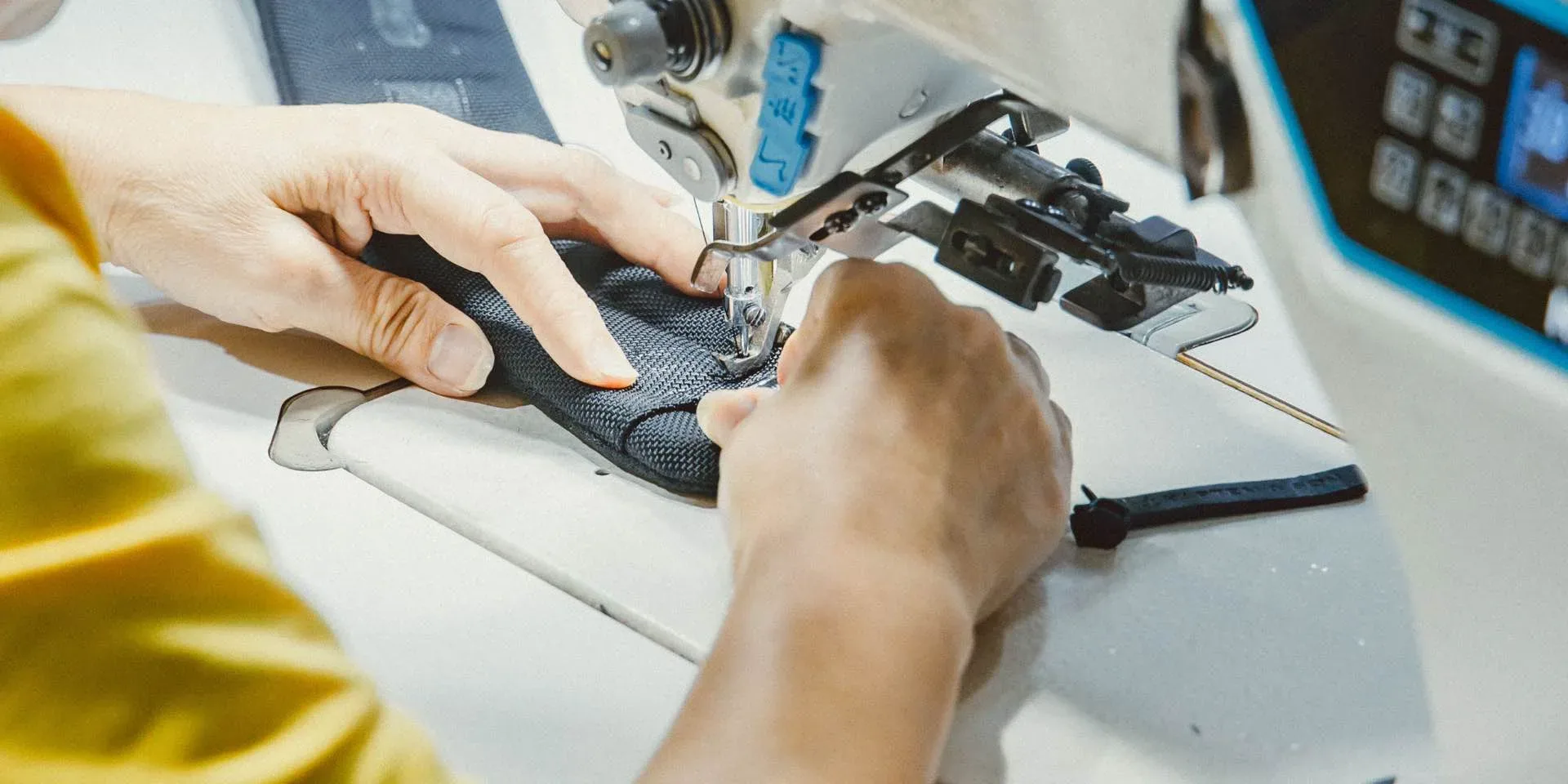
- Sewing & Assembly: Skilled workers assemble the backpack components using industrial sewing machines in our Shenzhen facility.
- Quality Control: Inline quality control checks are performed at various stages of production (see next section).
- Finishing: Details like branding, cleaning, and final inspections are completed. GFBags has an annual capacity of approximately 1,000,000 units, supporting scalable production to meet demand.
- Final Inspection & Shipment:
- Final Quality Audit: A comprehensive final inspection ensures all products meet the agreed-upon standards.
- Packaging: Backpacks are packed according to client specifications.
- Logistics & Delivery: GFBags assists with logistics, preparing goods for shipment to global destinations.
This structured approach, part of our custom service, ensures transparency and efficiency, allowing buyer teams to monitor progress and maintain control over their OEM laptop backpack design project.
Quality Control and Testing Protocols for Durable Laptop Backpacks
For products designed to protect valuable electronics, robust quality control (QC) and testing protocols are non-negotiable. GFBags implements a comprehensive quality control system, including ISO 9001 certification and amfori BSCI compliance, to ensure every two-laptops backpack meets stringent standards.
Key QC Checks Throughout Production:
| Stage of Production | Key Quality Control Checks | Purpose |
|---|
FAQ
What is the typical MOQ for custom two-laptop backpacks
It should be judged against the goal, available evidence, execution resources, and real feedback; when key information is missing, validate on a smaller scale before expanding the commitment.
How long does rapid sampling take for a custom laptop backpack design
It should be judged against the goal, available evidence, execution resources, and real feedback; when key information is missing, validate on a smaller scale before expanding the commitment.
What materials are recommended for durable and protective laptop compartments
It should be judged against the goal, available evidence, execution resources, and real feedback; when key information is missing, validate on a smaller scale before expanding the commitment.
Can GFBags incorporate sustainable materials into two-laptop backpack designs
It should be judged against the goal, available evidence, execution resources, and real feedback; when key information is missing, validate on a smaller scale before expanding the commitment.
What quality control measures are in place for laptop backpack production
It should be judged against the goal, available evidence, execution resources, and real feedback; when key information is missing, validate on a smaller scale before expanding the commitment.