Skip to content
Understanding Backpack Stitching Quality Control for OEM Sourcing
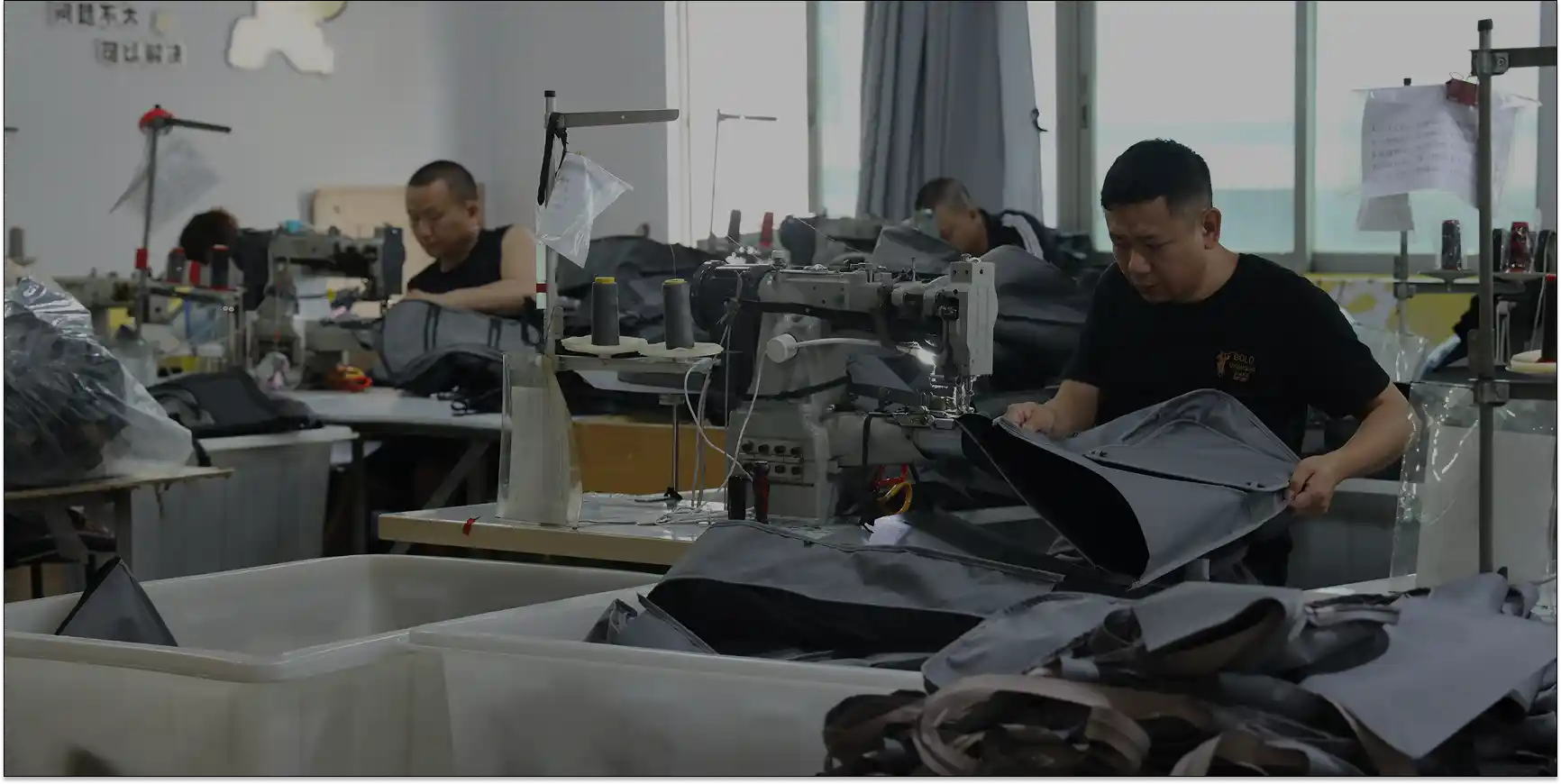
Summary answer: Ensuring precise stitching is critical for durable backpacks, especially when sourcing from a China backpack factory like GFBags for brands in Berlin, Germany | Amsterdam, Netherlands | Sydney, Australia. Proper seam construction, thread tension, and reinforcement techniques directly impact wear performance and customer satisfaction.
Why Stitching Quality Is the Foundation of a Durable Backpack
From a manufacturing standpoint, stitching is often the structural backbone of any backpack. In a production environment, factors like seam integrity, thread choice, and stitch density determine how the bag will handle daily stress, including heavy loads, outdoor conditions, and frequent handling. Even with high-quality materials, poorly executed stitching can lead to premature wear, fraying, or split seams.
In a factory producing for European and American brands, teams often prioritize:
- Controlled thread tension to prevent puckering or loose seams
- Reinforced stress points (like shoulder straps and zipper areas)
- Consistency in stitch length and alignment
These practices ensure backpacks maintain their form and function across multiple use scenarios.
Key Stitching Types Used in Backpack Manufacturing and When to Use Each
Different stitching methods address specific stress and aesthetic requirements:
| Stitch Type | Common Use Case | Notes for Durability |
|---|---|---|
| Lockstitch | General seams, panels | Strong, minimal unraveling |
| Chainstitch | Decorative or less load-bearing seams | Faster production but may require reinforcement |
| Bar Tack | High-stress points like strap joints | Provides localized strength to prevent seam failure |
| Zigzag stitch | Stretchable fabric panels | Allows fabric expansion without tearing |
Knowing when to use each stitch type can help brands evaluate an OEM bag manufacturer’s capabilities and ensure their products meet expected quality standards.
Critical Stitching Quality Control Checkpoints on the Production Line
A structured quality control inspection can identify stitching issues early. Key checkpoints include:
- Thread and Fabric Verification – Ensures material compatibility with load and wear expectations.
- Seam Strength Testing – Pull and tension tests to verify load-bearing capability.
- Visual Inspection – Detects skipped stitches, misalignment, or inconsistent stitch density.
- High-Stress Reinforcement Check – Confirms bar tack and lockstitch reinforcements are applied correctly.
- Final Quality Audit – Integrates all inspections before packing and shipping to brands.
This step-by-step approach supports quality control process documentation for OEM and custom backpack orders.
Common Stitching Defects That Cause Product Failures and Returns
Even small errors can lead to returns or warranty claims. Common defects include:
- Uneven or inconsistent stitch density (SPI)
- Loose or skipped stitches
- Fraying at seam edges due to insufficient finishing
- Weak bar tack reinforcements at load-bearing points
Addressing these defects early in production minimizes downstream costs and maintains brand reputation.
How to Evaluate a Backpack Manufacturer's Stitching Quality Control Process
When assessing a China backpack factory for OEM/ODM projects, consider:
- Documentation of seam strength tests and visual inspections
- Material and thread compatibility checks, including sustainable options [S1]
- Availability of detailed inspection reports and pre-shipment audits
- Experience in producing backpacks for European brand sourcing in Berlin, Germany | Amsterdam, Netherlands | Sydney, Australia
Custom specifications can often be incorporated through a custom backpack manufacturing service, allowing brands to define stitch types, reinforcement points, and quality checkpoints upfront.
What European and American Brands Should Specify Before Production Begins
Brands sourcing backpacks should provide clear instructions on:
- Required stitch density (SPI) for load-bearing seams
- Reinforcement methods for shoulder straps, zippers, and bottom panels
- Thread and fabric material preferences
- Inspection and testing documentation needs
Clarifying these expectations helps align the factory’s production workflow with brand quality standards. Brands can also reference raw material and thread selection to understand options that affect stitching performance.
FAQ
What is the recommended stitch density (stitches per inch) for a load-bearing backpack seam?
While it can vary by fabric type and load expectations, many load-bearing seams use 8–12 SPI as a practical range to maintain strength without compromising flexibility.
How does GFBags inspect stitching quality before shipment?
GFBags implements multi-stage inspections including thread tension checks, seam strength tests, visual assessments, and verification of bar tack reinforcements at stress points.
What reinforcement techniques are used at high-stress points like shoulder strap attachments?
Lockstitching, bar tacks, and occasionally zigzag stitching for stretchable panels are commonly applied to distribute stress and prevent seam failure.
Which stitching defects most commonly cause warranty claims or customer returns?
Skipped stitches, inconsistent stitch density, fraying, and weak reinforcements are leading contributors to functional failures that result in claims.
How can a brand sourcing from a China backpack factory verify stitching quality remotely?
Brands can request inspection photos, video walkthroughs, documented QC reports, and sample shipments for approval before mass production.
What materials affect stitching performance, and how does thread choice impact durability?
Thread composition, thickness, and compatibility with fabric type directly influence seam strength and longevity. Strong synthetic threads are often chosen for high-stress backpacks.
What documentation or quality reports should an OEM bag manufacturer provide regarding stitching inspection?
Reports typically include SPI measurements, tension tests, bar tack verification, and notes on any deviations or corrective actions, supporting traceable quality assurance.
Sources
Brands and backpack OEM buyers in Berlin, Germany | Amsterdam, Netherlands | Sydney, Australia who need to evaluate stitching quality for custom backpacks can contact GFBags to review detailed inspection procedures, discuss specifications, and request samples. Their factory’s experience with backpack and bag product range and structured quality checks can support informed sourcing decisions and reduce risks of returns or defects.