 Skip to content
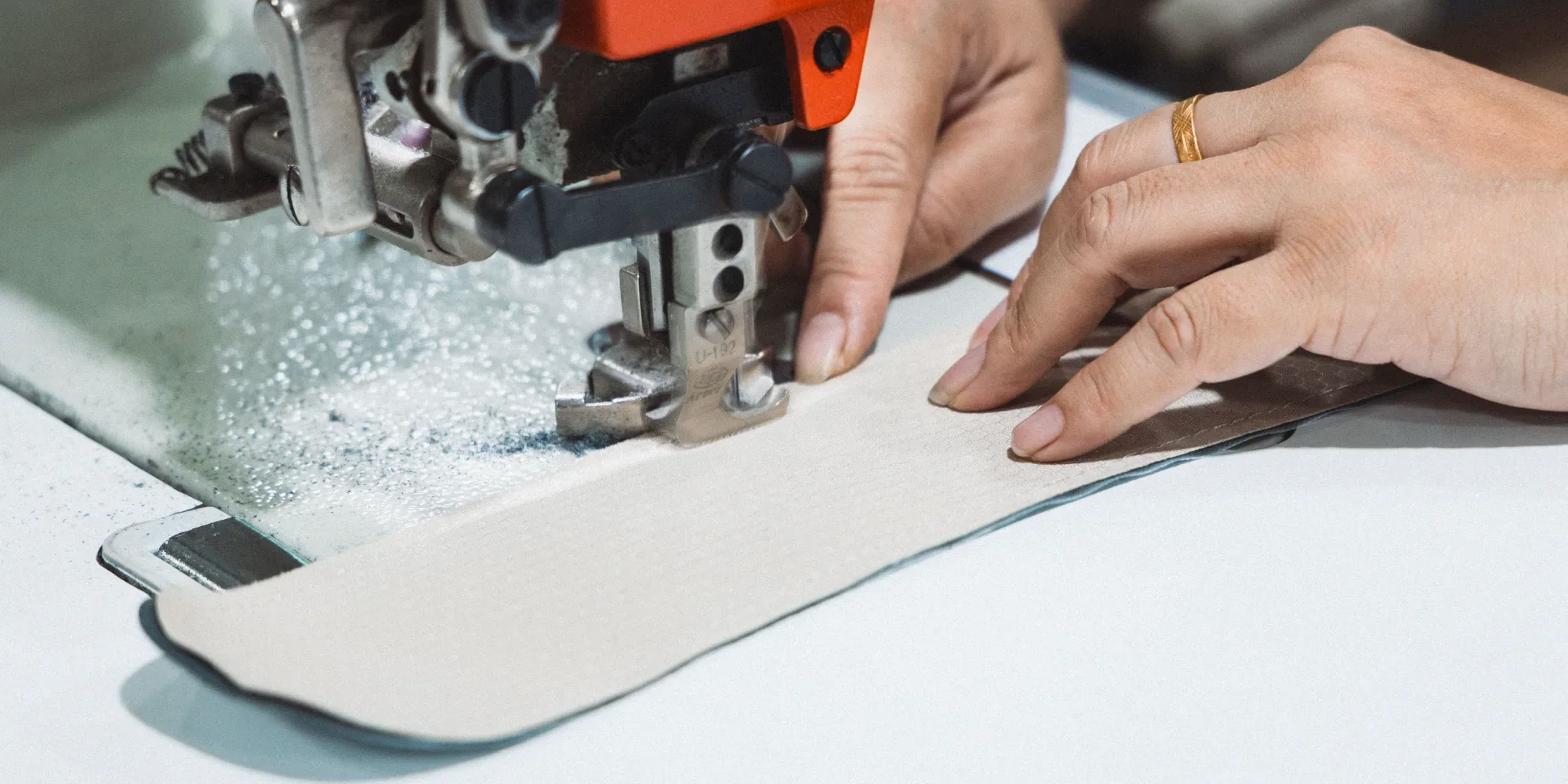
Summary answer: For brands in markets like Berlin, Germany, Amsterdam, Netherlands, or Sydney, Australia, understanding the critical distinction between waterproof vs water-resistant fabric for outdoor backpacks is essential for meeting consumer expectations. While water-resistant materials offer protection against light moisture, truly waterproof backpack fabric provides a complete barrier against water, typically through advanced coatings, laminations, and sealed seams.
GFBags, an OEM/ODM backpack manufacturer, guides brands through this OEM backpack material selection process to ensure their custom backpacks deliver the intended level of protection and durability.
When developing outdoor gear, particularly custom backpacks, the choice of material is paramount. The terms "waterproof" and "water-resistant" are often used interchangeably, but from a manufacturing and performance standpoint, they represent distinct levels of protection against moisture. This guide explores the technical differences, material science, and production considerations that define truly protective outdoor pack materials.
For product developers and procurement teams, especially those designing durable packs for diverse applications, from daily commuting to serious travel, making an informed material choice is crucial for product success and customer satisfaction.
Understanding the Core Difference: Waterproof vs. Water-Resistant
The fundamental difference between waterproof and water-resistant lies in the degree to which a material prevents water penetration under various conditions.
Water-resistant materials are engineered to repel water and resist penetration to a certain extent, typically against light rain or splashes. This characteristic is often achieved through a tight weave or a Durable Water Repellent (DWR) coating applied to the surface.
However, water-resistant backpack material will eventually become saturated and allow water to pass through if exposed to prolonged or heavy precipitation, or if subjected to significant pressure. Consider a daypack designed for urban use; it might handle a brief shower, but not a downpour.
Waterproof materials, conversely, establish a complete barrier against water ingress, preventing any moisture from passing through, even under significant pressure or extended exposure. Achieving true waterproofing involves more than just a surface treatment. It typically requires a non-porous membrane or a robust coating on the material's underside, critically combined with sealed seams to prevent water from entering through
stitching holes. A genuinely waterproof backpack is indispensable for activities where contents must remain absolutely dry, such as multi-day treks, kayaking, or travel in consistently wet climates.
The primary distinction, therefore, centers on the *integrity of the barrier*. Water-resistant options delay water penetration, while waterproof options prevent it entirely under specified conditions. This foundational understanding influences everything from material selection and manufacturing processes to the end-user experience of custom bags.
Key Fabric Technologies for Water Protection in Backpacks
Achieving effective water protection in various bags, including travel bags and outdoor packs, involves several specialized fabric technologies. Brands need to understand these options when collaborating with an OEM backpack manufacturer for their custom projects.
- Durable Water Repellent (DWR) Coatings: A DWR treatment is a chemical finish applied to the exterior surface of a textile. It causes water to bead up and roll off, preventing the outer layer from becoming saturated. While effective for initial water resistance, DWR coatings alone do not make a material fully waterproof, as water can still penetrate through the weave or seams under pressure. DWR treatments can diminish over time and may require reapplication.
- Polyurethane (PU) Coating: PU coating is a widely used method to enhance water resistance and achieve waterproofing. A layer of polyurethane is applied to the backside of the material, creating a non-porous barrier. The thickness of the PU coating directly correlates with the material's water protection level, measured in millimeters of water column (e.g., 1,500mm, 3,000mm, 10,000mm+). Materials with higher PU ratings are generally considered waterproof backpack fabric.
- Thermoplastic Polyurethane (TPU) Lamination: TPU lamination involves bonding a thin, flexible TPU film to the textile. This creates a strong, durable, and highly waterproof barrier that is often more flexible and resistant to abrasion compared to traditional PU coatings. TPU laminated materials are frequently utilized in high-performance outdoor gear and travel bags due to their superior waterproofing and resilience.
- Membranes (e.g., PTFE, ePTFE): Advanced waterproof materials often incorporate a microporous membrane, such as expanded polytetrafluoroethylene (ePTFE), which is laminated between outer fabric layers and an inner lining. These membranes feature pores small enough to block liquid water molecules but large enough to allow water vapor (perspiration) to escape, offering breathability in addition to waterproofing. While highly effective, these materials can be more costly.
- Seam Sealing: Even with the most protective material, a pack is not truly waterproof if its seams are not sealed. Stitching creates tiny holes that water can penetrate. Seam sealing involves applying a waterproof tape or liquid sealant over the stitched seams on the inside of the bag, creating an uninterrupted waterproof barrier. This is a critical step in manufacturing for any truly waterproof design.
- Water-Resistant Zippers: Standard zippers are common points of vulnerability for water ingress. Water-resistant zippers, often featuring a PU coating or a rubberized seal, help minimize water penetration. For maximum protection, fully waterproof zippers (e.g., YKK AquaGuard) are employed, though they can be stiffer and more expensive.
Common Materials and Their Water Protection Properties
The base material, combined with the chosen treatment or lamination, dictates the overall water protection. Here's an outdoor backpack material comparison for various options:
- Nylon: A very common and durable material for packs. Nylon is strong, abrasion-resistant, and relatively lightweight. When treated with PU coating or TPU lamination, nylon textiles can achieve excellent waterproofing. Ballistic nylon and Cordura nylon are particularly noted for their exceptional durability.
- Polyester: Similar to nylon in many aspects, polyester is often more UV-resistant, making it less prone to fading. It also accepts PU coatings well and can be made highly water-resistant or waterproof. Recycled polyester options are increasingly available for brands focused on sustainable fabric choices.
- Ripstop Materials: These textiles (often nylon or polyester) incorporate a special reinforcing technique that makes them resistant to tearing and ripping. Small squares are woven into the material, preventing minor tears from spreading. Combined with coatings, ripstop options offer a good balance of durability and water protection for custom backpacks.
- Tarpaulin (PVC or TPU coated): Tarpaulin is inherently waterproof due to its heavy PVC or TPU coating. It's extremely durable and often used for heavy-duty dry bags or the bottom panels of packs that will be frequently exposed to wet surfaces. However, it can be heavier and less flexible than other coated materials.
- X-Pac: A high-performance laminated material composed of multiple layers, including a durable face fabric, a reinforcing scrim, and a waterproof film. X-Pac is known for its exceptional strength-to-weight ratio, tear resistance, and complete waterproofing, making it a premium choice for technical outdoor gear.
When considering materials for custom bags, it's vital to assess the intended use case. A Laptop Bag for urban Commuting might require different water protection than a Travel Bag designed for wilderness expeditions.
Factors to Consider When Choosing Fabric for Outdoor Backpacks
Selecting the right material for outdoor packs involves balancing performance, durability, weight, cost, and aesthetic considerations. For brands in New York, United States, or Zurich, Switzerland, these factors directly impact market appeal and product success.
- Intended Use and Exposure Level:
- Light Rain/Splashes (Water-Resistant): For daily use, School backpacks, or casual travel where exposure to heavy rain is unlikely, a DWR-treated polyester or nylon might suffice.
- Moderate Rain/Snow (Highly Water-Resistant to Waterproof): For hiking, camping, or extended city travel, a PU-coated nylon or polyester with a water column rating of 1,500-3,000mm offers reliable protection.
- Heavy Rain/Submersion (Fully Waterproof): For extreme outdoor activities, kayaking, or situations where gear must remain absolutely dry, TPU laminated materials, X-Pac, or tarpaulin with fully sealed seams are necessary.
- Durability and Abrasion Resistance: Outdoor packs are subjected to wear and tear. Consider the denier (D) of the material – a higher denier generally indicates greater durability. For rugged use, look for options like Cordura or ballistic nylon.
- Weight: Lighter materials are preferred for ultralight backpacking or reducing overall product weight. However, lighter options can sometimes compromise durability or waterproofing levels.
- Breathability: While less critical for the main body of a pack, some advanced waterproof fabrics offer breathability, which can be a factor for certain components or if the bag is designed to carry items that need ventilation.
- Cost: Advanced waterproof fabrics and treatments typically come at a higher price point. Brands must balance desired performance with their target retail price.
- Aesthetics and Hand Feel: The look and feel of the material contribute to the perceived quality of the pack. Some coatings can make materials stiffer, while others maintain a softer drape.
- Sustainability: With growing consumer demand, many brands are seeking sustainable fabric options. This includes recycled polyesters, bluesign® approved fabrics, or DWR treatments that are free of harmful PFCs. GFBags offers support in sourcing these materials, aligning with a commitment to sustainable bag production. For more on material choices, see our Raw Material page.
The Manufacturing Perspective: Achieving Water Protection in Production
As an OEM/ODM backpack manufacturer, GFBags understands that selecting the right material is only half the battle. Effective manufacturing processes are crucial to ensure that the final product lives up to its waterproof or water-resistant claims. This involves precise cutting, stitching, and critical post-assembly treatments, forming a core part of our OEM backpack material selection expertise.
Here’s a comparison of materials and treatments from a production standpoint, highlighting key considerations for bag material sourcing China:
| Material/Treatment | Water Protection Level | Key Manufacturing Considerations | Typical Use Cases |
|---|---|---|---|
| DWR Coating | Water-Resistant | Applied to outer fabric; requires consistent application for even coverage. Can be reapplied by end-user. | Casual daypacks, light travel bags, school backpacks |
| PU Coating | Water-Resistant to Waterproof | Applied to inner fabric; thickness determines water column rating. Requires careful drying to prevent delamination. | General outdoor backpacks, Laptop Bags, duffels |
| TPU Lamination | Waterproof | Laminated film to fabric; requires specialized machinery for bonding. Generally more durable than PU. | High-performance outdoor backpacks, dry bags, technical travel bags |
| Seam Sealing | Critical for Waterproof | Requires specialized hot-air taping machines or liquid sealants. Precision is key to prevent leaks. | All truly waterproof bags, rain covers, tent components |
| Water-Resistant Zippers | Enhanced Water-Resistance | Requires careful integration into bag design. May be stiffer than standard zippers. | Pockets on outdoor backpacks, main compartments of travel bags |
| Fabric Selection (e.g., Nylon, Polyester, X-Pac) | Base Protection (before treatment) | Denier, weave, and inherent properties affect durability and how well coatings adhere. | Varies by specific fabric and treatment |
For brands in London, United Kingdom, or Copenhagen, Denmark, working with an experienced OEM backpack manufacturer like GFBags means benefiting from established processes that address these complexities. From initial design to final production, our team ensures that the chosen materials are correctly processed and assembled to deliver the desired level of water protection. Our custom service focuses on end-to-end development, ensuring every detail is considered.
Quality Control and Testing for Water-Protective Backpacks
Ensuring the water protection claims of custom backpacks requires rigorous quality control and testing throughout the manufacturing process. GFBags, as an ISO 9001 and amfori BSCI compliant facility, integrates comprehensive checks from material sourcing to final inspection. Our quality control procedures are designed to verify performance and durability.
Here’s a step-by-step overview of water resistance testing commonly applied to backpack materials and finished products:
Step-by-Step: Water Resistance Testing
- Fabric Hydrostatic Head Test (Water Column Test):
- Purpose: Measures the material's resistance to water penetration under pressure.
- Process: A material sample is clamped under a column of water. The height of the water column is gradually increased until water penetrates the material.
- Result: Measured in millimeters (mm). A material with a 3,000mm rating can withstand a 3-meter column of water before leaking. Generally, 1,500mm is considered water-resistant, and 10,000mm+ is considered highly waterproof for outdoor gear.
- Spray Test (DWR Effectiveness):
- Purpose: Evaluates the effectiveness of the DWR coating on the material surface.
- Process: A controlled amount of water is sprayed onto the material sample from a specific height and angle.
- Result: The material's ability to shed water is visually graded (e.g., AATCC Test Method 22). Water beading indicates good DWR performance.
- Rain Tower/Shower Test (Finished Product):
- Purpose: Simulates real-world rain conditions on a finished backpack.
- Process: The empty or weighted backpack is placed in a controlled rain chamber, subjected to simulated rain for a set duration and intensity.
- Result: After the test, the interior of the backpack is checked for any water ingress. This test helps identify weaknesses in seams, zippers, or construction.
- Seam Leakage Test:
- Purpose: Specifically checks the integrity of sealed seams.
- Process: A section of a seam is isolated and subjected to water pressure or a direct stream of water.
- Result: Visual inspection confirms if the seam sealing effectively prevents water penetration.
- Abrasion Testing:
- Purpose: Assesses how well the material and its coatings withstand wear and tear, as abrasion can compromise water protection.
- Process: Material samples are subjected to rubbing against an abrasive surface under controlled conditions (e.g., Martindale abrasion test).
- Result: Measured in cycles, indicating durability.
These tests, combined with our 2-year warranty, provide confidence in the performance of the backpacks and soft bags we manufacture. For global brands, particularly those in markets like Berlin, Germany, or Amsterdam, Netherlands, this level of scrutiny is vital for product reliability.
GFBags' Expertise in Sourcing and Manufacturing Water-Protective Backpacks
Since 2001, GFBags, legally Shenzhen Gaofeng Bags Co., Ltd., has been a trusted OEM/ODM backpack manufacturer, specializing in custom backpacks and soft bags for global brands. Our two decades of experience in Shenzhen provide us with an in-depth understanding of material sourcing, fabric technology, and efficient production processes for water-protective outdoor gear. We are adept at navigating the complexities of waterproof vs water-resistant fabric for outdoor backpacks.
We work with brands to navigate the complexities of material selection, offering a wide range of options from standard PU-coated polyesters to advanced TPU laminated fabrics and sustainable fabric choices. Our expertise ensures that whether you need a water-resistant Laptop Bag for daily office commutes or a fully waterproof Travel Bag for rugged adventures, the final product meets your exact specifications and performance requirements.
Our capabilities include:
- Expert Material Sourcing: Leveraging our network in China, we source high-quality, durable backpack fabrics, including options with various waterproof and water-resistant treatments. We also support brands looking for sustainable materials. This forms a crucial part of our bag material sourcing China strategy.
- Rapid Sampling: Our efficient product development process allows for 4-day rapid sampling, helping brands quickly iterate and approve designs.
- Advanced Manufacturing Techniques: We employ precise cutting, stitching, and seam-sealing technologies to ensure the integrity of water-protective designs.
- Rigorous Quality Control: Adhering to ISO 9001 standards, our comprehensive quality control process includes material inspection, in-line production checks, and final product testing, including water resistance evaluations.
- Scalable Production: With an annual capacity of approximately 1,000,000 units and a MOQ guidance of 300 pieces per model and color, we can support both emerging brands and established global players.
From concept to completion, GFBags acts as a strategic partner, ensuring that your custom backpacks not only look good but also perform reliably in the field.
Making the Right Choice for Your Brand's Outdoor Backpacks
The choice between waterproof vs water-resistant fabric for outdoor backpacks is a critical one that impacts product performance, customer satisfaction, and brand reputation. It's not merely a semantic difference but a functional one, dictated by material science, manufacturing precision, and intended use. For brands operating in diverse markets, from Sydney, Australia, to New York, United States, understanding these nuances is key to successful product development.
By carefully considering the level of water protection required, the specific fabric technologies, and the manufacturing processes involved, brands can confidently develop packs that meet their target audience's needs. Partnering with an experienced OEM backpack manufacturer like GFBags provides access to the expertise, resources, and quality assurance necessary to bring high-performance custom bags to market.
Whether you're developing durable Backpacks for outdoor enthusiasts, protective Laptop Bags for professionals, or versatile Travel Bags for adventurers, making an informed decision on water protection will set your products apart.
FAQ
What is the primary difference between waterproof and water-resistant fabrics for backpacks?
The primary difference is the degree of water protection. Water-resistant materials repel light moisture and delay water penetration but will eventually soak through. Waterproof materials, through specialized coatings, laminations, and sealed seams, create a complete barrier against water ingress, preventing any water from passing through even under pressure or prolonged exposure.
Are there specific certifications for waterproof backpack materials?
While there isn't one universal certification for "waterproof materials," specific tests and standards are used to quantify water protection. The most common is the Hydrostatic Head Test, which measures a material's water column rating in millimeters (e.g., 3,000mm, 10,000mm). Some materials may also carry certifications related to their manufacturing process or chemical composition, such as bluesign® for sustainable textiles, or specific DWR treatments.
How does GFBags ensure the water protection quality of its custom backpacks?
GFBags ensures water protection quality through a multi-stage process. This includes careful raw material sourcing of pre-tested fabrics, precise manufacturing techniques like seam sealing, and rigorous quality control testing. We conduct fabric hydrostatic head tests and finished product rain tower tests to verify performance. Our facility operates under ISO 9001 quality management standards and is amfori BSCI compliant.
What are common materials used for waterproof outdoor backpacks?
Common materials for waterproof outdoor backpacks include PU-coated or TPU-laminated nylon and polyester fabrics. High-performance options like X-Pac, which is a multi-layered laminated fabric, are also used. For heavy-duty applications, PVC or TPU-coated tarpaulin is often utilized.
Can water-resistant backpacks become fully waterproof with additional treatments?
While a water-resistant backpack can have its protection enhanced with additional DWR sprays or seam sealants applied by the end-user, it generally cannot become "fully waterproof" to the same standard as a backpack manufactured with inherently waterproof materials and factory-sealed seams. Achieving true waterproofing requires integrated design and manufacturing processes that are difficult to replicate post-production.
What is the typical lead time for sampling custom waterproof backpacks?
GFBags offers 4-day rapid sampling for custom backpacks, though the exact timeline can depend on the complexity of the design, material availability, and project confirmation. For specific project timelines, it's best to contact GFBags directly.
What is the minimum order quantity (MOQ) for custom backpacks with water protection?
GFBags' MOQ guidance for custom backpacks, including those with water protection features, is typically 300 pieces per model and color. This allows brands to develop specialized products without requiring excessively large initial orders.
Does GFBags offer sustainable fabric options for water-protective backpacks?
Yes, GFBags is committed to supporting sustainable bag production and offers various sustainable fabric choices for water-protective backpacks. These can include recycled polyesters, bluesign® approved fabrics, and DWR treatments free of harmful PFCs. Brands interested in these options can discuss them during the material sourcing phase of their project. You can learn more on our Sustainability page.