 Skip to content
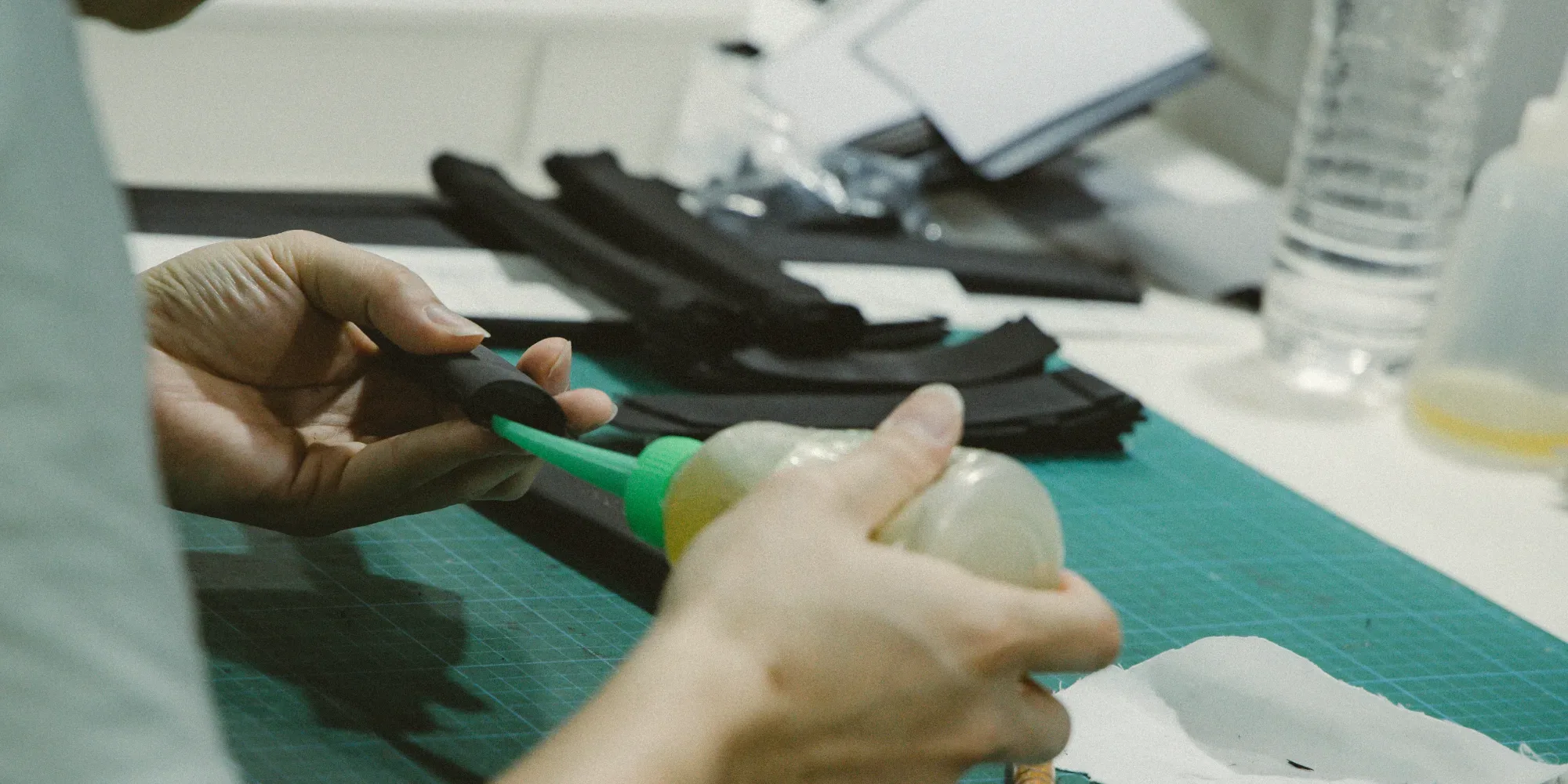
Summary answer: Realizing "My beautiful backpack build: supplier selection criteria and tradeoffs" involves carefully selecting a manufacturing partner with proven OEM/ODM capabilities, efficient sampling, and robust quality control. Brands, including those in Berlin, Germany, Amsterdam, Netherlands, or Sydney, Australia, must navigate the inherent tradeoffs between cost, quality, and lead time.
A strategic partner like GFBags, a Shenzhen-based OEM/ODM backpack and soft bag manufacturer, can help achieve both design integrity and commercial viability for custom backpack manufacturing.
Bringing a new backpack design to market is a multifaceted endeavor, extending far beyond initial sketches. For product developers, sourcing managers, and brand owners, the vision of a truly "beautiful backpack build" encompasses not only aesthetics but also durability, functionality, cost-effectiveness, and scalability.
The core challenge lies in identifying a manufacturing partner capable of translating this design vision into a tangible product while expertly managing the inevitable tradeoffs in production. This demands a comprehensive understanding of supplier capabilities, material science, and the complexities of the global supply chain.
Understanding the 'Beautiful Backpack Build' Vision: From Concept to Commercial Reality
The journey of "My beautiful backpack build" typically begins with a distinct aesthetic or functional aspiration. Whether it's a sleek, minimalist design for urban commuters, a rugged and modular pack for outdoor enthusiasts, or an ergonomically advanced solution for students, transforming this initial concept into a commercially viable product requires a structured approach. This involves detailed product development, meticulous material selection, and a manufacturing process designed to consistently deliver on quality and design intent.
For brands, the ultimate objective is to create a product that resonates deeply with their target audience, stands out in a competitive marketplace, and maintains healthy profitability. This necessitates a careful consideration of every component, from the stitching and zippers to the fabric choices and internal organization.
A truly remarkable product is one where form and function merge seamlessly, and the item performs reliably over its lifespan. This foundational understanding is crucial for effectively evaluating potential manufacturing partners who can bring that vision to fruition.
Key Supplier Selection Criteria for Your Custom Backpack Project
Selecting the right OEM backpack supplier is critical for the success of your custom backpack project. It's more than just finding a factory; it's about forging a partnership with an entity that understands your brand's values and can contribute expertise across the entire product lifecycle. Here are essential criteria to consider:
- Proven OEM/ODM Capability: A manufacturer with a strong track record in both Original Equipment Manufacturing (OEM) and Original Design Manufacturing (ODM) is invaluable. An OEM partner can produce your designs to precise specifications, while an ODM partner offers valuable design support and product development expertise, helping refine your concept or suggest innovative directions. GFBags, for instance, has operated as an OEM/ODM backpack and soft bag manufacturer since 2001, demonstrating extensive experience in both models.
- Experience and Specialization: Does the manufacturer specialize in the specific type of bags you require? A generalist might lack the nuanced understanding necessary for specialized items like camera bags or tactical backpacks. GFBags focuses on custom backpack and soft bag manufacturing, encompassing a diverse range including travel bags, laptop bags, and school backpacks.
- Rapid Sampling and Prototyping: The ability to quickly produce samples is paramount for iterating on designs and making timely decisions. A manufacturer offering rapid sampling, such as GFBags' stated 4-day rapid sampling capability, can significantly accelerate your product development timeline. This efficiency allows for quicker design validation and material testing before committing to mass production.
- Quality Control and Assurance: A robust quality control process is non-negotiable. Inquire about their quality management systems, such as ISO 9001, and their inspection protocols at various production stages. Understanding their approach to defect management and consistency is vital for your "beautiful backpack build." You can learn more about GFBags' approach to quality by visiting their Quality Control page.
- Backpack Material Sourcing Expertise: A proficient supplier will have established relationships with material vendors and can advise on suitable options, including sustainable choices. Their capability to source specific fabrics, hardware, and components directly impacts the final product's quality and cost. For insight into available options, explore GFBags' Raw Material section.
- Production Capacity and Scalability: Ensure the manufacturer can meet your volume requirements, both for initial orders and potential repeat business. GFBags, for instance, has an annual capacity of approximately 1,000,000 units, indicating substantial scalability for B2B backpack production.
- Minimum Order Quantity (MOQ) Flexibility: Understand their MOQ guidelines. While some manufacturers demand very large orders, others, like GFBags, offer more accessible MOQs, with guidance of 300 pieces per model and color. This is particularly important for smaller brands or new product launches, offering flexibility for private label backpack manufacturing.
- Communication and Transparency: Effective communication is paramount, especially when collaborating across different time zones. A responsive and transparent partner helps prevent misunderstandings and keeps your project on track.
Navigating Tradeoffs: Balancing Cost, Quality, and Lead Time in Backpack Manufacturing
The pursuit of "My beautiful backpack build" invariably involves navigating a delicate balance between cost, quality, and lead time. These three factors are often interdependent, and optimizing one typically necessitates tradeoffs with the others.
- Cost Drivers: The cost of custom backpack manufacturing is influenced by several factors:
- Material Selection: Premium fabrics, specialized hardware (such as YKK zippers or Duraflex buckles), and sustainable materials often command a higher price point.
- Design Complexity: Intricate designs featuring multiple compartments, specialized stitching, or unique features demand more labor and specialized tooling, increasing overall costs.
- Order Volume (MOQ Planning): Larger orders generally benefit from economies of scale, reducing the per-unit cost. A lower MOQ, like the 300 pieces per model and color offered by GFBags, might entail a slightly higher per-unit cost compared to orders of thousands, but it provides crucial flexibility for brands.
- Labor Costs: While Shenzhen offers competitive manufacturing, highly skilled labor for complex tasks still contributes to the overall cost.
- Shipping and Logistics: Freight costs, customs duties, and local delivery can significantly impact the final landed cost.
- Quotation Boundaries and Margin Risk: Brands require clear quotation boundaries from their supplier to accurately calculate their own margin risk. A detailed quote should itemize material costs, labor, overhead, and any tooling charges, enabling transparent financial planning.
- Quality Considerations: Quality encompasses durability, functionality, and aesthetic finish. Achieving high quality often means:
- Investing in Superior Materials: Utilizing abrasion-resistant fabrics, robust zippers, and reinforced stitching.
- Rigorous Quality Control for Bags: Implementing thorough inspections at every stage, from incoming materials to final packaging.
- Skilled Craftsmanship: Employing experienced workers who pay meticulous attention to detail.
While cutting corners on quality might reduce immediate costs, it can lead to higher warranty claims, negative brand perception, and ultimately, greater long-term expenses. GFBags offers a 2-year warranty, reflecting confidence in their manufacturing quality.
- Lead Time Pressures: Lead time refers to the duration from order confirmation to product delivery.
- Sampling Phase: As noted, rapid sampling (e.g., GFBags' 4-day process) can significantly shorten initial development.
- Production Schedule: The actual manufacturing time depends on factory capacity, order size, and material availability.
- Shipping Time: Ocean freight can take weeks, while air freight is faster but considerably more expensive.
Brands frequently face pressure to launch products quickly to capitalize on market trends. However, rushing production can compromise quality or increase costs due to expedited shipping. A reliable manufacturer will provide realistic lead time estimates and communicate any potential delays proactively.
The key is to clearly define your brand's priorities. If premium quality is paramount, be prepared for potentially higher costs or longer lead times. If speed to market is critical, you might need to simplify designs or accept slightly higher production costs. An experienced OEM/ODM partner can help you understand these tradeoffs and make informed decisions that align with your brand's strategic goals.
The Critical Role of Material Sourcing and Sustainability in Your Backpack Build
The selection of materials is fundamental to the functionality, durability, and aesthetic appeal of any custom backpack. It also plays a pivotal role in a brand's commitment to sustainability.
Backpack Material Sourcing: Beyond the Basics
Effective material sourcing extends beyond simply choosing a fabric. It involves understanding the performance characteristics of different textiles, hardware, and components, and how they interact to create a cohesive product.
- Fabrics: Common choices include nylon (e.g., Cordura for exceptional durability), polyester (often recycled for sustainable backpack options), canvas, and ripstop materials. Each offers varying levels of water resistance, abrasion resistance, weight, and tactile feel.
- Hardware: Zippers (YKK is a widely recognized benchmark for quality), buckles, D-rings, and adjusters contribute significantly to a backpack's functionality and longevity. The quality of these components can critically impact the user experience.
- Linings and Padding: Internal linings protect contents and add to the bag's structure, while padding in straps and back panels enhances user comfort.
- Webbing and Straps: The strength and weave of webbing are crucial for load-bearing capabilities and overall durability.
A skilled manufacturer like GFBags possesses established networks for material sourcing, ensuring access to a wide array of options and the ability to procure specific components that align with your design vision and performance requirements.
Embracing Sustainable Backpack Options in Production
For many contemporary brands, sustainability is no longer an afterthought but a core value. Integrating sustainable practices into "My beautiful backpack build" can differentiate your brand and appeal to environmentally conscious consumers.
- Recycled Materials: Utilizing recycled polyester (rPET) derived from plastic bottles or recycled nylon can significantly reduce environmental impact.
- Bluesign® or GRS Certified Fabrics: Sourcing fabrics that meet recognized environmental and social standards ensures responsible production.
- Dyeing Processes: Exploring water-saving dyeing techniques or solution-dyed fabrics can reduce water consumption and pollution.
- Durability and Longevity: Designing for inherent durability promotes sustainability by extending the product's lifespan, thereby reducing the need for frequent replacements.
- Packaging: Considering eco-friendly packaging options, such as recycled or biodegradable materials, further enhances your sustainable footprint.
GFBags supports sustainable bag production and can accommodate requests for recycled fabric bags and other sustainable material choices where applicable. Discussing your sustainability goals early in the ODM backpack development process allows the manufacturer to explore viable options and provide guidance on material selection that aligns with your brand's values.
Quality Control and Assurance: Ensuring Your Backpack Meets Global Standards (Table: QC Checklist)
A truly "beautiful backpack build" is fundamentally a quality build. Without stringent quality control for bags, even the most innovative design can fall short. A reliable manufacturer implements a comprehensive quality control process that spans the entire production cycle, from raw material inspection to final product verification.
GFBags emphasizes a quality-control and testing narrative across material selection, production, and final inspection. This multi-stage approach is critical for identifying and rectifying issues before they escalate, ensuring that the final product meets both the brand's specifications and global standards.
QC Checklist for Backpack Manufacturing
| Stage of Production | Key QC Checks | Purpose |
|---|---|---|
| Incoming Materials | – Fabric weight, color, weave consistency | Ensure materials match specifications and samples. |
| – Hardware functionality (zippers, buckles) | Verify components are defect-free and operate correctly. | |
| – Material certifications (e.g., GRS, Bluesign) | Confirm adherence to sustainability or performance standards. | |
| Pre-Production | – Pattern accuracy and cutting precision | Prevent errors in shape and size before assembly. |
| – Initial sample review and approval | Confirm design, materials, and workmanship before mass production. | |
| In-Process Production | – Stitching quality and seam integrity | Ensure durability and prevent unraveling. |
| – Component attachment (straps, handles, pockets) | Verify secure and correct placement of all parts. | |
| – Logo application and branding consistency | Check for correct placement, color, and clarity of branding. | |
| – Dimension and weight checks | Confirm product adheres to specified size and weight. | |
| Final Inspection | – Overall appearance and finish | Identify any visible defects, loose threads, or stains. |
| – Functionality of all features (zippers, compartments) | Ensure all elements work as intended. | |
| – Packaging and labeling accuracy | Verify correct product count, labels, and protective packaging. | |
| – Drop tests, load tests (for specific products) | Assess durability and performance under intended use conditions. |
Adhering to an ISO 9001 quality management system, as GFBags does, provides a structured framework for these checks, ensuring consistency and continuous improvement. Furthermore, credentials like amfori BSCI indicate a commitment to ethical sourcing and responsible business practices, which are increasingly important for global brands.
Streamlining the Production Process: Sampling, MOQs, and Scalability (Step-by-Step: Rapid Sampling Process)
An efficient production process is the backbone of a successful "beautiful backpack build." It involves meticulous planning, clear communication, and the ability to scale operations as needed for effective B2B backpack production.
Rapid Sampling Process: A Step-by-Step Guide
The sampling phase is where your design takes its first physical form. A streamlined process is crucial for efficiency and accuracy in custom backpack manufacturing.
- Design Submission: Provide your manufacturer with detailed design files, including technical drawings, material specifications, color codes (Pantone), and any specific hardware requirements.
- Quotation and Confirmation: The manufacturer reviews your design, provides a detailed quotation, and confirms the scope of work for sampling.
- Pattern Making: Skilled pattern makers translate your 2D design into 3D patterns, which are then used to cut fabric.
- Material Procurement for Sample: The manufacturer sources the specified materials, or suitable alternatives for prototyping if exact materials are not immediately available.
- Sample Production: The sample room team assembles the prototype according to the patterns and specifications.
- Internal QC and Review: The sample undergoes internal quality checks to ensure it meets initial design intent.
- Sample Delivery: The completed sample is shipped to you for review and feedback. GFBags aims for a 4-day rapid sampling process, which can significantly accelerate this stage.
- Feedback and Revision: You provide detailed feedback, and any necessary revisions are communicated back to the manufacturer for further sample iterations if required.
MOQs and Scalability
Understanding Minimum Order Quantities (MOQs) is vital for budget and inventory planning. GFBags offers MOQ guidance of 300 pieces per model and color, which can be advantageous for brands looking to test new designs or manage inventory more tightly. This flexibility allows brands to launch new products without committing to excessively large initial orders, supporting private label backpack manufacturing.
Beyond the initial MOQ, consider the manufacturer's ability to scale. Can they handle repeat orders that might be significantly larger? A manufacturer with an annual capacity of approximately 1,000,000 units, like GFBags, demonstrates the capability to support growing brands and consistent demand. This scalability is a key factor in building a long-term, reliable supply chain.
Building Long-Term Partnerships: Why a Reliable Manufacturer Matters
The relationship with your backpack manufacturer should extend beyond a single transaction. Building a long-term partnership with a reliable OEM backpack supplier is a strategic asset that can yield significant benefits for your brand.
A consistent partner understands your brand's evolving needs, design language, and quality expectations. This institutional knowledge streamlines future projects, reduces communication overhead, and fosters a collaborative environment for innovation. When you work with a manufacturer like GFBags, who has been in the industry since 2001 and serves 150+ global brand customers, you benefit from their accumulated expertise and commitment to sustained relationships.
Key advantages of a long-term partnership include:
- Consistency in Quality: A familiar production team and established processes lead to more consistent product quality over time.
- Improved Efficiency: With each successive order, the manufacturer becomes more attuned to your specific requirements, leading to faster turnaround times and fewer errors.
- Cost Optimization: Long-term partners may offer more favorable pricing structures or work with you to find cost-saving solutions without compromising quality.
- Collaborative Innovation: A trusted partner can become an extension of your product development team, offering insights into new materials, manufacturing techniques, and design improvements.
- Reliable Support: In the event of unforeseen challenges or market shifts, a strong partnership ensures you have a responsive and supportive manufacturing ally.
Global Reach and Local Support: Partnering with a Shenzhen-Based Manufacturer for Your Brand
For global brands, the geographic location of your manufacturing partner is a strategic consideration. Shenzhen, China, has long been a hub for manufacturing, particularly for electronics and soft goods, due to its robust supply chain infrastructure, skilled workforce, and efficient logistics. Partnering with a Shenzhen-based OEM/ODM manufacturer like GFBags offers distinct advantages for brands operating in diverse markets, from Berlin, Germany, to Amsterdam, Netherlands, and Sydney, Australia.
- Access to a Mature Supply Chain: Shenzhen provides unparalleled access to a vast network of material suppliers, component manufacturers, and specialized services, enabling efficient backpack material sourcing and competitive pricing.
- Manufacturing Expertise: The region boasts a highly experienced workforce and advanced manufacturing capabilities, honed over decades of serving international brands.
- Logistical Efficiency: Proximity to major ports and international airports facilitates efficient shipping to global destinations, reducing transit times and costs.
- Scalable Production: Manufacturers in Shenzhen are equipped to handle a wide range of production volumes, from moderate MOQs to large-scale orders, supporting brands at various stages of growth.
- Responsive Communication: Reputable manufacturers like GFBags are accustomed to working with international clients, offering responsive communication and a clear understanding of global business practices.
Whether your brand is based in New York, United States, or looking to expand its presence in markets like London, United Kingdom, or Zurich, Switzerland, leveraging the manufacturing prowess of a Shenzhen-based partner can be a significant competitive advantage.
GFBags provides end-to-end solutions, combining rapid sampling, rigorous quality control, and scalable production to meet the diverse requirements of global brands, helping to bring your "beautiful backpack build" to life and deliver it to your target markets efficiently.
FAQ
What is the typical MOQ for custom backpack manufacturing?
The typical Minimum Order Quantity (MOQ) for custom backpack manufacturing can vary significantly by manufacturer and design complexity. However, GFBags offers a flexible MOQ guidance of 300 pieces per model and color, making custom production accessible for a wider range of brands and projects.
How long does rapid sampling usually take for a custom backpack design?
Rapid sampling times depend on the complexity of the design and the availability of materials. GFBags states a capability for 4-day rapid sampling, which can significantly expedite the product development phase for custom backpack designs. This allows brands to quickly review prototypes and provide feedback.
What are the most common materials used in durable backpack production?
Common materials for durable backpack production include various types of nylon (e.g., Cordura for high abrasion resistance), polyester (often recycled for sustainable options), and canvas. High-quality hardware like YKK zippers and robust buckles are also critical for durability. The specific choice depends on the intended use, desired aesthetics, and performance requirements of the backpack.
How can I ensure quality control throughout the backpack manufacturing process?
Ensuring quality control for bags involves a multi-stage approach. This includes rigorous inspection of incoming raw materials, in-process checks during cutting and sewing, and a comprehensive final inspection of finished products. Partnering with a manufacturer that adheres to quality management systems like ISO 9001 and conducts third-party audits (e.g., amfori BSCI) provides a structured framework for quality assurance. GFBags details its quality control process on its website.
What are the advantages of partnering with an OEM/ODM manufacturer in Shenzhen, China?
Partnering with an OEM/ODM manufacturer in Shenzhen, China, offers several advantages, including access to a mature and efficient supply chain, competitive pricing, a highly skilled workforce, and robust logistical infrastructure. Shenzhen's manufacturing ecosystem supports rapid prototyping, scalable production, and efficient global shipping, making it an attractive location for brands seeking custom backpack and soft bag manufacturing.
Can GFBags accommodate sustainable material requests for custom backpacks?
Yes, GFBags supports sustainable bag production and can accommodate requests for sustainable material choices where applicable, including recycled fabric bags. Brands interested in incorporating eco-friendly materials into their custom backpacks are encouraged to discuss these requirements early in the product development process. You can explore more on their Sustainability page.
What kind of warranty can I expect on custom manufactured backpacks?
GFBags provides a 2-year warranty on its custom manufactured backpacks, demonstrating confidence in the quality and durability of their products. Warranty terms typically cover manufacturing defects and material failures under normal use. Specific details can be confirmed during the quotation and contract stages.
How does GFBags support global brands in different regions like Berlin, Germany or Sydney, Australia?
GFBags supports global brands by offering end-to-end OEM/ODM manufacturing solutions from its base in Shenzhen, China. This includes product development, rapid sampling, scalable production, and robust quality control. Their experience serving over 150 global brand customers means they are accustomed to international logistics and communication, facilitating partnerships with brands in regions such as Berlin, Germany, Amsterdam, Netherlands, Sydney, Australia, New York, United States, and London, United Kingdom.